

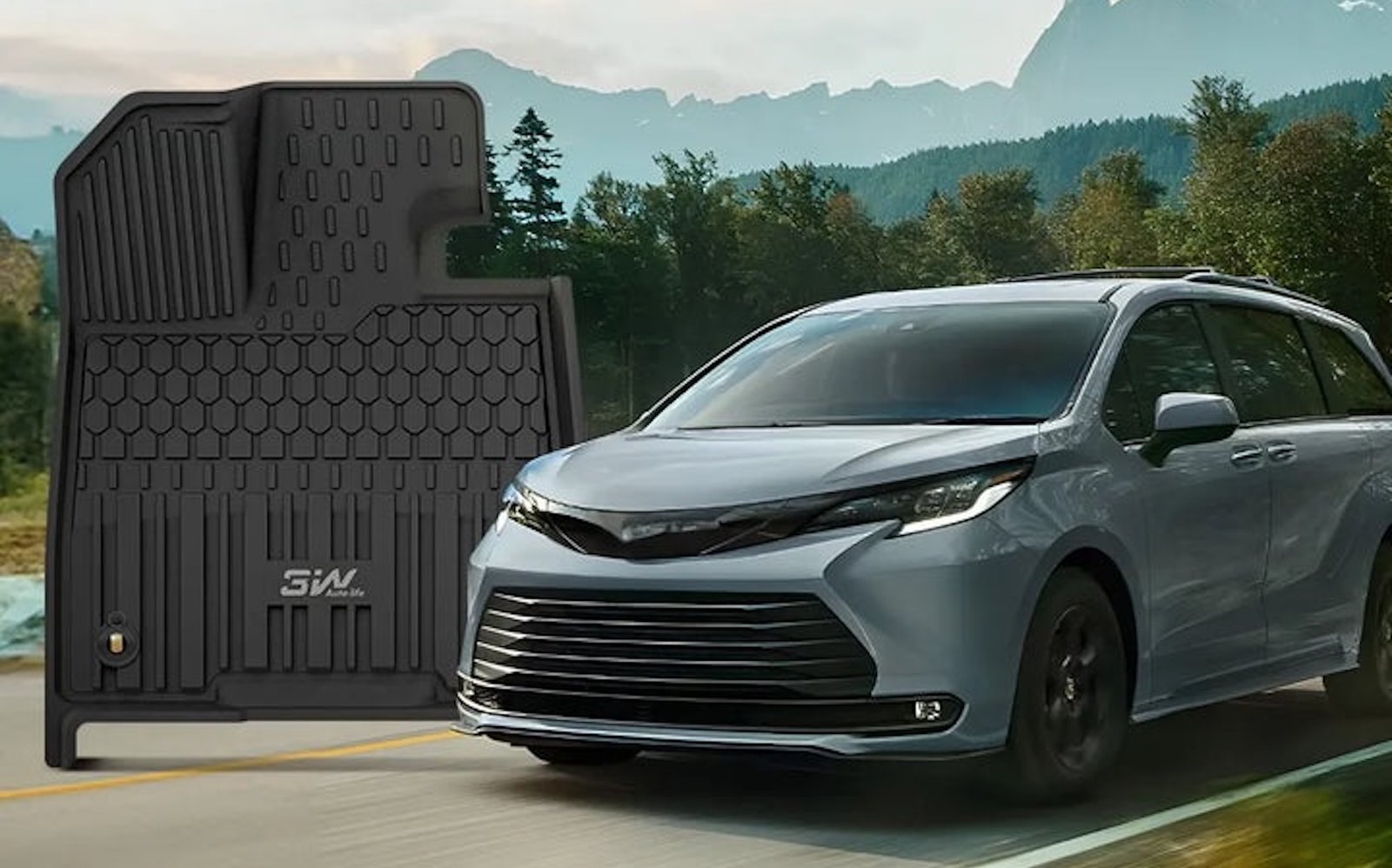
Vehicle interiors face constant exposure to dirt, moisture, and daily wear. Every time a driver or passenger enters the car, small particles from shoes, road dust, water, and debris are carried into the cabin. Over months and years, these materials can damage interior surfaces and make the cabin look older than it actually is.
Many drivers focus on exterior care, such as washing the body or polishing paint, yet interior protection plays an equally important role in maintaining a vehicle’s condition. One simple addition can help protect interior surfaces from daily exposure to dirt and moisture.
Protective floor mats act as a barrier between footwear and the vehicle’s built-in carpet. By capturing mud, water, and debris before they reach the interior surface, these accessories help maintain the condition of the vehicle cabin for a longer period.
Understanding how these protective layers work can help drivers maintain cleaner interiors and reduce long-term wear.
Why Vehicle Interiors Experience Constant Wear
The interior cabin of a vehicle is designed for comfort and usability, but it is also exposed to continuous contact with passengers and environmental materials. Dirt from parking areas, sand from roadsides, and water from rainy weather frequently enter the cabin through shoes.
Over time, these materials settle into the vehicle’s carpet. Fine particles can grind into the fibers whenever someone steps on the surface. This repeated pressure gradually weakens the carpet structure.
Moisture creates additional concerns. Water trapped inside the cabin can lead to unpleasant odors and encourage the growth of mold in humid environments. Snow and rainwater brought in during the winter months often remain inside the carpet fibers long after a drive has ended.
Without protection, these conditions slowly affect the appearance and durability of the vehicle’s interior surfaces.
How Interior Carpets Become Damaged
Vehicle carpet materials are designed to withstand normal foot traffic, yet they are not immune to long-term exposure to dirt and moisture. Several factors contribute to carpet wear over time.
Small stones or sand particles carried inside by shoes act like abrasive material. As passengers move their feet, these particles rub against the carpet fibers. This friction slowly weakens the fibers and causes the carpet to flatten.
Liquids create another problem. Rainwater, melted snow, or spilled drinks can soak into the carpet layer beneath the surface. If the moisture remains trapped for long periods, it may lead to stains or odors.
Repeated exposure to these conditions often causes interior surfaces to fade, lose texture, or develop permanent marks. Preventing these materials from reaching the carpet helps reduce these problems.
The Protective Role of Interior Liners
Protective liners placed on top of the vehicle’s interior carpet create a shield that captures dirt and moisture before they reach the surface beneath. Instead of grinding into the carpet fibers, debris remains on the removable liner.
This protective layer makes cleaning much easier. When dirt collects on the liner surface, the driver can simply remove it and shake out the debris. Mud or water can also be rinsed away without affecting the vehicle’s original interior surface.
Because the liner absorbs most of the contact from footwear, the carpet below experiences much less wear. This reduces the chance of long-term damage and keeps the cabin looking cleaner over time.
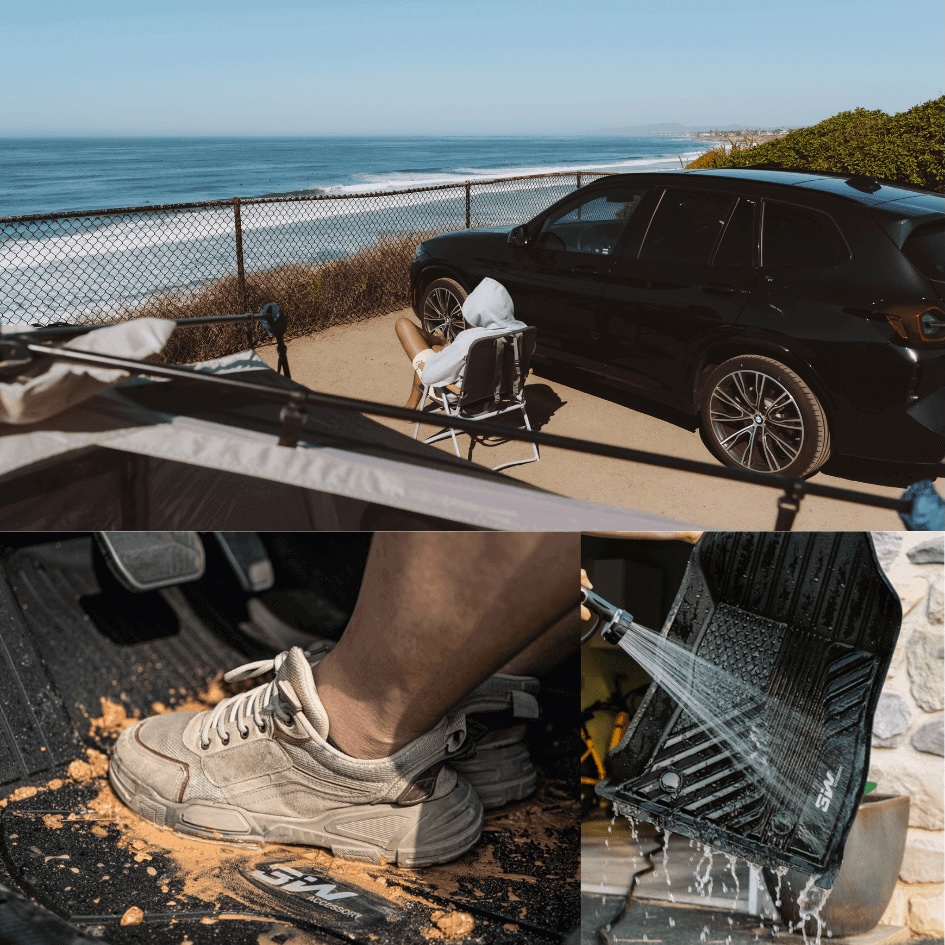
Protection Against Mud, Water, and Road Debris
Drivers often encounter changing weather and road conditions. Rainstorms, muddy construction areas, or snowy streets can quickly introduce moisture and debris into a vehicle.
Without protection, wet shoes transfer these materials directly onto the interior carpet. Mud may leave stains while water spreads across the surface. Repeated exposure makes cleaning more difficult.
Protective mats help contain these materials in one area. Raised edges on many designs help keep liquids from spreading across the vehicle floor. Dirt and moisture remain on the liner surface instead of reaching the carpet underneath.
By capturing these materials early, the interior surface remains cleaner even after driving through difficult weather conditions.
Reducing Long-Term Interior Maintenance
Interior cleaning becomes more demanding when dirt reaches the carpet fibers. Deep cleaning may require specialized equipment or professional services to remove embedded debris.
Using removable liners simplifies routine maintenance. Instead of scrubbing the interior carpet, drivers can remove the liner and clean it separately. This approach saves time and reduces the need for intensive interior cleaning procedures.
Drivers who maintain a consistent cleaning routine often find that the original interior surface remains in better condition for longer periods.
Maintaining Cabin Appearance Over Time
The condition of a vehicle’s interior plays an important role in how the vehicle is perceived. Clean surfaces contribute to a comfortable driving environment and make the cabin feel well maintained.
When the interior carpet remains protected, it retains its original texture and color. Passengers entering the vehicle notice a cleaner and more organized cabin environment.
Regular use of floor mats helps reduce visible stains and wear marks that often develop on unprotected carpets. By preventing direct contact between footwear and interior surfaces, the cabin maintains a more consistent appearance over time.
Protection During Seasonal Driving Conditions
Seasonal weather changes can introduce different types of debris into a vehicle. During winter months, snow and road salt may attach to footwear. When passengers enter the car, these materials fall onto the interior surfaces.
In warmer seasons, dust and sand from outdoor areas often accumulate on shoes and enter the cabin in the same way. Each season brings its own challenges for maintaining interior cleanliness.
Protective liners help manage these seasonal conditions by collecting debris before it spreads across the vehicle floor. The ability to remove and clean the liner quickly allows drivers to handle changing weather conditions more easily.
Supporting Long-Term Vehicle Value
Vehicle condition plays a role in resale value. When potential buyers inspect a vehicle, they often pay close attention to interior surfaces. Stained or damaged carpet may create the impression that the vehicle received limited care.
Protecting the interior surface helps maintain a cleaner appearance that reflects consistent maintenance. A well-preserved cabin can contribute to stronger resale interest and a more positive impression during inspections.
Drivers who maintain interior surfaces from the beginning often avoid the need for costly interior restoration later.
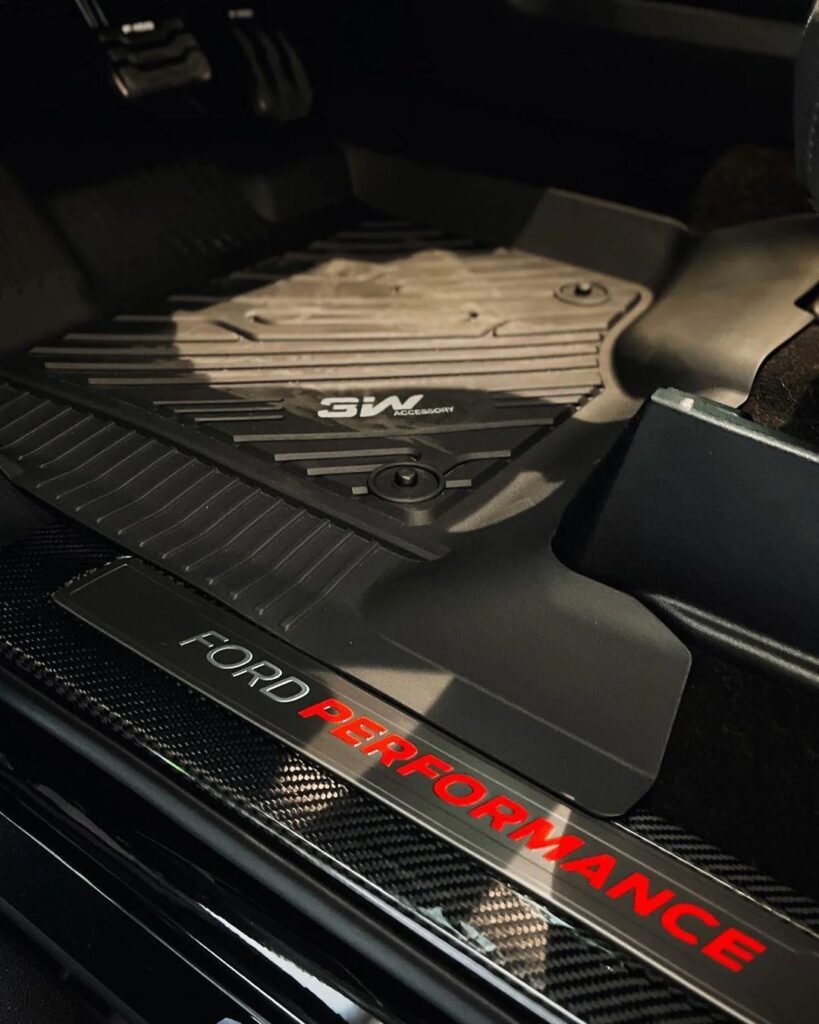
Simple Habits That Improve Interior Protection
Protective liners work best when combined with basic cleaning habits. Removing accumulated debris from the liner periodically prevents buildup and keeps the cabin environment fresh.
Drivers can also check the interior surface occasionally to confirm that moisture has not collected beneath the liner. This small step helps maintain airflow and prevents trapped water from affecting the carpet.
Regular attention to interior cleanliness helps maintain a comfortable driving environment while protecting vehicle materials from long-term wear.
A Practical Addition to Everyday Driving
Vehicles experience daily exposure to dirt, water, and debris carried in from outside environments. Over time, these materials can gradually affect the condition of interior surfaces.
Protective liners provide a simple method for reducing this exposure. By acting as a barrier between footwear and the vehicle’s built-in carpet, they help preserve the original condition of the cabin.
Drivers who add this type of protection often notice that their interior surfaces remain cleaner and easier to maintain throughout years of regular use.
FAQs
How do interior liners protect vehicle carpets?
They create a barrier that captures dirt, water, and debris before these materials reach the vehicle’s built-in carpet. This reduces wear and prevents stains from forming.
Are removable liners easy to clean?
Yes. Most designs can be removed from the vehicle and cleaned with water or by shaking out accumulated dirt.
Can protective mats prevent interior stains?
They reduce the chance of stains by preventing mud, water, and spilled liquids from soaking into the carpet fibers.
Do they help during rainy or snowy weather?
Yes. Moisture from wet shoes remains on the liner surface rather than spreading across the vehicle floor.
Do these accessories affect vehicle resale value?
Maintaining clean interior surfaces can contribute to a better impression during resale inspections, which may support stronger resale interest.
How often should drivers clean them?
Cleaning frequency depends on driving conditions, but many drivers remove and clean them every few weeks or after driving in muddy or wet environments.
