

Dash cameras have become a common tool for drivers who want a clear record of what happens on the road. Footage from these cameras can help explain accidents, document unusual driving situations, and provide useful details during insurance discussions. However, the usefulness of recorded footage depends greatly on camera placement.
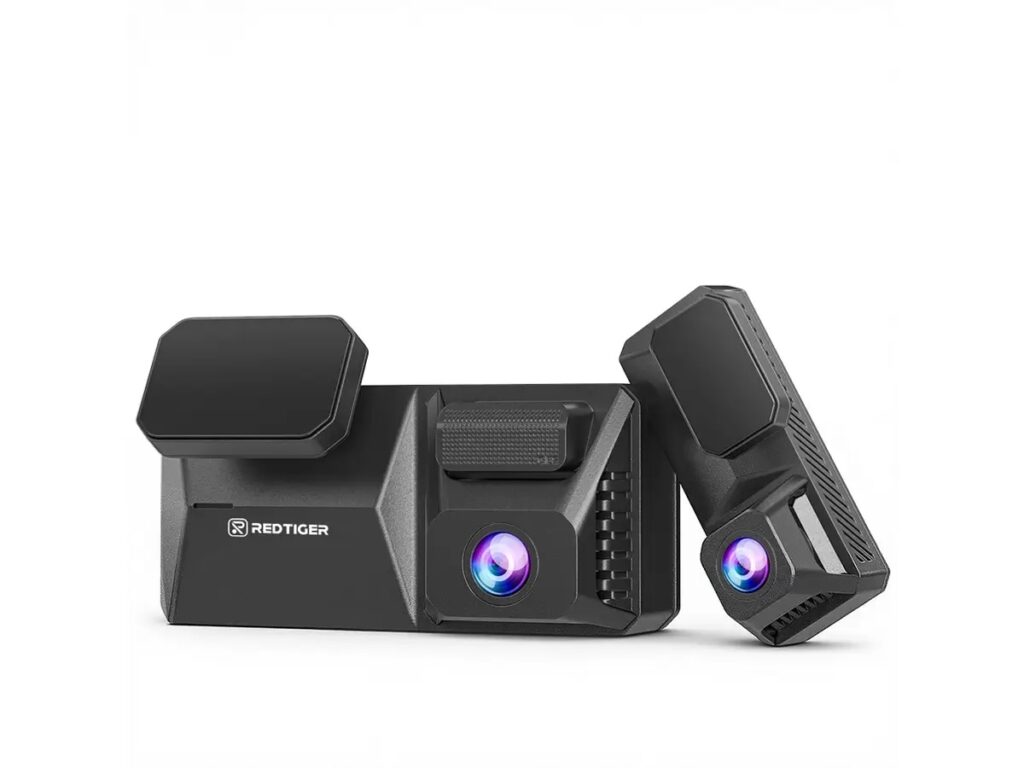
Many drivers install a dual dash cam to record both the road ahead and the area behind the vehicle. While the equipment itself plays an important role, the mounting position of each camera determines how much of the road is actually captured. A poorly positioned camera can miss important details, reduce image clarity, or leave large areas outside the recording frame.
Understanding where and how to mount each camera helps drivers record wider road coverage and more useful footage during everyday driving.
Why Camera Position Matters for Road Recording
Dash cameras work by capturing a fixed viewing area through a lens mounted inside the vehicle. Once installed, the camera continuously records whatever falls within that viewing angle. If the camera is mounted too high, too low, or at the wrong tilt, important areas of the road may remain outside the frame.
Drivers often assume that attaching a camera anywhere on the windshield will produce good results. In practice, even small changes in mounting height can alter what the camera sees. The road horizon, surrounding vehicles, traffic lights, and lane markings should all appear clearly in the recording.
A properly positioned camera captures the driving lane ahead while also recording activity in nearby lanes. This wider visual coverage helps create footage that explains the full sequence of events during sudden braking, lane changes, or unexpected road incidents.
Ideal Placement for the Front Camera
The front camera usually records the most important footage. For this reason, it should be placed in a position that provides a balanced view of the road while avoiding obstruction of the driver’s vision.
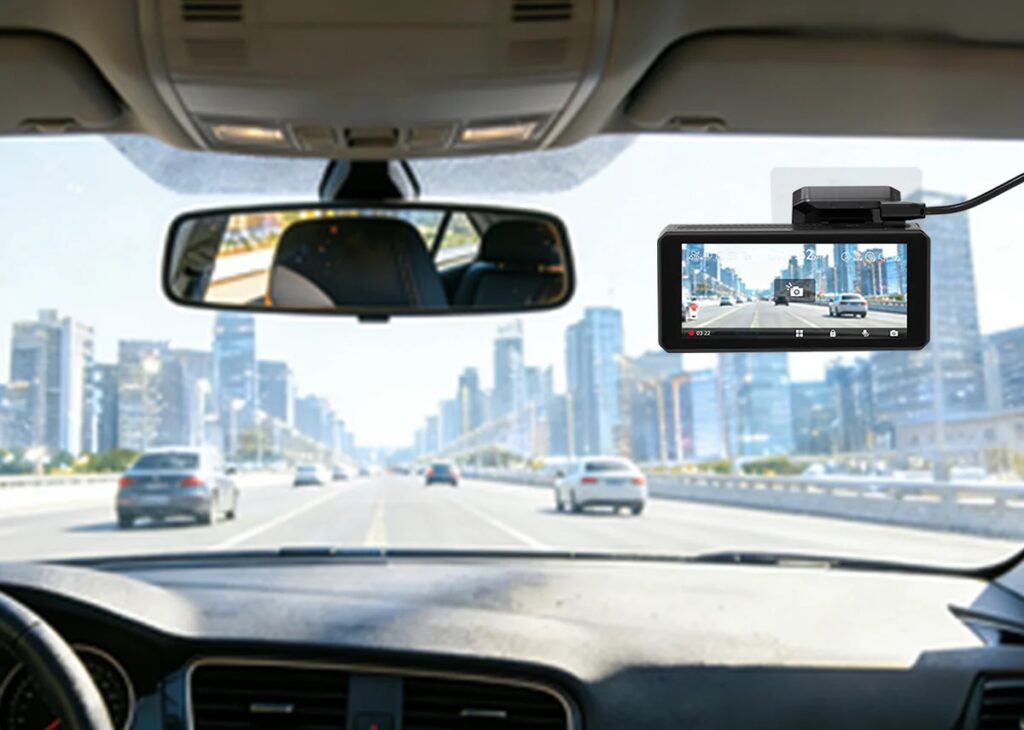
Most drivers mount the camera near the upper center portion of the windshield, just below the rearview mirror. This location offers several advantages:
- The camera remains hidden from the driver’s direct line of sight
- The lens captures the road directly ahead
- The windshield area provides a clear viewing path without interior reflections
Mounting the camera too low can cause the dashboard to occupy a large portion of the video frame. On the other hand, placing the camera too high may limit visibility of the road surface and nearby vehicles.
The correct position allows the camera to record both the traffic ahead and the surrounding lanes without blocking the driver’s view.
Adjusting the Viewing Angle for Better Coverage
Once the camera is mounted, the lens angle must be adjusted carefully. The camera should face slightly downward so the road appears clearly in the recording. However, too much downward tilt can reduce visibility of distant vehicles and traffic signals.
Drivers often check alignment by reviewing a short test recording. In a well-adjusted setup, the following elements should appear in the frame:
- the road directly ahead
- nearby lanes
- vehicles approaching from the front
- traffic lights and road signs
If the sky occupies too much of the frame, the camera angle is too high. If the dashboard takes up too much space, the camera angle is too low. Small adjustments usually correct the problem.
Rear Camera Position for Full Vehicle Coverage
A second camera records activity behind the vehicle. This helps document rear-end collisions, aggressive driving, or unusual events occurring behind the car.
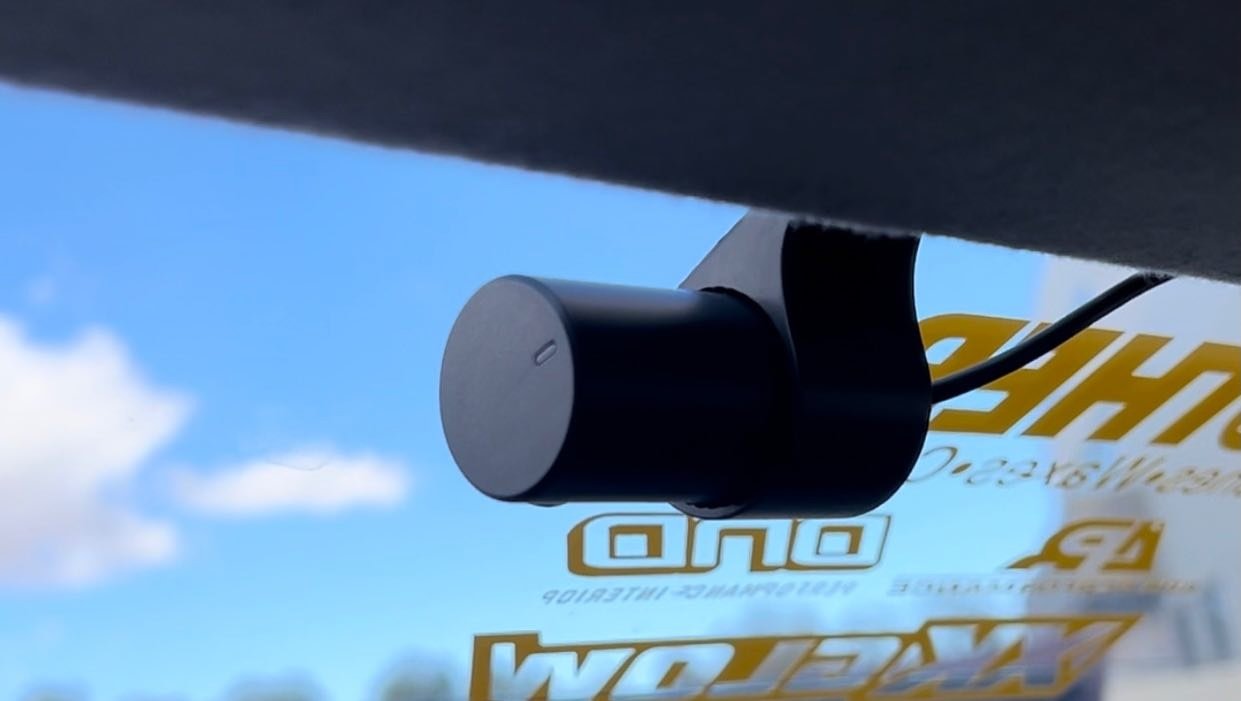
The rear unit is commonly mounted on the rear windshield facing outward. This position allows the camera to capture vehicles approaching from behind while also recording traffic during reversing or parking.
When installing the rear camera, drivers should consider the following points:
- The lens should face directly through the rear glass
- Window tint should not block the camera view
- The camera should remain centered for balanced coverage
A clean mounting surface helps the camera stay firmly attached while preventing vibrations that could affect video clarity.
Avoiding Common Mounting Mistakes
Many drivers install their dash cameras quickly without checking the recording quality afterward. This often leads to small issues that reduce the usefulness of the footage.
- One frequent mistake is mounting the camera too close to the edge of the windshield. This position may block part of the lens view or introduce glare from sunlight. A central location generally provides clearer footage.
- Another mistake involves improper cable routing. Loose wires hanging near the camera may distract the driver and interfere with safe operation. Running cables along the windshield edge or interior trim helps maintain a tidy installation.
Drivers should also avoid placing the camera behind tinted or shaded windshield areas. Dark tint strips at the top of the windshield can reduce video brightness, especially at night.
Checking Coverage Before Driving Regularly
After installation, it is important to test the recording area. A short drive around the neighborhood can reveal whether the camera captures the intended viewing range.
Drivers can review the recorded video and check for several details:
- lane visibility
- traffic signal clarity
- nearby vehicle positions
- overall road coverage
If certain areas of the road are missing from the recording, adjusting the camera angle slightly can improve the view.
This quick verification step helps avoid discovering poor camera placement only after an important event occurs.
Night Recording and Light Reflection
Dash cameras often record during low-light driving conditions. Poor camera placement may introduce reflections from the dashboard or windshield glass. These reflections can reduce image clarity.
Mounting the camera slightly closer to the windshield helps reduce reflections caused by interior lighting or dashboard surfaces. Keeping the windshield clean also improves nighttime recording.
Drivers should also check whether street lights, headlights, or interior lighting create glare in the video. Adjusting the camera position slightly may help reduce these effects.
Maintaining Clear Video Over Time
Even after proper installation, drivers should periodically verify the camera position. Vibration from daily driving or temperature changes may cause the mount to shift slightly.
A quick visual check every few weeks helps confirm that the camera remains properly aligned. Periodic review of recorded footage confirms that the road remains clearly visible.
Cleaning the windshield area in front of the lens prevents dust and dirt from reducing video clarity.
For drivers who rely on their camera recordings, these small checks help maintain consistent footage quality.
Why Proper Positioning Improves Recording Value
Recording devices can only capture what falls within their viewing range. If the camera misses important areas of the road, the recording may not provide enough detail to explain what happened during an incident.
A well-mounted dual dash cam records activity both ahead of the vehicle and behind it. This expanded coverage provides a clearer record of surrounding traffic conditions.
Proper placement also helps capture license plates, vehicle movements, and traffic signals more clearly. These details can be useful when reviewing events after unexpected road situations.
Drivers who spend time adjusting camera position often obtain more reliable footage compared with quick installations that overlook viewing angles.
FAQs
Where should the front dash camera be mounted?
The front camera is usually placed near the upper center of the windshield, just below the rearview mirror. This position records the road ahead while staying outside the driver’s main line of sight.
Can the rear camera be placed outside the vehicle?
Most rear cameras are designed for interior mounting on the rear windshield. Exterior placement may expose the device to weather and road debris unless the model is built for external use.
How wide should the camera viewing angle be?
Many dash cameras offer viewing angles between 140 and 170 degrees. This range allows the camera to record multiple lanes while maintaining clear image detail.
How can drivers check if the camera position is correct?
Recording a short test drive and reviewing the footage helps confirm that the road, nearby vehicles, and traffic signals appear clearly in the frame.
Does windshield tint affect recording quality?
Yes. Dark tint strips or heavily tinted glass may reduce brightness in recorded video. Mounting the camera below tinted areas usually improves clarity.
How often should camera alignment be checked?
Drivers often review camera alignment every few weeks or after long trips. This helps confirm the mount has not shifted due to vibration or temperature changes.
