


Samsung unveiled the Galaxy A57 and A37 mid-rangers this week and they will go on sale in early April. We will be doing full reviews on these two in due time, but we wanted to share our initial thoughts first.
The Galaxy A56 and A36 were very successful
In its report for Q2 last year, the IDC highlighted both the Galaxy A56 and A36 as key growth drivers for Samsung. The A56 was also the best-selling phone in Europe last year, beating out the iPhone 16. It didn’t do so well in the US, but that’s because Samsung bungled the launch – more on that in a bit. Also, in our Top 20 most popular phones of 2025, the Galaxy A56 was #2 in terms of user interest and the Galaxy A36 was #6.
Top smartphone brands in Europe for 2025
We start with these stats to answer the inevitable comments of “who even buys these phones?” Apparently, plenty of people do. That said, we can understand how the A-series phones do little to entice enthusiasts. But this isn’t about the A56 and the A36, it’s about their successors.
The Galaxy A57 slims down
Samsung is still chasing slimmer phones – we saw it with the S26 Ultra and now with the Samsung Galaxy A57. It measures 6.9mm thick, down from 7.4mm for its predecessor. It is also 19g lighter, weighing 179g. Additionally, the 6.7” display is surrounded by slimmer bezels and the phone is 0.7mm shorter and narrower than the A56.
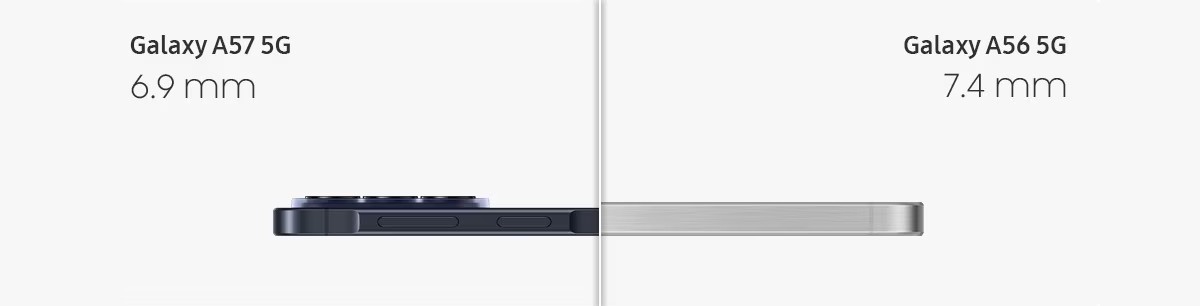
The Galaxy A57 is thinner and lighter than its predecessor
This makes this mid-ranger feel more premium. The translucent camera island is also a fun design element. The overall design hasn’t changed much over the years, but we like what Samsung has done with the A57 while keeping it a neutral phone that will appeal to the average Joe and Jane.
Samsung also upgraded the water protection level to IP68, up from IP67. Officially, this means that the phone can be submerged to 1.5m of water for 30 minutes, compared to 1m like its predecessor. We don’t think it makes much of a difference in practice – have you ever submerged your phone under more than 1m of water? – but that IP67 rating was starting to look a little embarrassing when other brands have IP69 rated mid-rangers. Anyway, it’s good to see Gorilla Glass Victus+ make a return to protect the front and back.
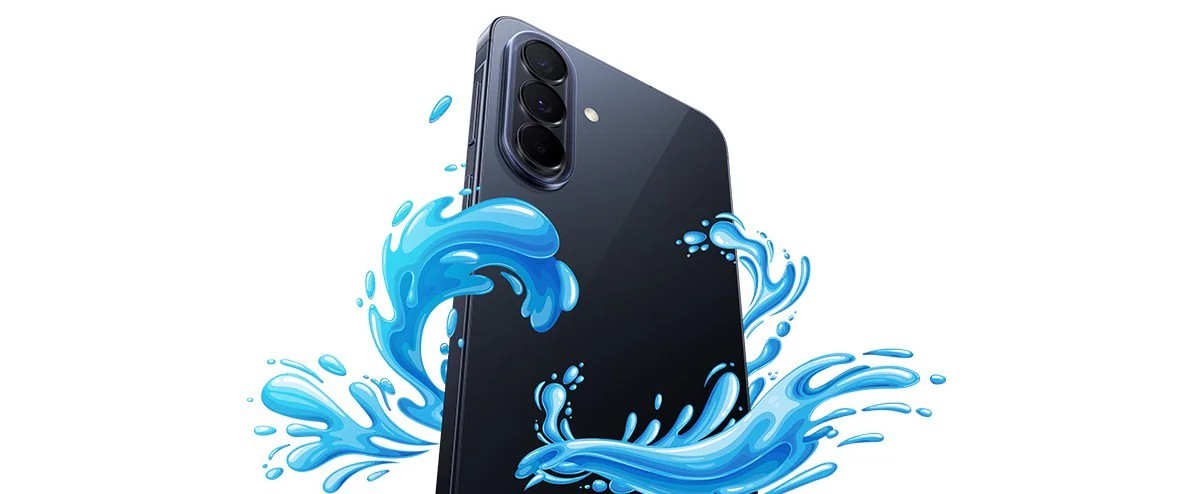
The Galaxy A57 and A37 are now rated IP68
The Galaxy A57 is also the first phone with the new Exynos 1680 chipset. It’s still fabbed on Samsung’s 4nm node, but it shakes things up a bit compared to the 1580 – it swaps one Cortex-A520 for an A720 core, so now it has a 1+4+3 configuration instead of 1+3+4. This should boost multi-core performance a bit.
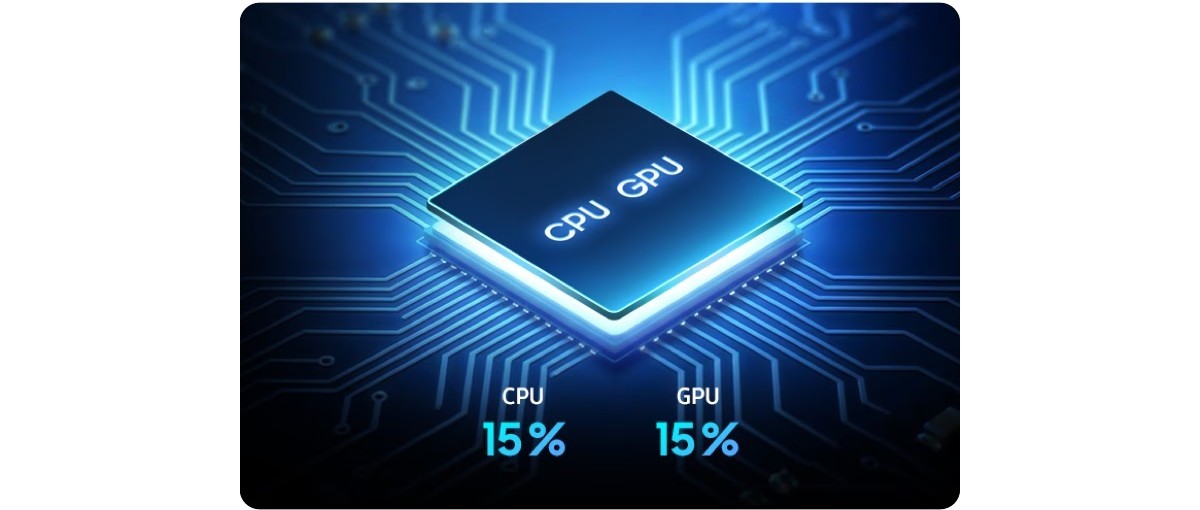
The Exynos 1680 brings a small performance boost
Also, the NPU is faster, offering 19.6 TOPS, up from 14.7 TOPS for the previous chipset. Samsung is all-in on using AI as a core part of its mobile strategy, so better on-device capabilities might enable new features. The GPU is new too, Xclipse 550, but we’re not entirely sure what has changed – it’s still an RDNA 3-based GPU with 2 work groups like the Xclipse 540.
This is where the upgrades over the A56 end, though for people coming out of a 2-year contract, the Galaxy A55 is the more relevant comparison. Battery capacity hasn’t budged, it’s still 5,000mAh, but charging is faster at 45W (up from 25W on the A55). Losing the microSD slot might be a problem for some, however.
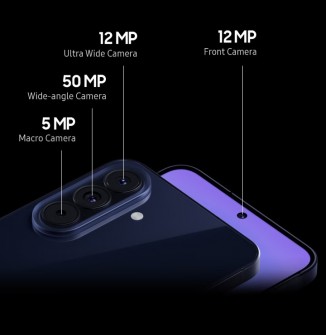
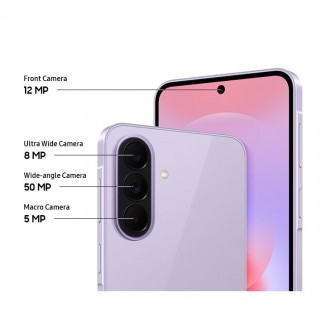
Camera specs: Galaxy A57 • Galaxy A37
The Galaxy A37 hasn’t changed much
The Samsung Galaxy A37 is powered by the Exynos 1480, which should offer a mild performance boost over the Snapdragon 6 Gen 3 inside the A36. Embarrassingly, that Snapdragon was essentially neck-and-neck with the Exynos 1380 inside the A35.
Anyway, the A37 also features the higher IP68 rating (up from IP67 for previous models). Other than that, its plastic frame is the same as it was last year measuring 7.4mm thick and weighing 196g.
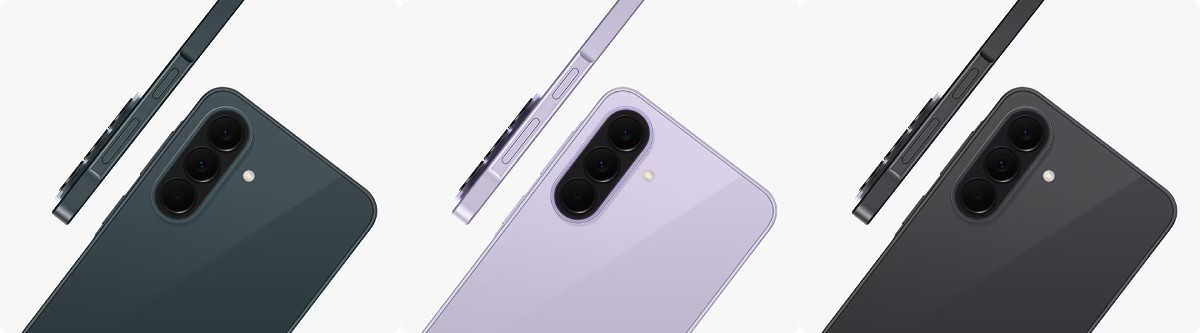
Again, we think it’s better to compare against devices at least two years old. No Galaxy A owner upgrades every year, right? So, comparing it with the A35, the A37 is noticeably more slender – the 2024 model was fairly chunky at 8.2mm and 209g. The A37 has the same battery capacity, 5,000mAh, but faster charging at 45W. Well, it’s not blazingly fast – we haven’t tested the A37 yet, but if it’s the same as the A36, it should do a 0-100% charge in 1 hour and 14 minutes, compared to 1 hour and 26 minutes for the A35. Still, 45W is more than Galaxy S26 owners get.
Again, losing that microSD slot could be a problem for anyone who has loaded up a 512GB card (or bigger). And if you can find a Galaxy A55, you can have both the Exynos 1480 and the microSD slot.
The Galaxy S25 FE problem
The Samsung Galaxy A57 launches at $550 / €530, while the Galaxy A37 starts at $450 / €430. However, if you do a quick price check for the Galaxy S25 FE, you will see the problem – you can have that instead of an A57.
The S25 FE has the better screen – it’s also a 6.7” 1080p+ panel, but it’s LTPO with 1-120Hz refresh rate. It has the better chipset too – the Exynos 2400 has a proper prime core (Cortex-X4) and an RDNA 3 GPU with 6 work groups (3x WGP of the Exynos 1680).
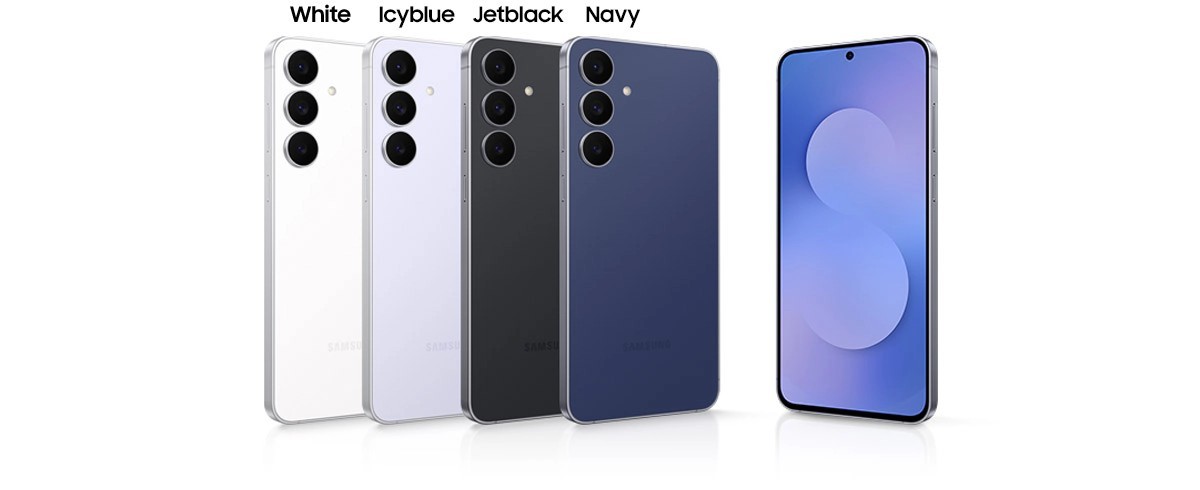
The main and ultra-wide cameras are similar enough, but the FE model adds an 8MP 3x/75mm telephoto module. The battery is technically smaller (by 100mAh), but it has both 45W wired and 15W wireless charging. And the USB-C port is the faster USB 3.2 kind.
At the same prices, there is very little reason to buy a Galaxy A57 over an S25 FE. That said…
Don’t buy the Galaxy A57 or A37 at MSRP
The Galaxy A56 launched at $500 / €480 and the A36 at $400, so the 2026 models have a higher MSRP. But you shouldn’t buy an A57 or A37 at MSRP.
And you might not have to – some regions are already advertising a free storage upgrade, meaning that you’ll get a 256GB phone for the price of a 128GB phone. But even after the pre-order period ends, we expect to see constant deals for the new A-phones.
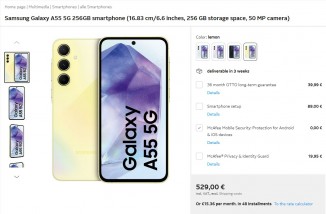
Samsung Galaxy A55
That’s what happened with the A56 and A36. Scrolling through old posts, here’s what we found – the A56 and A36 launched in the UK in late March with a free Galaxy Fit3, a 45W charger and a case. By mid-June, the offer was improved to a proper smartwatch, Galaxy Watch7, and £100 cashback. The story with previous generations is similar enough – the A55 and A35 launched in early March, then April brought an offer of a free pair of Galaxy Buds FE and May brought tangible price cuts.
The Galaxy A57 better be available on day 1 in the US
We alluded to issues with the Galaxy A56 in the US. As you may or may not remember, the phone was unveiled in March, but it wasn’t until mid-June that it finally became available in the US.
That left US buyers with only two options above the entry-level models and below the flagship S-series – the Galaxy A36 and the Galaxy S24 FE. The S24 FE was already seeing some serious price cuts by April, which made it all the more awkward when the A56 finally arrived.
This year both Apple and Google have compelling offers with the likes of the iPhone 16 ($700) and 17e ($600) from Cupertino and the Pixel 10 ($600) from Mountain View, so the Galaxy A57 doesn’t have time to lose – it should launch as soon as possible.
The Galaxy A37 needs its own identity
While the A5x and A3x models were never all that different, the difference between them has gotten too small in recent years. The A37 is just a cheaper A57 with a plastic shell. Okay, there is a bit more to it than that, but not much – in a day and age when you can have a mid-ranger with a Snapdragon 8-series chip, the choice between Exynos 1680 and 1480 seems like a moot point.

We assume that the A5x spec sheet is designed to keep its relative distance to the S FE models. So it is what it is. But turning to the A37, a cheaper A57 is not interesting since, as we explained above, you shouldn’t be paying full price for an A57, anyway.
Samsung needs to find a way for the Galaxy A37 to stand out – make it smaller or bigger, add back the microSD slot or anything that makes it more than the second-best choice to a discounted A57.
