

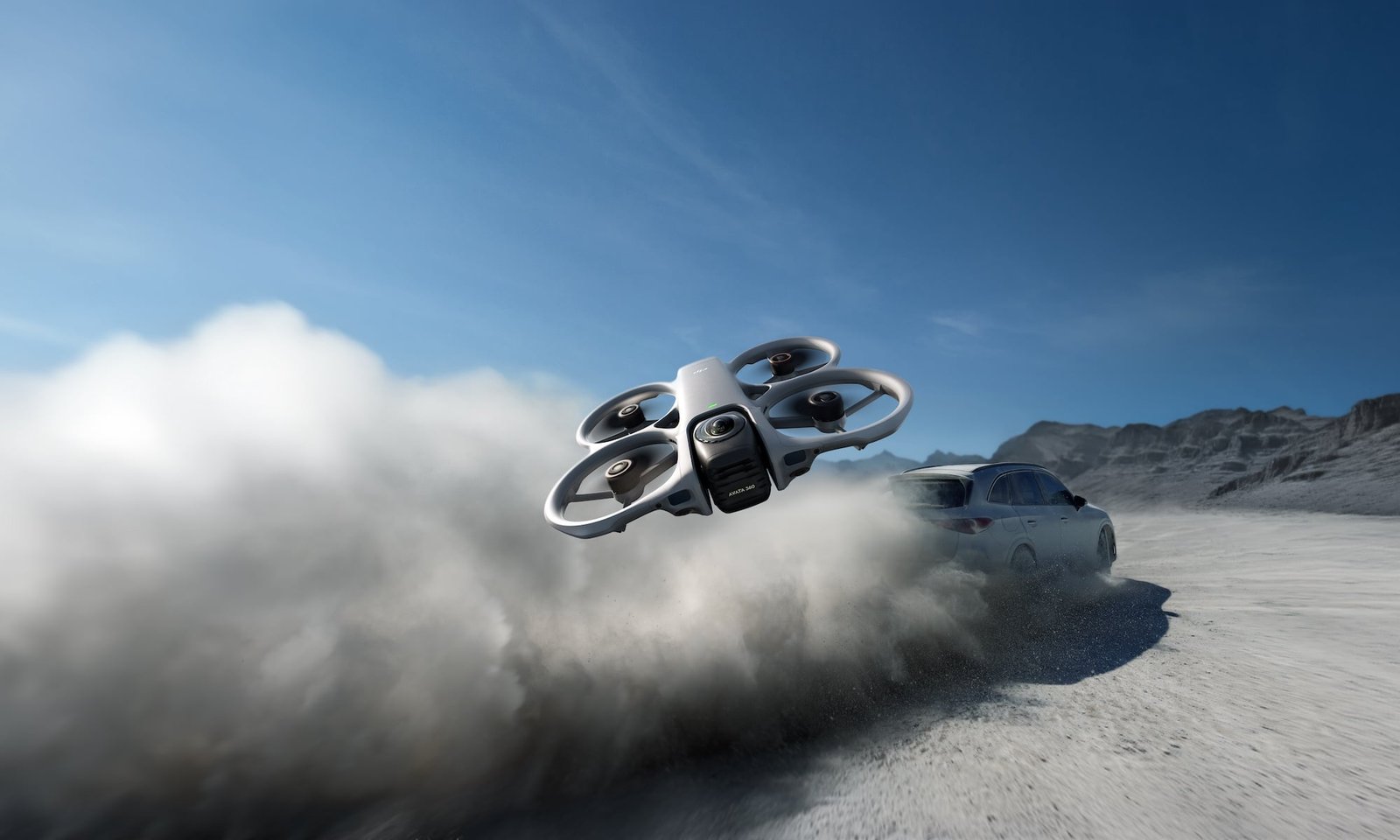
If you’re a content creator in 2026, you’ve probably been asking yourself the same question I have: DJI Avata 360 vs Avata 2—which FPV drone should I buy? Both are solid FPV drones built for action-heavy filming, but they take very different approaches. The Avata 360 combines the thrill of FPV flight with jaw-dropping 8K/60fps HDR 360° video—creators gain a whole new level of cinematic flexibility. The Avata 2 is a nimble, fast FPV drone with longer range, one-button acrobatics, and smart safety features—making even the most adventurous shots effortless.
Deciding between them isn’t easy. The Avata 360 is perfect if you love immersive footage you can reframe in post. The Avata 2 sticks to the classic FPV experience, prioritizing speed, maneuverability, and easy aerial stunts—ideal if you want precise control and realistic flying.
So, which drone actually fits your workflow and creative style? In this breakdown, I’ll run through the key differences that matter most for creators—flight experience, camera versatility, editing flexibility, and overall usability—so you can figure out which FPV drone will really take your content to the next level.
Quick Verdict: Which FPV Drone for Content Creators I’d Pick in 2026
So, here’s the quick answer: if you’re a travel vlogger or a filmmaker and you’re into immersive videos, the DJI Avata 360 is the one to go for in 2026 (though you may need to source it internationally).
If you want reliable availability in the US, longer range, and intuitive moves, the Avata 2 is your safer bet. At the time of writing, it’s still unclear whether the Avata 360 will officially launch in the US—we’ll update as soon as DJI confirms.
Here’s the part I get most excited about: what each drone actually lets me do with my footage.
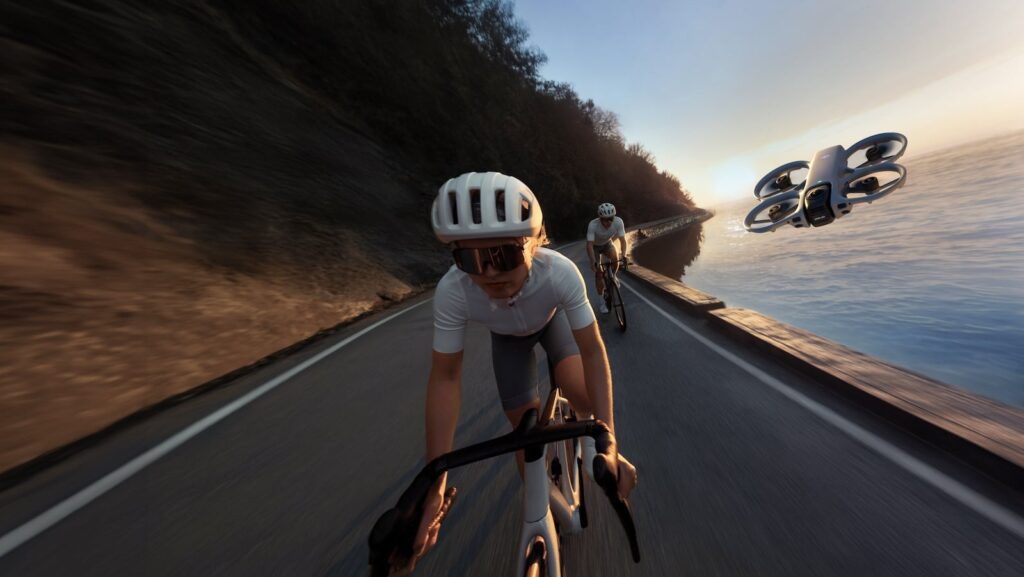
The Avata 360 is fun. I can record everything around me in 8K 360° and then pick my framing later—vertical, horizontal, cinematic, whatever I’m going for. I don’t have to stress about lining up the perfect shot mid-flight, which is a huge time saver when I’m bouncing between locations or trying to nail a tricky angle. Post-production becomes this playground of creative options.
The Avata 2, on the other hand, gives me classic 4K FPV footage that’s already framed for what I want. It’s super predictable and ready to drop into an edit, which is perfect for when I just want clean, usable shots fast.
Verdict: If I’m in the mood to experiment and reframe endlessly in post, the Avata 360 is my playground. But if I need reliable footage that’s ready to go, the Avata 2 is my machine.
DJI Avata 360 vs Avata 2: Image Quality & Editing Potential
This one matters big time if you care about your shots looking crisp after editing:
The Avata 360 is insane for creative freedom—8K 360° footage means I can crop and reframe anywhere I want. But here’s the catch: once you crop that 360 video down to a normal frame, you’re often left around ~1440p, which isn’t as sharp as native 4K. Reddit‘s early impressions on the drone confirm it.
The Avata 2, on the other hand, gives me 4K/60fps footage that’s sharp straight out of the drone. RockSteady and HorizonSteady deliver smooth footage, and the optional 10-bit color profile gives me solid grading headroom. Basically, I get crisp, ready-to-use shots without stressing over pixel loss.
Verdict: If I want footage that’s immediately usable and sharp, Avata 2 takes the win. The Avata 360 shines if I’m planning to do a ton of creative reframing—but I have to trade some sharpness for that flexibility.
Verdict: Avata 2 wins for usable, crisp footage straight from the SD card — especially if you’re not planning to reframe every shot.
DJI Avata 360 vs Avata 2: Flight Experience & Ease of Use
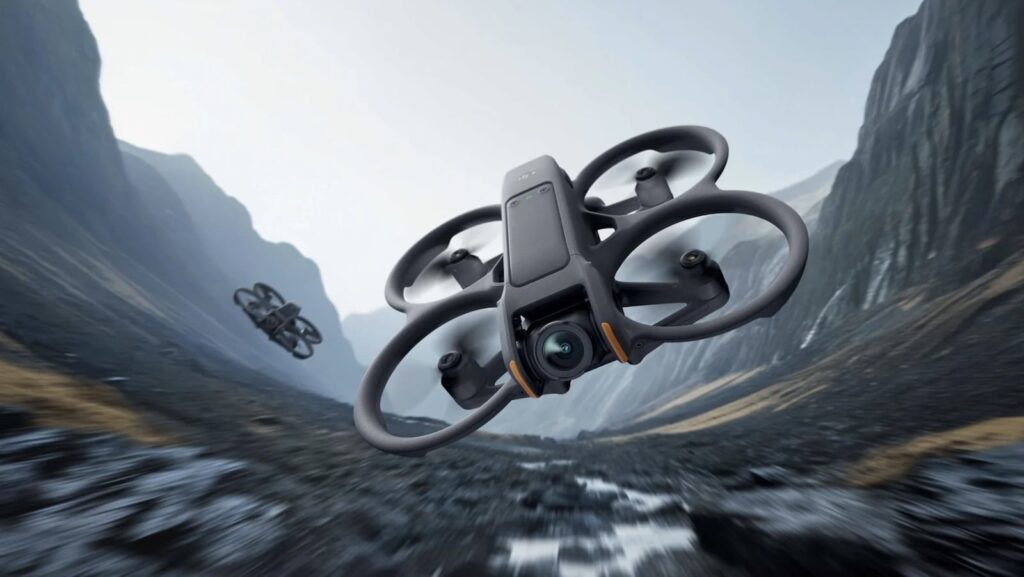
How a drone feels in the air makes or breaks my creative workflow. Both the Avata 360 and Avata 2 rock DJI’s O4 video transmission, so the FPV live view is super smooth. But here’s where I notice the difference:
The Avata 2 feels like a trusted buddy I’ve flown a hundred times. The flight tuning is solid, the ergonomics with goggles + motion or standard controllers just click, and I don’t have to think twice about pulling off tight moves or quick flips.
The Avata 360 has a 360° camera and an FPV drone in single-lens mode, which I love for versatility. But it’s heavier, non-foldable, and the new control balance can feel a little off if you’re used to the classic Avata FPV. Definitely a learning curve.
Verdict: If I want predictable, polished flying that I can trust for fast-paced shoots, Avata 2 wins. The Avata 360 will be fun to experiment with.
DJI Avata 360 vs Avata 2: FPV Drone Safety & Flight Range
I personally fly in all kinds of crazy setups—city rooftops, crowded parks, and random travel spots—and knowing my drone won’t bail on me is a big deal. The Avata 2 feels like the safe, reliable friend here. Its transmission is solid (I’m talking ~13 km clear line of sight), and the smart sensors make me feel like I’m not about to crash into a tree mid-shot.
The Avata 360? I love the omnidirectional obstacle sensing and built-in prop guards—they’re like training wheels for my flights. They definitely add peace of mind to my flying escapades!
Verdict: If I need rock-solid reliability for tricky shoots, I reach for Avata 2. But if I’m feeling experimental and want that safety net while pushing creative boundaries, the Avata 360 is tempting.
DJI Avata 360 vs Avata 2: Editing & Post-Production
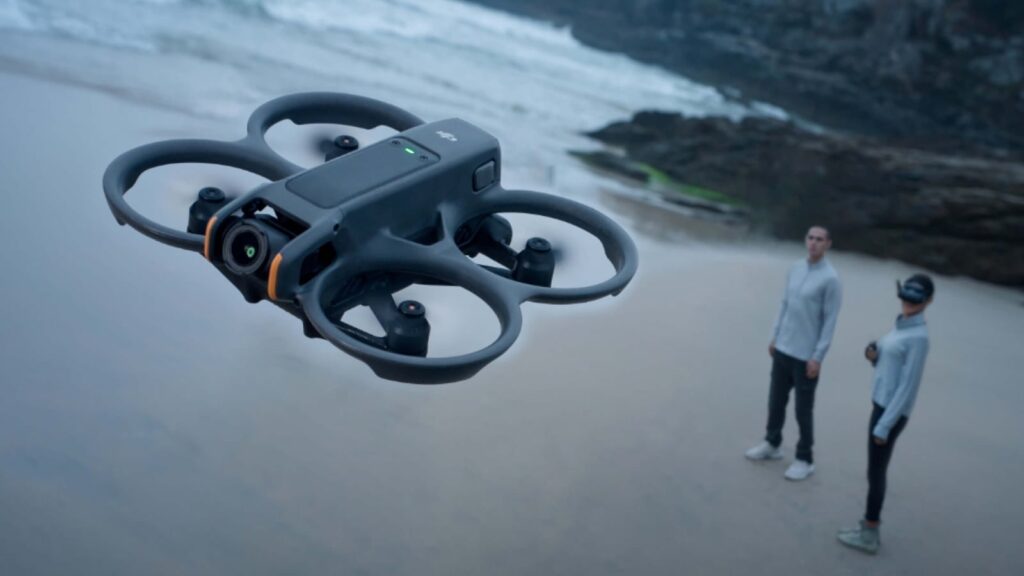
You can make 8K 360 footage look insane—but, of course, you’ll have hours of editing, storage crunches, and export headaches waiting for you. I’ve been there.
The Avata 2 makes life way easier. 4K footage, smooth stabilization, and fast transfers mean I can grab a clip, toss it into my timeline, and get it out to socials or clients without breaking a sweat. The Avata 360, though… if you want that reframing power and 360 magic, it’s an extra time investment.
Verdict: For most projects where I want speed and consistency, Avata 2 wins. But when I want to mess around and get super creative in editing, Avata 360 is where it’s at.
When the Avata 360 Is the Best Choice for Cinematic Creativity
I’d reach for the Avata 360 if I specialized in experimental footage or worked on projects where creative framing is everything. That 8K 360° footage is a videographer’s dream—I can crop, rotate, and reframe shots in post so I’m not stressing about getting the perfect angle mid-flight—and that’s a deal breaker. If I’m shooting travel vlogs or adventure clips, this drone gives me the flexibility to crop or reframe later.
I also love the built-in omnidirectional obstacle sensing and prop guards—it’s a little safety net in tight spots or during acrobatic FPV maneuvers. Even though this drone is heavier and a bit harder to handle than the classic Avata, I feel like the creative payoff is worth it. Basically, if I’m looking to push my editing and storytelling in post, or want to capture everything in one shot to play with later, the Avata 360 is an amazing option.
The Avata 2 is the reliable, workhorse drone of the two. If you regularly record fast-paced footage—whether it’s cityscapes, sports, or client projects—you don’t have to worry about lost pixels or complicated post workflows. Its 4K FPV footage is crisp, stable, and ready to drop straight into edits. Meanwhile, the flight tuning is predictable, and the motion + controller setups just click.
I also trust it for longer ranges and tricky shots thanks to its tested sensors and strong O4 transmission. Honestly, if I want dependable footage that looks good out of the box, fast turnaround for social or client work, Avata 2 is the clear choice.
Final Verdict: Which FPV Drone I’d Take on My Next Adventure
For most creators in 2026, I’d say the Avata 2 is the better daily driver. It’s predictable, easy to edit, and reliable in the air, which makes life so much less stressful for fast-paced or client work. The Avata 360, on the other hand, is incredible if you want to experiment, reframe shots, or push creative boundaries—but it comes with more post-production work and a slightly steeper learning curve.
If you’re looking for consistent results and don’t want to gamble with new controls, Avata 2 wins. But if you thrive on creative freedom and have time to tinker, Avata 360 is where the fun really is.
