

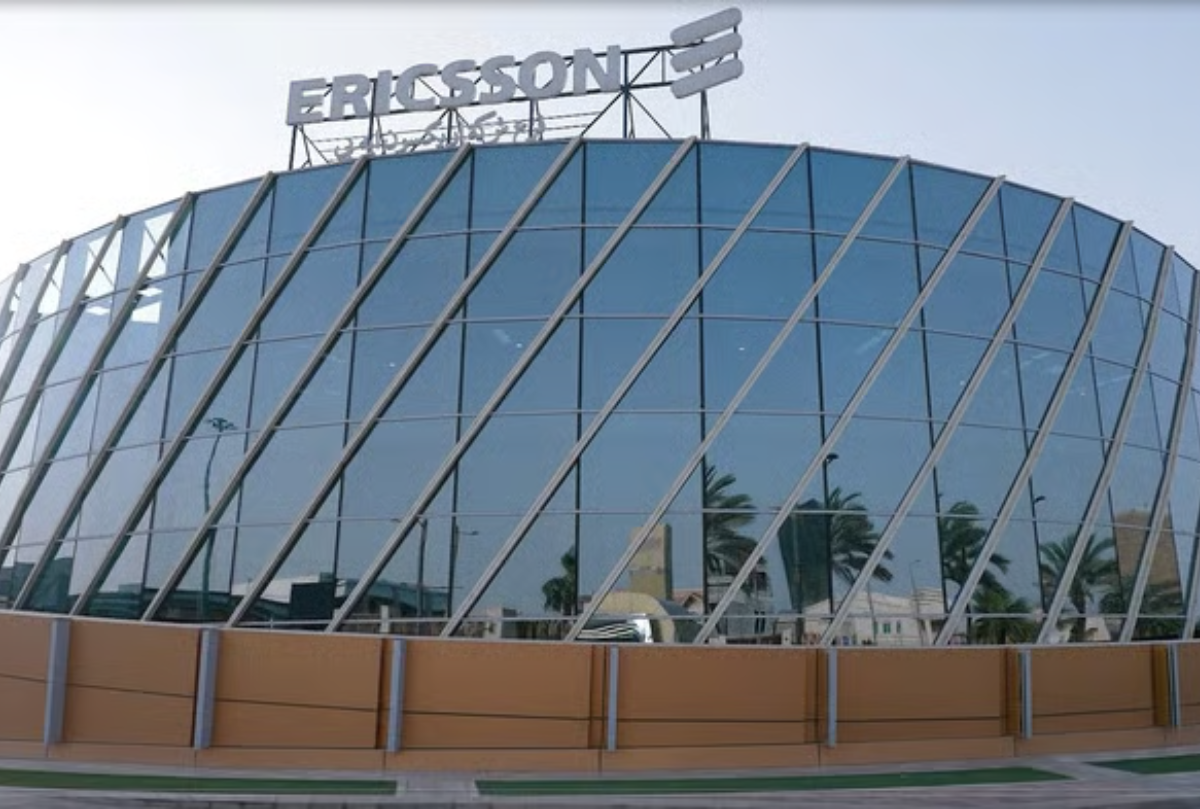
From a small kitchen workshop in 1876 to a global telecoms leader in 2026, Ericsson’s 150-year journey highlights a continuous evolution driven by communication innovation and industrial transformation.
While April 1 is widely associated with jokes and pranks globally, Ericsson has chosen the date for a very different kind of celebration in 2026, marking its 150th anniversary since being founded in 1876.
The company traces its origins to April 1, 1876, when founder Lars Magnus Ericsson opened a small telegraph repair workshop, L.M. Ericsson & Co., in a kitchen located in a Stockholm courtyard in Sweden. At the time, he was 30 years old and worked alongside Carl Johan Anderson and an errand boy, Gabriel Bildsten. The workshop’s first recorded customer was the Stockholm Fire Department, which paid just 2 Swedish kronor for instrument repairs.
The founding period coincided with a major global breakthrough in communications technology, as Alexander Graham Bell had recently secured the first patent for the telephone. This parallel development quickly influenced Ericsson’s early work, as the company transitioned from repairing instruments to designing and producing telephone equipment, laying the groundwork for its rapid growth.
Over the following decades, Ericsson expanded significantly, helping to make Sweden one of the most telephone-dense countries in the world by the end of the 19th century. The company’s growth also created hundreds of jobs and led to multiple relocations as demand increased for its increasingly popular and affordable communication devices.
Throughout the 20th century, Ericsson became known for both its consumer innovations and its role in shaping global telecommunications standards. It played a major role in the development of mobile systems in the 1980s and later helped define modern mobile network standards, transitioning from telegraphy and telephony into programmable digital networks.
Today, Ericsson is also involved in modern mission-critical communications infrastructure, including its work with Sweden’s Public Protection and Disaster Relief (PPDR) systems under the Swedish Civil Contingencies Agency Swedish Civil Contingencies Agency (MSB), continuing its long-standing focus on secure and reliable connectivity.
From a small kitchen workshop in 1876 to a global telecoms leader in 2026, Ericsson’s 150-year journey highlights a continuous evolution driven by communication innovation and industrial transformation.
