

The Digital Africa Index: A Tool for Action, Not Just Assessment
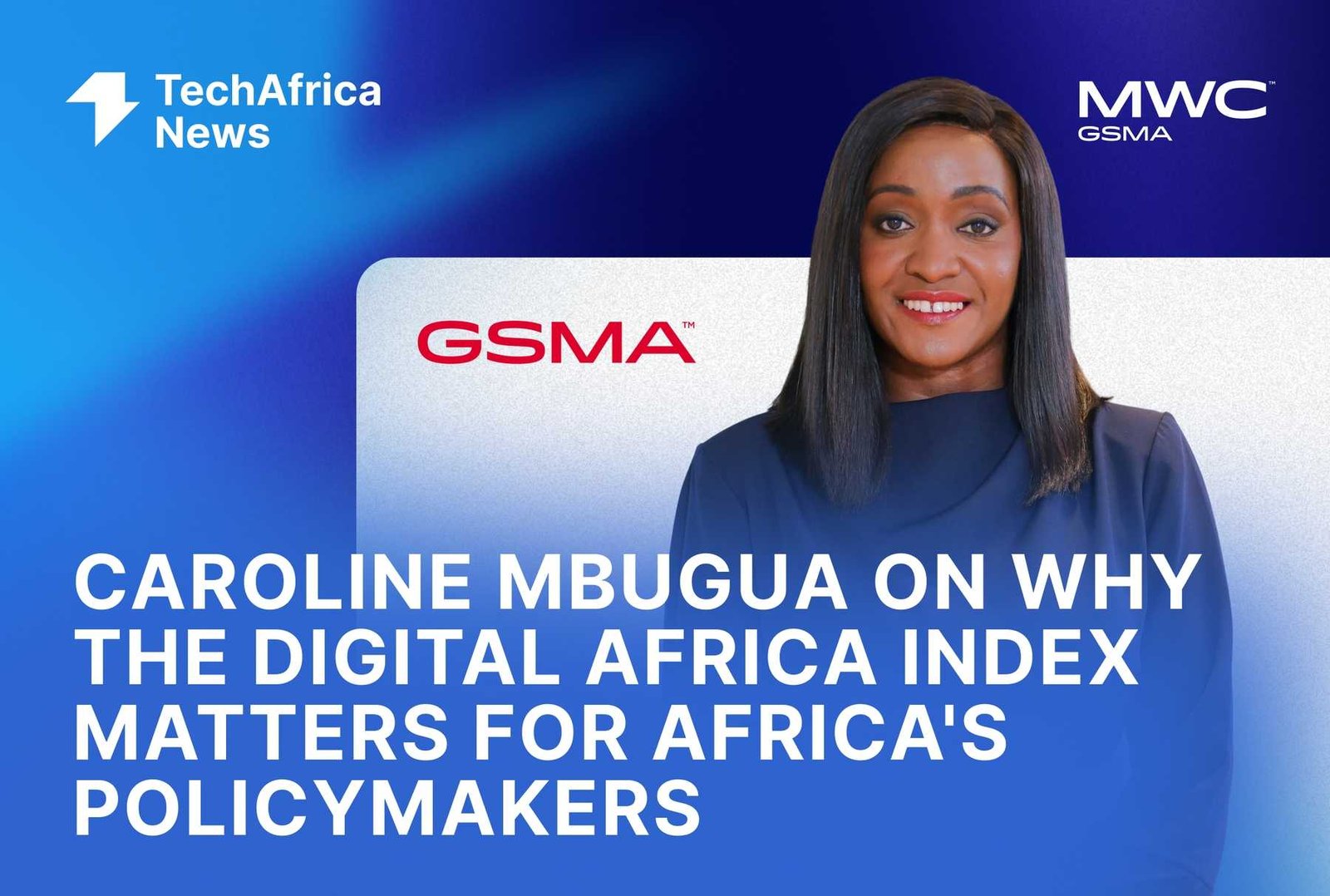
At the heart of GSMA’s policy work in Africa is the Digital Africa Index, a platform designed to go beyond measuring where countries are and tell them specifically what to do next. The index combines two components: the Digital Nations and Society Index, which scores countries between 0 and 100 on the digitalization of consumers, government, and business; and the Digital Policy and Regulatory Index, which breaks down the specific reforms needed across fiscal policy, spectrum management, consumer awareness, quality of service, and safety and trust. The link between the two is direct: the better a country scores on its policy and regulatory environment, the better it scores overall. It is, as Mbugua put it, a practical and implementable tool, not a theoretical exercise.
Benchmarking as Collaboration, Not Competition
One of the sharper observations in the conversation came when Mbugua addressed a natural concern about any ranking tool: does it create unhealthy competition between countries? Her answer pointed to a genuine shift in mindset among African policymakers. Rather than using the index as a scorecard to win, she said, leaders are increasingly using it to learn from peers facing similar conditions, picking up lessons from countries whose markets closely resemble their own rather than benchmarking against entirely different economies. The index, in this framing, is a catalyst for the kind of peer-to-peer collaboration that harmonization actually requires.
From Fragmentation to Harmonization
On the question of policy harmonization across Africa, Mbugua was precise. Before you can harmonize, you need to know exactly what is fragmented. The Digital Africa Index surfaces that information, showing, for instance, which countries have a spectrum roadmap in place and which do not. That visibility enables informed dialogue, and from there, institutions like the African Union Commission can drive harmonized approaches that still account for each country’s local context. Political will matters, she acknowledged, but insight has to come first.
“So how can we create a harmonized policy and regulatory framework across Africa? What is needed except the political will? So what is needed first is the insights. Where do we have the fragmentation and who takes the action? The Digital Africa Index provides that, giving information on where the fragmentation is. It highlights these fragmentations of the different policies and brings it to the board, allowing for an informed discussion about policy harmonization. To harmonize policies, there has to be an understanding of what exactly requires harmonization.”
– Caroline Mbugua, HSC, Senior Director, Public Policy and Communications, GSMA
MWC as a Wake-Up Call
Mbugua described MWC Barcelona 2026 as an eye-opener. The scale and pace of AI-driven innovation on display, across manufacturing, retail, aviation, and beyond, reinforced for her just how much is at stake for a continent where over 900 million people remain unconnected to mobile broadband services. Only around a quarter of Africa’s population is currently connected, meaning the benefits of these technological advances are reaching a select few. That reality, she said, gave her a renewed sense of purpose around accelerating digital adoption and ensuring smartphone penetration policies are treated as a priority.
Her closing message carried weight. The world is already talking about 6G. Africa, she said, needs to push now to ensure it is not excluded from the current technological revolution, because technology has proven to be the key to economic development for every country that has genuinely embraced it.
