

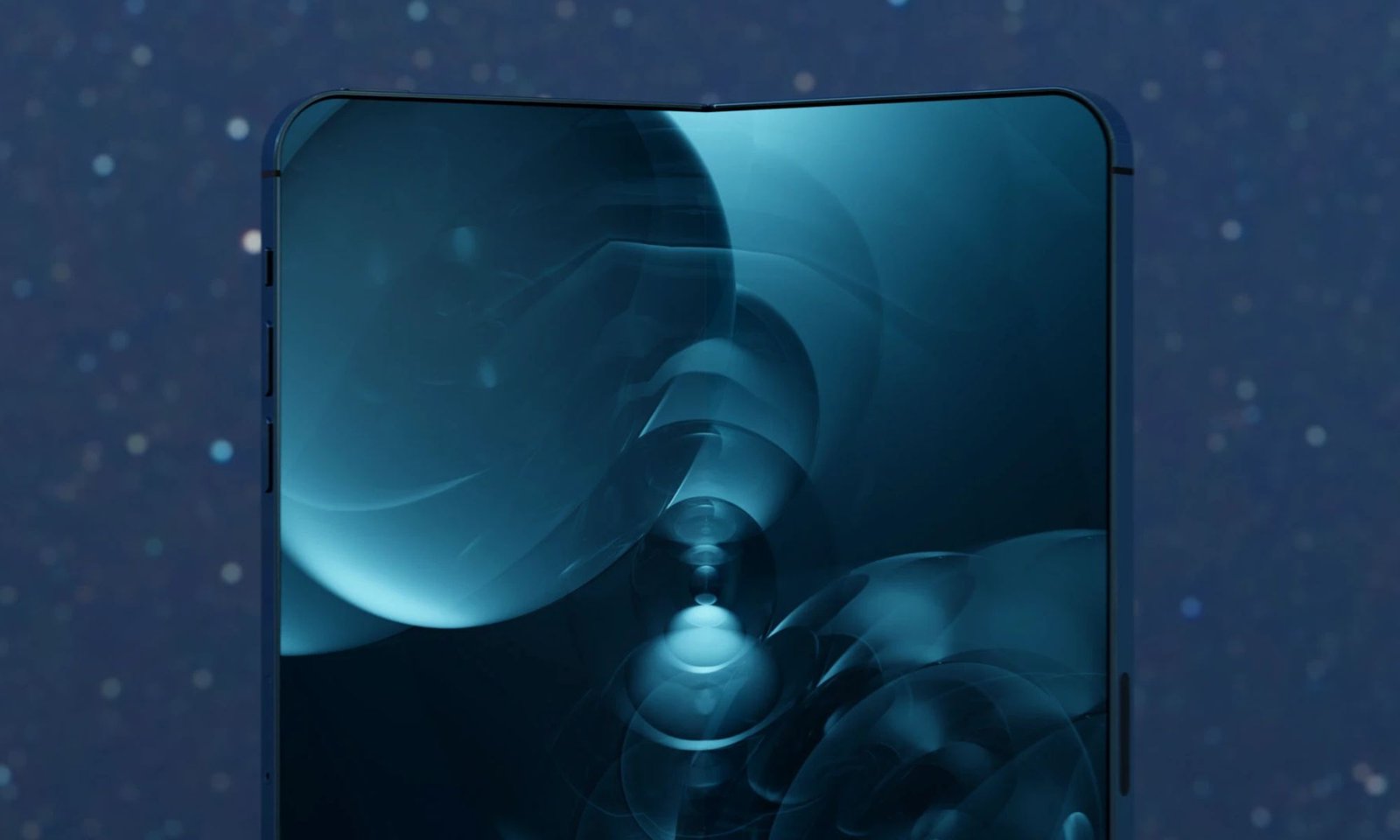
Every few years, Apple introduces a bold new vision for the future of tech. The last big iPhone redesign came with the iPhone X in 2017. Now, Apple is working on something that could be its next game-changer. Rather than trust AI alone (looking at you, Apple Intelligence), the foldable iPhone—aka the iPhone Ultra—could steal the spotlight. This is crucial because iPhones still bring in around half of Apple’s revenue, but sales have started to slow down.
New hardware is Apple’s usual strategy to shake things up. Think back to the iPhone 6 Plus, its larger screen sparked a huge boom 10 years ago. Could a foldable iPhone create that same kind of buzz?
1. Foldable iPhone design
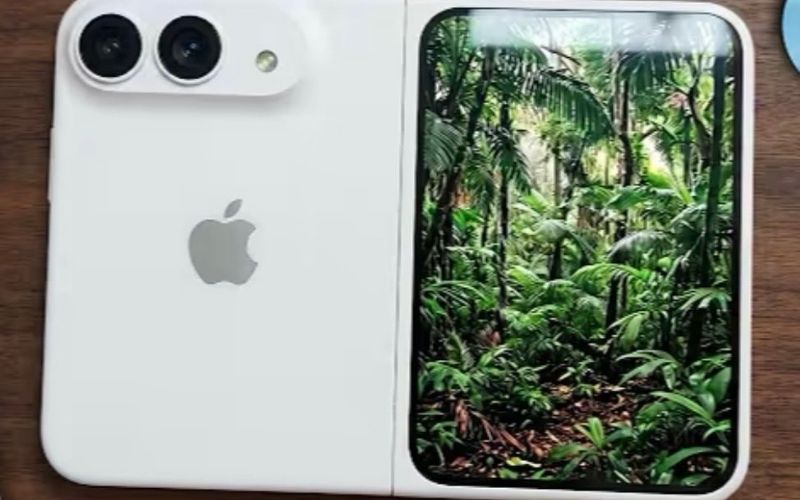
Back in 2021, Jon Prosser mentioned Apple might go with a clamshell design for its foldable phone. But now, The Wall Street Journal reports otherwise. According to their sources, Apple is working on an inward-folding screen, giving the device a book-like appearance. This aligns with trends in China, where the foldable market is booming and 67% of users prefer book-style designs.
Ming-Chi Kuo suggests the foldable iPhone might use an eSIM-only setup to save space. However, since China hasn’t widely adopted eSIM-only phones, Apple’s foldable might face challenges there, unless they adjust the hardware.
MagSafe and Action Button
Vadim Yuryev from Max Tech shared a clip on X that shows the iPhone Ultra design. The power and camera buttons sit on one side, while the volume rocker moves to the top. That layout leaves no room for an Action button because the frame looks too tight to add anything else. Fair enough, but a bigger issue stands out.
The leak suggests a conflict between the ultra-thin 4.5 mm body and MagSafe support. Dummy units show no built-in magnets, even if cases still try to add them. I still lean toward cables since speed matters more to me. For many users, though, MagSafe works as a core accessory system rather than just a charging method. People rely on it for car mounts, nightstand docks, wallets, and tripods. Removing it takes away a key part of the Apple experience. The iPhone 16e from last year also skips MagSafe, but that model sits in the budget tier, where trade-offs feel expected.
2. Foldable iPhone camera
The iPhone Ultra includes camera control despite limited internal space and width. The feature debuted with the iPhone 16 series and continued through the iPhone 17 series.
From what I understand, most people use the camera control button to open the camera, take photos, and record video. Changing lenses or adjusting settings happens less often. On-screen controls handle those tasks better.
2. Foldable iPhone display

Apple has explored different foldable screen sizes, including one that expands to match the 6.7-inch display of the iPhone 12 Pro Max. Current foldables range between 6 and 8 inches when open.
Now, Digital Chat Station shares more details. They say the foldable iPhone prototype has a 5.49-inch outer screen and a 7.74-inch inner display. For context, the Galaxy Z Fold7 brings a 6.5-inch cover screen with an 8-inch main display.
So, what’s Apple cooking up behind the scenes? Ming-Chi Kuo’s research reveals Apple plans to use Samsung Display’s crease-free solution. Apple’s own version may not make the cut, since they need something that can handle full-scale production in the second half of 2026. Oh, Mark Gurman also chimed in, saying Apple wants the inner screen crease to fade and the hinge to feel way better.
Back at MWC 2025, Samsung Display showed off a screen without a crease, hinting at what to expect. Some expected the Z Fold7 to launch with no crease. While that didn’t happen, Samsung still managed to tone the crease down quite a bit with their latest book-style foldable. OPPO’s Find N6 gets even closer to hiding the crease, setting a high bar.
Personally, I’m not a fan of the crease. I’d love to see it shrink or even disappear in future models. But if foldables interest you, don’t let that hold you back. Once you start using one, the crease fades into the background and is easy to forget.
3. Foldable iPhone software
Apple likely doesn’t need to stress much about app compatibility for developers. They’ve built a strong foundation since rolling out the M1 chip in the MacBook Air, ensuring apps adapt to any Apple device.

That said, I’m crossing my fingers for better iOS multitasking. Android does it better, especially on newer Galaxy phones. With more RAM, you can keep multiple apps open at once. iOS makes app switching easy, but you can’t run apps side by side like on an iPad or Android phone. That would be a huge missed opportunity for a foldable iPhone.
4. Foldable iPhone release date
Apple aims to release the folding iPhone during the usual September 2026 window, says Gurman. The company will unveil the foldable model at the same event as the iPhone 18 Pro and iPhone 18 Pro Max. Current plans involve selling the foldable at the exact time as the Pro phones or a short bit later.
Earlier in April, Nikkei Asia shared that Apple hit some snags during its engineering test phase, and those issues could push back mass production and shipping plans. The main challenges? Perfecting the hinge system and improving the tough yet flexible screen layer. Both parts demand a lot of work before they match Apple’s strict quality bar.
5. Price
Since Samsung’s Galaxy Z Fold7 came with a launch price of $1,999.99 for the base model, I wouldn’t be surprised if Apple’s foldable lands around $2,000. After all, both companies price their top-tier models—the Galaxy S26 Ultra and iPhone 17 Pro Max—at similar levels. And according to Gurman, Apple’s model will “cost at least $2,000.”
Bottom line
As of 2025, foldable phones aren’t slim, light, or energy-efficient enough to meet Apple’s standards. That’s why Apple’s been slow to join the foldable trend. They won’t release one until they’re sure the screen won’t easily get damaged and the crease won’t be noticeable. For that reason, I’m all in on the Apple ecosystem and plan to stick with it.
I think Apple’s big win will come from a tough hinge and an inner screen without a crease. Other than that, it’ll feel like a fresh iOS take on what Samsung’s been doing for a while. Still, I’m pretty excited to see what they bring.

