

Even the long-established US program is seeing growth: Interest in and approval for nuclear energy have spiked, and Big Tech is throwing money around to meet rising electricity demand. Companies are proposing (and beginning to receive regulatory approval for) next-generation reactors, which employ different coolants, fuels, and designs.
Given all this new interest, and the impending arrival of new types of nuclear waste, it’s time for nuclear companies, as well as their powerful customers, to push for progress on building geological storage facilities. As the richest country on the planet and home to a large chunk of the activity in next-generation reactors, the US should aim to join the leaders rather than continue to lag behind.
Directing even a small fraction of the recent surge in funding and attention to progress on waste could make a difference. Some experts are calling for a new organization in the US to manage nuclear waste rather than leaving it to the Department of Energy. This organization would mirror programs in Finland, Canada, and France.
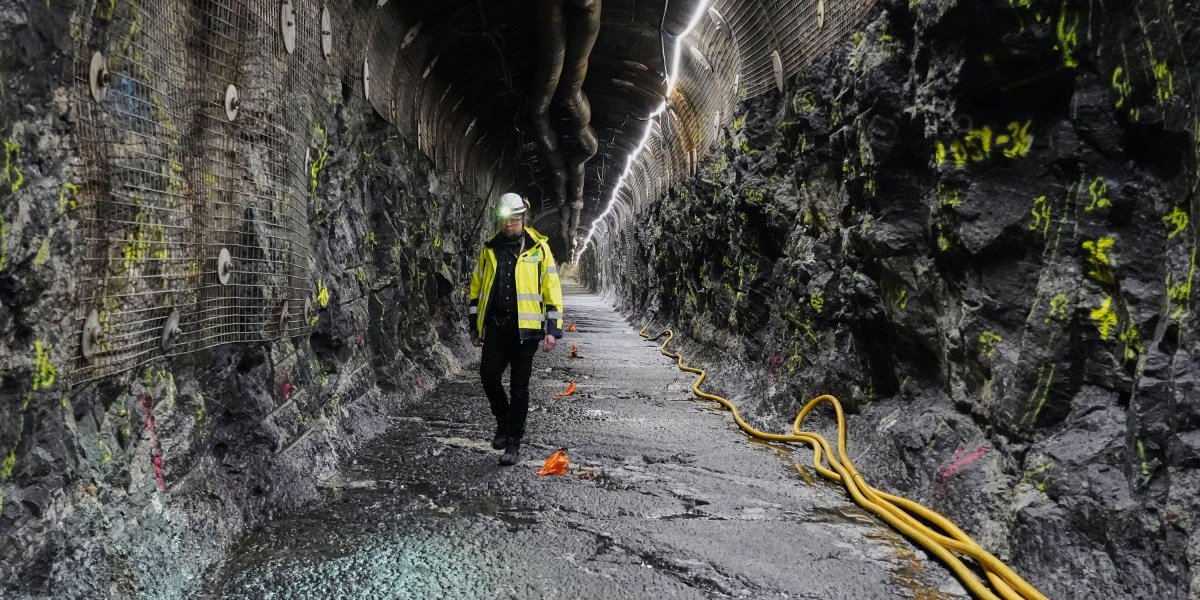
The process of planning, building, and commissioning a permanent solution for nuclear waste is a long one. Finland started planning in the 1980s and selected its site in the early 2000s, and it’s nearly ready to start accepting waste. For countries that don’t have a permanent storage solution sorted, the best time to start was decades ago. But the second-best time is now.
This article is from The Spark, MIT Technology Review’s weekly climate newsletter. To receive it in your inbox every Wednesday, sign up here.
