

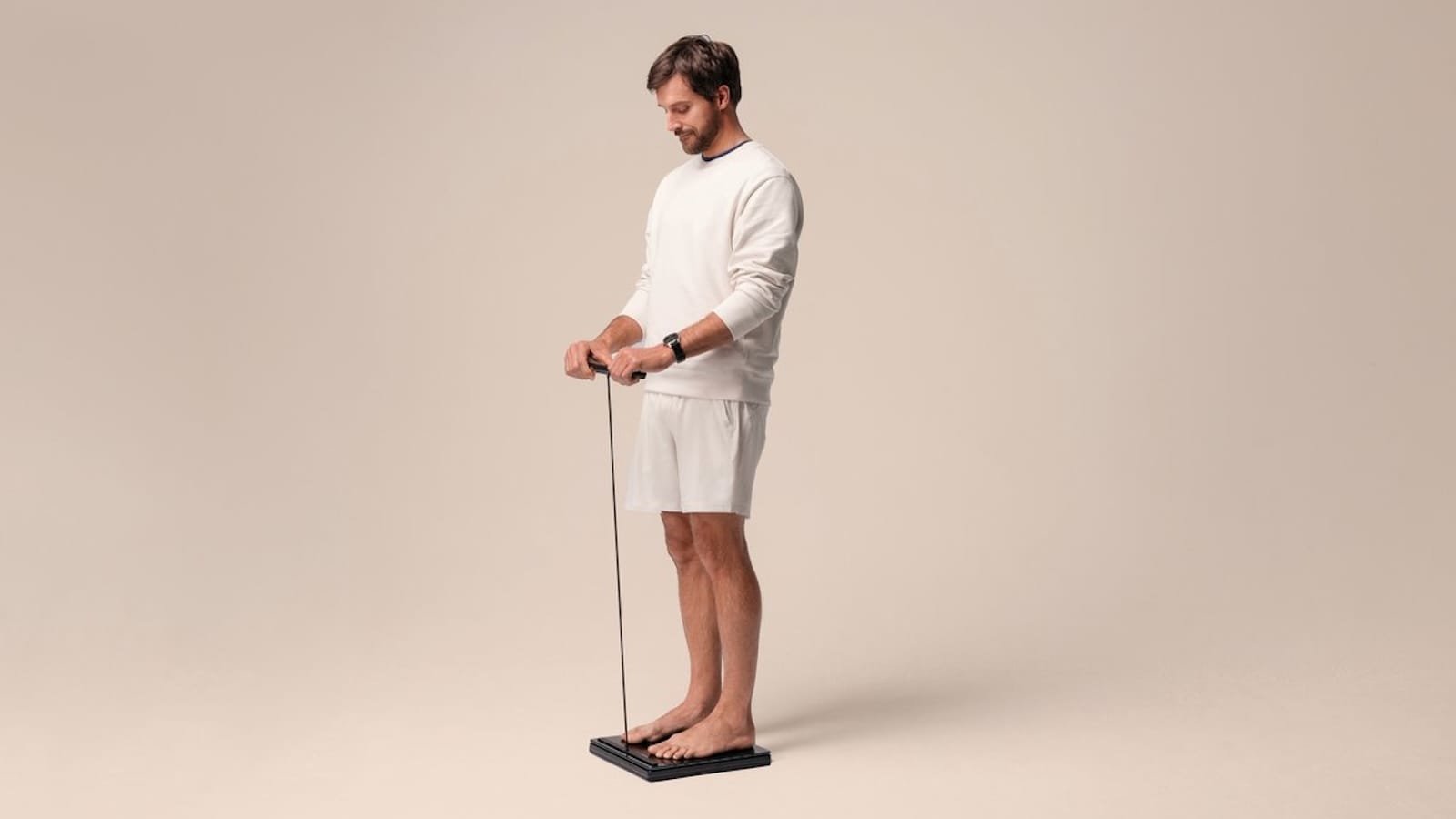
Withings BodyScan 2 Review: I used to step on a bathroom scale for one reason: to see whether I’d overindulged over the weekend. Now Withings is changing that same five-second habit to inform me about my arteries, metabolic health, heart rhythm, even how well I’m aging.
Full disclosure: I haven’t tested the new smart scale yet. But the most interesting thing about the Withings BodyScan 2 isn’t the expensive hardware (it costs nearly $600). It’s what it says about where home health tech is headed.
A scale that wants to replace your check-in
Withings announced the BodyScan 2 at CES 2026 back in January, and launched it in the US on July 15 for $599.95. That’s pretty expensive for a scale, but—as we’ve already seen—it’s not just a scale.
That’s the real change here. With the Withings BodyScan 2, the scale is no longer a weight-only calculator. It can show you how your heart is working and how your longevity is going. Those are metrics I never thought I’d see in the morning, but I can’t say I dislike them.
It’s hard work making a doctor’s appointment these days. Even if you have great insurance, you might have to wait a month to book, say, a heart specialist in your area. If I don’t have a specific heart condition but want to keep an eye on the old ticker, I might appreciate a smart bathroom scale like this.
Why this feels different
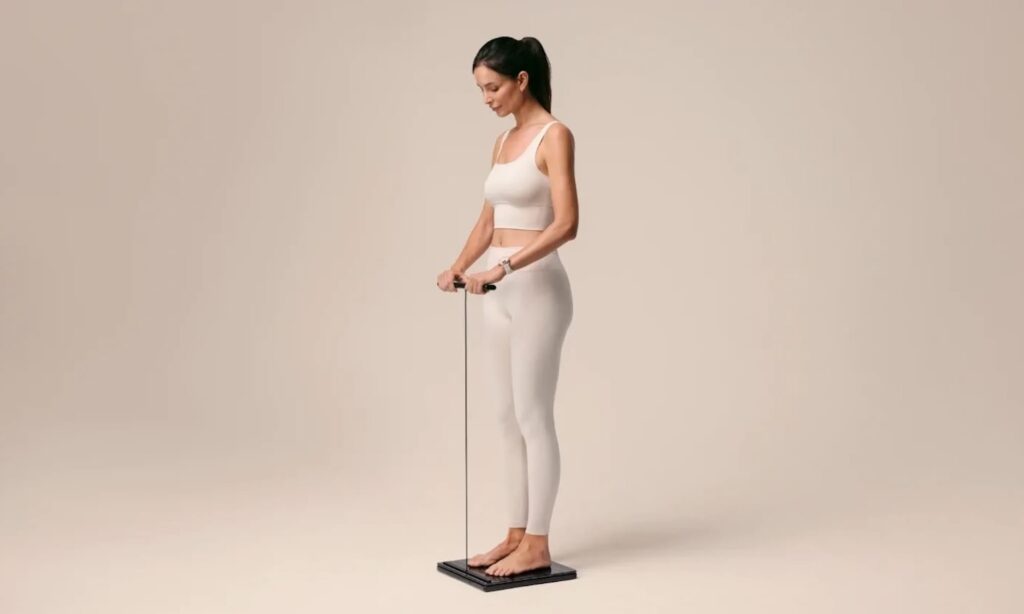
Ok, so the BodyScan 2 has sixty-plus biomarkers; that’s the headline number. But what really caught my attention is the retractable handle. You grip it during the scan so the device can read your heart’s electrical activity and pumping efficiency (through impedance cardiography and a 6-lead ECG). At the same time, it’s also reading your feet. That’s the whole idea: hands and feet at once, in under 90 seconds.
Layer on arterial stiffness readings, a hypertension risk flag, and a rolled-up “Health Trajectory” score, and it’s easy to see this as a device that’s less a scale than a health dashboard. Early hands-on coverage backs that framing up. Tom’s Guide called it “easily the most comprehensive piece of health tech” they’ve tested. That’s a big claim for something you keep in your bathroom.
My hesitation
I like the idea of catching a health issue early, in your own bathroom, while it’s still something you can walk back with better sleep or less stress instead of a prescription. What I’m less convinced about is whether I want another device greeting me every morning with a report card on how well I’m aging.
There’s real research behind that worry. Clinicians have already flagged that wearable data overload can generate health anxiety instead of reassurance, sending people to the doctor over a flagged reading that meant nothing. The challenge with home health tech now is making sure that data actually helps people instead of overwhelming them.
The bottom line
If the Withings BodyScan 2 succeeds, and starts a new scale trend, I don’t think it’ll be because it measures more biomarkers than any other. It’ll be because it convinces people that a bathroom scale can be something more than a weight tracker; i.e., more than a self-control barometer.
And that is needed. The morning weigh-in is fraught for a lot of people. A scale that measures metrics other than weight could keep total body health the focus, not just remind us that we ate too many cookies over the weekend.
Lauren has been writing and editing since 2008. She loves working with text and helping writers find their voice. When she’s not typing away at her computer, she cooks and travels with her husband and two kids.
