

The system is intended to integrate HR and payroll processes while ensuring uninterrupted services for approximately 200,000 public sector employees and at least 150 human resources and payroll managers operating nationwide.
Niger has highlighted significant progress in the digital transformation of its public administration, with more than 16,500 civil servant records digitised and 23,000 personnel files updated under the country’s Integrated Human Resources Management System of the State and Payroll (SIGRHEP).
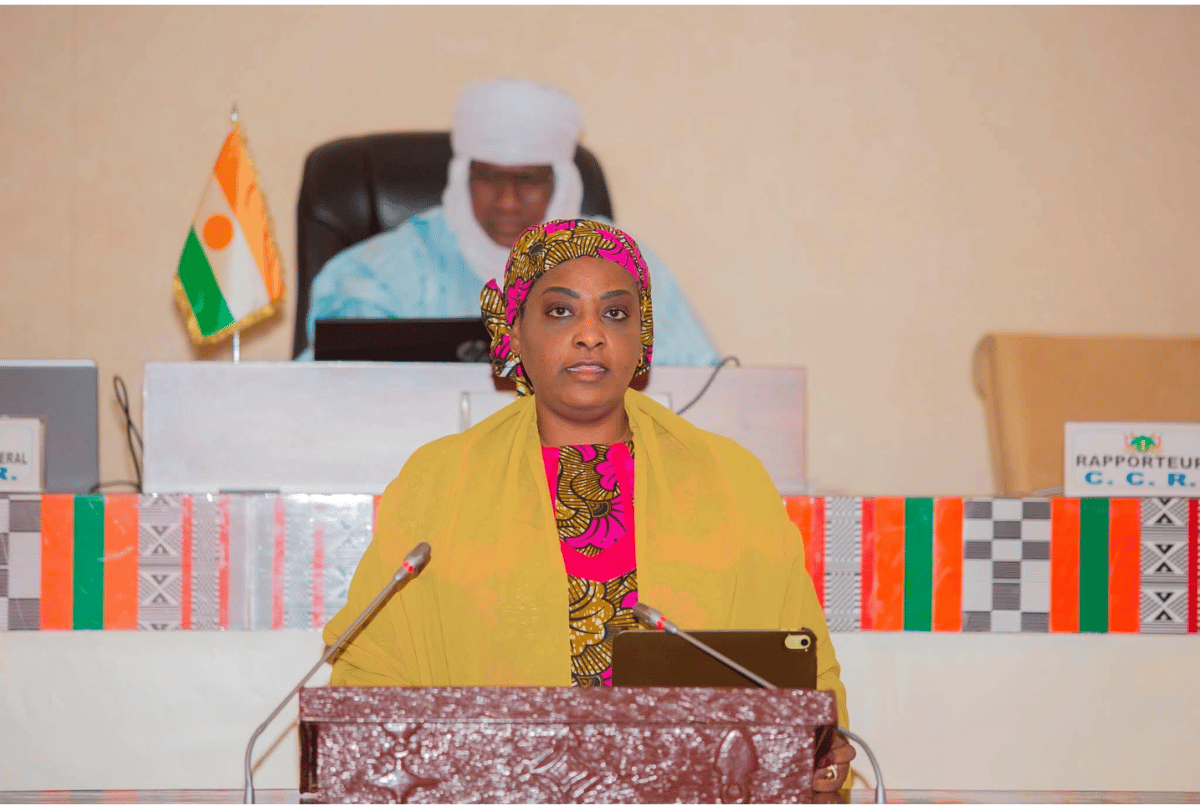
The update was presented by Aissatou Abdoulaye Tondi, Niger’s Minister of Public Service, Labour and Employment, during the continuation of the first ordinary session of 2026 of the Consultative Council of the Refoundation (CCR), held on 27 July 2026 under the chairmanship of Dr. Mamoudou Harouna Djingarey, President of the institution.
During the session, the minister briefed council members on a series of reforms aimed at improving the management of state employees, harmonising the country’s public service system, promoting equity in human resource management, modernising public administration, and strengthening labour and employment policies.
A key focus of the presentation was the implementation of SIGRHEP, the government’s integrated digital platform designed to modernise and streamline human resources and payroll management across the public sector. The system is intended to integrate HR and payroll processes while ensuring uninterrupted services for approximately 200,000 public sector employees and at least 150 human resources and payroll managers operating nationwide.
According to the minister, the digital transformation programme has already resulted in the digitisation of more than 16,500 personnel records, the updating of 23,000 employee files and the development of several professional applications to support public sector administration.
Beyond digitalisation, the minister outlined other reforms undertaken by the ministry, including the adoption of legislation updating the general statute governing the public service, the introduction of individual performance evaluation tools, the implementation of a strategy for redeploying state employees in post-crisis situations, the organisation of competitive recruitment and direct hiring exercises, and the management of the careers of thousands of public servants.
The presentations were followed by discussions with members of the Consultative Council of the Refoundation, focusing on the implementation of public service reforms, human resource management, administrative modernisation and labour and employment policies. The session concluded with a motion of congratulations to government members who participated in the council’s work.
