

The focus reflects ongoing challenges in achieving digital inclusion, particularly in regions where significant portions of the population remain outside the digital economy.
On Tuesday, November 18, 2025, the second day of the World Telecommunication Development Conference (WTDC-25) at the Baku Congress Center highlighted the urgency of addressing persistent global digital divides. Organised by the International Telecommunication Union (ITU), the event runs from November 17 to 28 and brings together over 2,300 delegates from all continents, including more than 65 ministers, under the theme of universal, meaningful, and affordable connectivity for an inclusive and sustainable digital future. The focus reflects ongoing challenges in achieving digital inclusion, particularly in regions where significant portions of the population remain outside the digital economy.
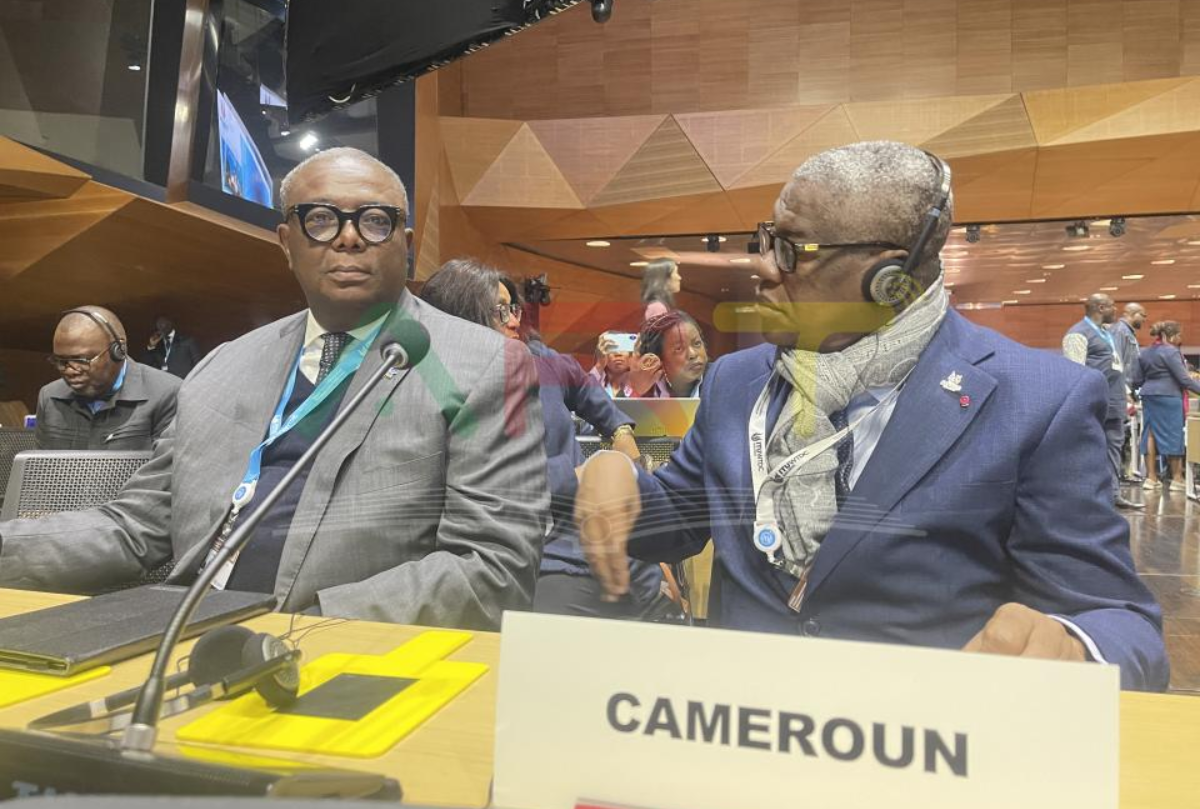
The day’s proceedings opened with the High-Level Segment, offering ministers, heads of delegations, and government representatives a platform to present their national digital strategies in a concise three-minute format. Cameroon’s Telecommunications Regulatory Agency (ART), led by Director General Professor Philémon Zoo Zame, was among the prominent African delegations, emphasizing the strategic importance of engaging with global decision-makers and sectoral organizations to advance inclusive digital development.
Parallel to the political interventions, working groups advanced technical deliberations. The WG-PL focused on refining the ITU-D Strategic Plan and Baku Declaration priorities for 2026–2029, highlighting key actions including universal access, the inclusion of vulnerable populations, digital skills development, and infrastructure resilience. COM-3 continued drafting resolutions for submission to member states, stressing the need to accelerate access to essential digital services, especially in rural and marginalized areas.
In addition to formal sessions, the day included diplomatic and networking events that facilitated the formation of technical, financial, and regulatory partnerships. Official breakfasts, coffee breaks, lunches, and dinners hosted by countries such as India, Qatar, China, and Saudi Arabia, as well as organizations like the GSMA, provided opportunities for informal discussions and collaborations among delegates.
The record turnout at WTDC-25 reflects the growing strategic importance of digital development. For participants, the conference remains a vital multilateral forum where policies and actions are shaped to drive connected societies and foster inclusive digital growth worldwide.
