

The company is now engaging regulators to secure approvals for all 14 markets, including Kenya. “As soon as we get the approval, we will launch these services in each of our 14 markets,” he added.
Airtel Africa , the continent’s second-largest telecom operator, is exploring a Starlink-led strategy that could transform mobile internet delivery in Kenya and 14 other African markets. The plan would allow standard mobile devices to connect directly to low Earth orbit satellites, reducing dependence on traditional towers and fibre networks.
The model targets rural and hard-to-reach areas, where network rollout is expensive and operators struggle to justify the high capital costs of new base stations. According to Airtel Africa’s CEO, the strategy builds on the company’s existing coverage efforts.
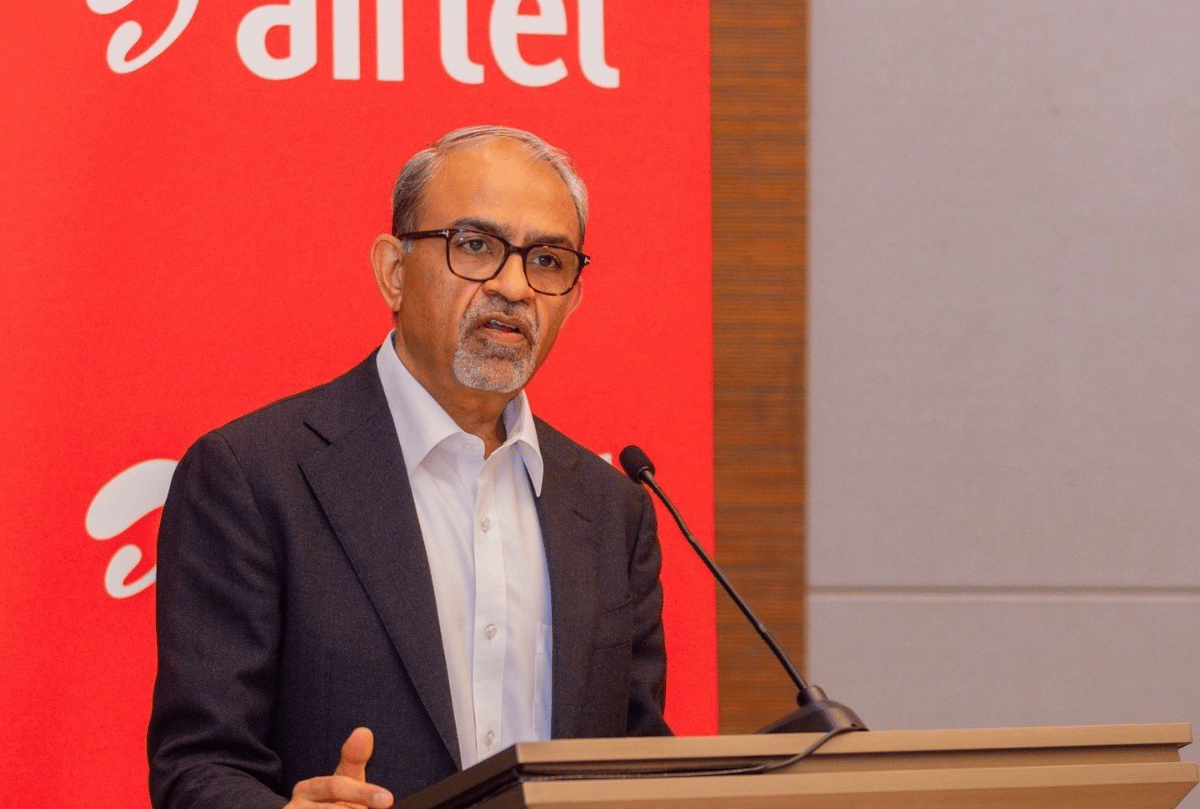
“This market has very high penetration of the overall mobile services, 60 plus percent penetration of smartphone in this market, very, very high penetration of financial services. So it’s a very attractive market for us. What we are currently doing is we are making sure that we are constantly expanding our coverage, and as I said, we today cover 91 percent of the population in Kenya. To meet the growing needs of data needs of our customers, we are making significant investments in improving data capacity so that we are able to provide a great data experience to our customers. In the uncovered areas, we have plans to, over a period of time, cover the uncovered areas, and that’s where our partnership with Starlink will come into play.”
– Sunil Taldar, CEO, Airtel Africa
He explained that one of the key challenges in expanding rural coverage is transmission or backhauling. “The first agreement that we signed facilitates or helped us to carry traffic from remote areas and bring that traffic into a central location and then take it into the international gateway. That helps us to expand our coverage and connectivity into rural areas.”
Airtel Africa recently signed a second agreement with Starlink, designed to provide direct satellite connectivity to customers outside terrestrial network coverage. “Through direct-to-sale connectivity, our customers, Airtel customers, using their existing devices, once they go outside the Airtel network coverage, will remain connected on the satellite coverage wherever they are across the length and breadth of all of our 14 markets. We are the first operator in Africa to offer this service,” the CEO said.
The company is now engaging regulators to secure approvals for all 14 markets, including Kenya. “As soon as we get the approval, we will launch these services in each of our 14 markets,” he added.
This move positions Airtel Africa at the forefront of satellite-enabled mobile connectivity, potentially opening access to millions of users in previously underserved regions.
