

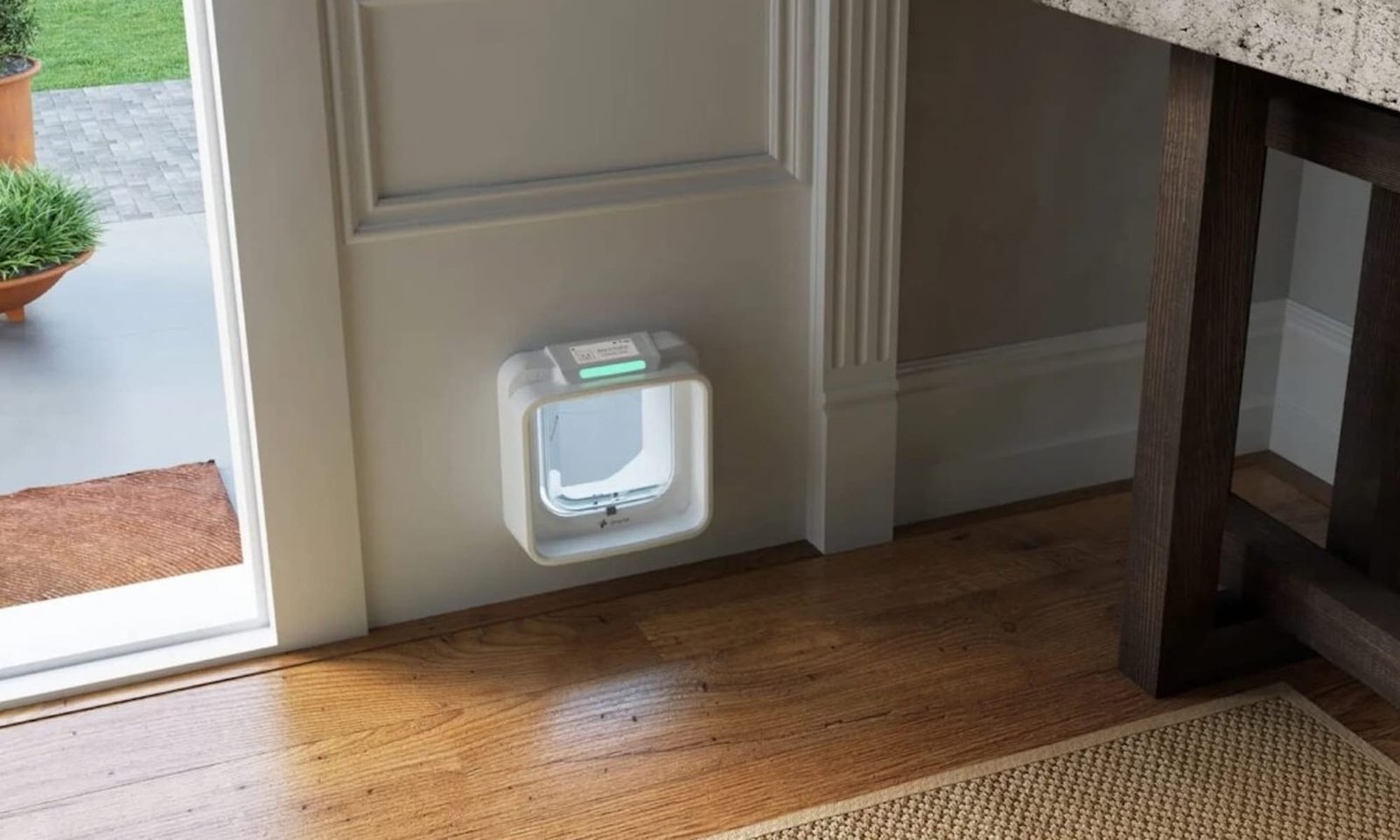
Yes. No. Sorta? We’ll talk about it—but first, a note: I didn’t plan on being that person who watches Netflix on the couch while a masked bandit raids her kitchen. But that’s life in Pennsylvania when you have cat door. Woodland critters get in.
Yes, if you’ve ever tip‑toed into your kitchen at 2 a.m., only to hear shuffling, chomping, and the sound of something furry moving around, welcome to my world last week. And that’s what prompted me to research: can AI cat doors stop raccoons?
Before we dive into whether the new generation of AI cat doors can actually keep raccoons out, here’s the truth right up front:
- Yes: AI‑powered pet doors can drastically reduce raccoon break‑ins compared with old flaps and basic RFID models.
- No: They’re not magic. Clever animals and unusual behaviors still find ways to get in.
- Also No: You shouldn’t treat these as a set‑and‑forget solution—the tech, setup, and environment matter.
Why Normal Cat Doors Usually Lose to Raccoons
Before we can talk about “AI versus raccoons,” let’s talk about how raccoons actually defeat regular setups.
Most older smart doors—including microchip and RFID models—simply unlock based on a signal from your cat’s collar. In theory, that’s great. In reality? Raccoons are smart and surprisingly tenacious. They’re often able to override digital safety measures.
- Raccoons can press their bodies or paws against low‑mounted sensors and trigger the unlock signal accidentally.
- Some raccoons have literally picked up RFID collars and used them to gain entry—tiny wildlife Houdinis, if you will.
- Even dual‑sensor or microchip variants don’t always stop animals that learn to manipulate the flap or exploit weak latch mechanisms.
And the Reddit threads read like a wildlife sitcom:
“For the last week… a pair of raccoons have figured out how to get in through my SureFlap.” — one owner lamented in a microchip flap thread, with follow‑ups saying even dual‑sensor models get bypassed.
“We had a raccoon inside our home eating our cat food… Sometimes it just knows the door is there…” another Redditor shared, weary but amused.
Seriously, it’s like these masked little opportunists are doing field research on pet doors as soon as the sun goes down.
So What Is an AI Cat Door Anyway?
Now to the tech side.
AI cat doors are way more than fancy flaps with collars. They use machine vision, pattern recognition, and multiple sensors. These help the door make smarter decisions; more like biometric checks than passive tags. Here’s what that means in practice:
Facial & Body Recognition
Some AI doors use cameras + infrared sensors to analyze not just a tag or signal, but what the approaching animal looks like — head shape, body proportions, even gait (that fancy term for how an animal walks). That’s much harder for a raccoon to fake.
One example of this tech — first seen in doors like Petvation — uses IR cameras and machine learning that’s pre‑trained to spot pets vs raccoons. The goal? Let Fido in, keep everything else out.
Weight and Gait Recognition
Another approach goes beyond sight: it analyzes how an animal moves — its stride rhythm, weight distribution, even how it places its paws. Raccoons have a very different gait from cats, and that helps the system decide whether to unlock.
It’s like having a tiny biometric bouncer at the door: if the animal doesn’t walk like it belongs, the door stays shut.
AI Cat Door Vs. Traditional
Not all AI cat doors are created equal — and no system is a silver bullet.
AI models consistently block most raccoon approaches — but performance can drop in bad lighting, heavy rain, or when animals linger near the door for a long time. In a 2023–2024 product comparison, AI blocked raccoons about 98% of the time — but rare misclassifications did happen.
AI still assumes behavior based on patterns — which means clever raccoons can sometimes wait for you or your cat to trigger the door, and slip in behind them in a split second.
If that stuff makes your eye twitch a little? Same. That’s why this isn’t just a product buying guide — it’s a realistic strategy.
What Reddit Says About All of This
Reddit thread on this topic is gold. Here’s what fellow pet owners really say:
- People still have raccoons push or manipulate microchip/RFID door flaps despite locking features.
- Many pets and owners still struggle with raccoons treating cat doors as open invitations.
- Some DIY folks are even talking about building custom facial recognition pet doors because commercial options do not yet fully live up to the hype.
I don’t mean to throw shade at any smart cat door currently on the market. It’s jus a fact that wildlife adapt, and tech helps, but nothing replaces observation and layered defenses.
When AI Cat doors are the Wrong Choice
So here’s the advice I’d give:
- Yes, AI cat doors are a step up from old flaps and basic RFID.
- Yes, they seriously cut down on unwelcome critters, including raccoons, when set up right.
- But, they require thoughtful installation, occasional calibration, and maybe even a little training for your cat to use them reliably.
And most of all: security is a system. AI helps, but light management matters too. If you’re looking for a set-it-and-forget option, and AI cat door isn’t there yet.
Best AI Cat Doors worth considering
With that information in mind, I came up with a list of the best AI pet doors in 2026. These gadgets include facial recognition as well as weight and gait sensing. These, combined with regular callibration and monitoring should thwart late-night robbers for good!
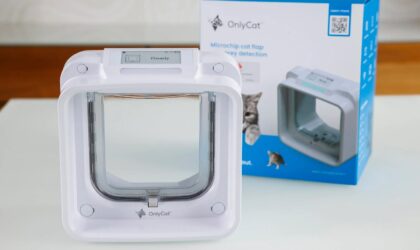
OnlyCat Microchip Cat Flap with Prey Detection
Ever come home to a raccoon raiding the cat food while your feline hides nearby? OnlyCat helps prevent that. Its AI Prey Detection locks the door if your cat is carrying a “gift” or if a clever raccoon tries to sneak in. Works with your microchip system but adds a powerful AI layer to keep your home safe. Clean floors, fewer raccoon break-ins, yes, please.
ZeroMOUSE 2.0
Got a trusty old cat flap but worried about raccoons sneaking past it? ZeroMOUSE 2.0 is your solution. This AI adapter mounts above your existing door, identifies critters and prey, and signals your flap to stay locked when something suspicious approaches. Affordable, genius, and perfect for pet owners who want raccoon-free nights without replacing their whole setup.
Pawly AI Cat Door
If raccoons are treating your house like an Airbnb and your cat thinks dead mice are love language, Pawly might be your new best friend. This newer AI door has made a name for itself for high-accuracy prey detection. When it comes to raccoon prevention, Pawly relies on advanced microchip recognition. It reads your cat’s implanted chip (or collar tag) and only unlocks for registered pets. So your neighborhood raccoon can glare at the door all it wants.
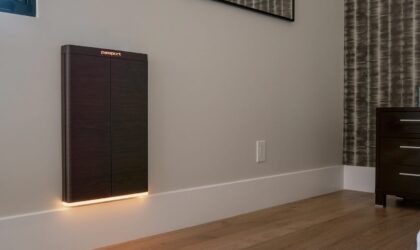
Pawport Outdoor Pet Door
If most smart cat doors feel like polite suggestions, Pawport feels like a bank vault with opinions. This is the premium, high-tech option that won Best of CES and recently became widely available. Pawport uses a motorized, deadbolt-locking steel door that slides open only when it recognizes your pet’s collar tag. The AI here lives in Pawport’s smart home ecosystem. You can integrate it with Alexa or Google Home, set ultra-precise schedules, and remotely lock it down when wildlife activity spikes.
What You Gain — And What You Give Up
Alright, AI cat doors aren’t magic. They’re great at some things but may let others slide. Here’s what to expect once you own one:
What You Gain
- Better Security Than Old Flaps – Most AI doors won’t let your raccoon neighbor in unless it has a PhD in door mechanics.
- Pet‑Friendly Access – Your cat still gets in and out without drama, unlike some DIY weighted‑flap setups that require gymnastics.
- Activity Logs & Alerts – Some models even send a notification when the door opens, so you know who’s coming in (and yes, you can judge them).
- Tech Flexibility – Facial recognition, gait detection, and weight sensors combine to reduce false positives for your pets. (alibaba.com
- )
What You Give Up
- Setup Effort – These aren’t plug‑and‑play. Calibration, training your cat, and checking for software updates is part of the package.
- Cost – Expect to pay more than a $100 per door, because you’re buying AI and sensors.
- Minor Technical Hiccups – Low light, rain, or multiple animals may confuse the system temporarily.
Conclusion: Here’s What I’d Do
Can AI cat doors stop raccoons? Yes, most of the time. They’re smarter than basic flaps, track your cat (or dog), and give you a little peace of mind that a raccoon won’t bust in every night. But if you live in an area with a lot of raccoons, you can never be 100% sure.
What I love about these doors is that they feel like the future. You get alerts, activity logs, and the satisfaction of watching a clever AI decide who gets in and who doesn’t.
My advice: combine AI with some old-school tricks — motion lights, timed locks, careful food management — and you’ll have a system that actually works.
Lauren has been writing and editing since 2008. She loves working with text and helping writers find their voice. When she’s not typing away at her computer, she cooks and travels with her husband and two daughters.
