

With this development, Kenya joins a growing number of countries exploring digital radio as the next frontier in sound broadcasting and plans to collaborate with regional bodies to promote harmonised standards that support interoperability and investment.
The Communications Authority of Kenya (CA) has facilitated the activation of Kenya’s first trial Digital Sound Broadcasting (DSB) services for radio in Nairobi, marking a major milestone in the country’s broadcasting sector. The rollout, announced on 13 February 2026, coincides with global celebrations of World Radio Day 2026 and signals a significant step toward the future of radio in Kenya.
Radio remains one of Kenya’s most widely accessed media platforms, reaching approximately 98% of households and supporting around 300 licensed broadcast services. However, existing FM frequencies in the VHF Band II (87.5–108.0 MHz) are heavily saturated in major urban areas, limiting opportunities for new broadcasters and contributing to signal interference and reduced audio quality.
To address these challenges, the Authority developed a Digital Sound Broadcasting framework in 2023, focusing on Digital Audio Broadcasting (DAB) in VHF Band III (174–230 MHz) and Digital Radio Mondiale (DRM) in the HF band (30 MHz). The framework was subjected to stakeholder engagement involving broadcasters, signal distributors, equipment vendors, government agencies, and industry associations.
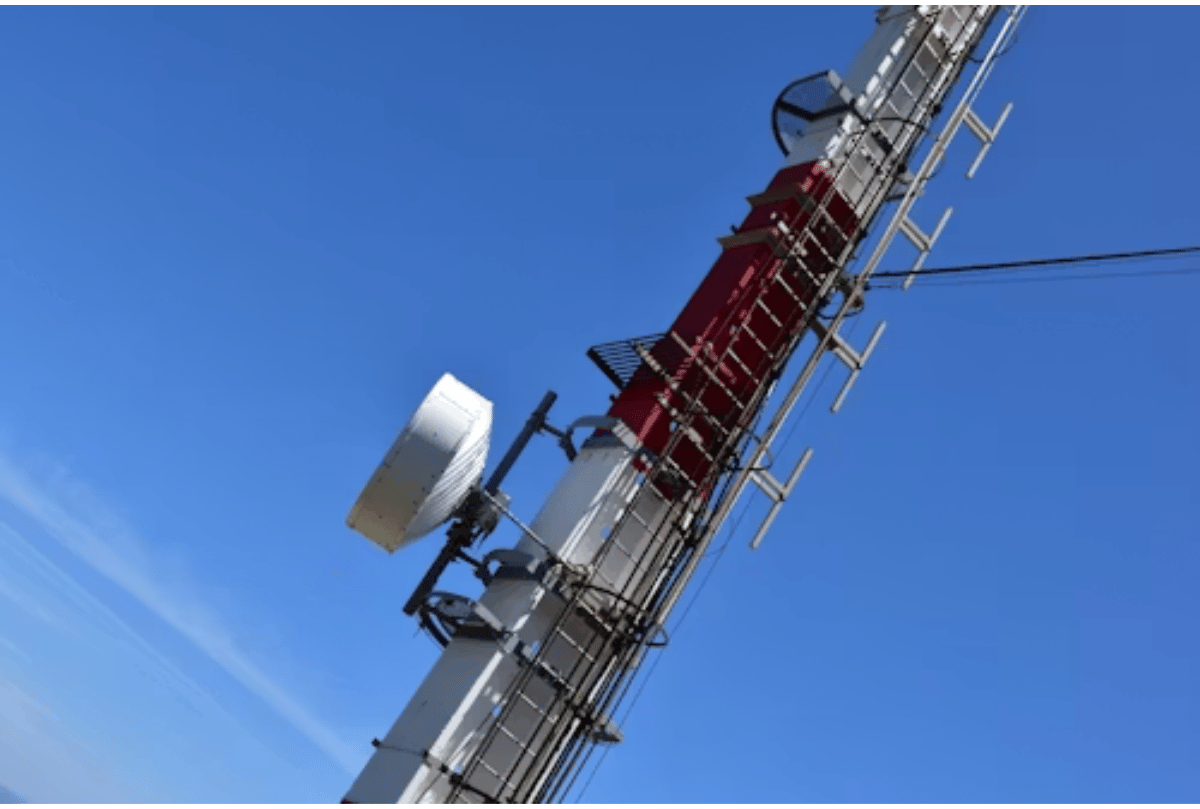
In 2025, the Authority granted authorisation to Signet Signal Distributors Ltd and Mast Rental Services Ltd to deploy trial DSB networks. In January 2026, Mast Rental Services became the first operator to launch a DAB+ trial network, currently carrying 14 radio programmes within the Nairobi coverage area.
The activation of the DSB signal is expected to unlock multiple benefits for broadcasters and investors, including wider coverage, lower barriers to entry, and new revenue streams. By separating content provision from signal distribution, broadcasters will be able to focus more on programming while benefiting from lower transmission costs. The technology also enables multiple radio services to be carried on a single channel, creating room for new entrants, including community broadcasters, at relatively affordable carriage costs.
For consumers, digital radio is expected to deliver clearer sound quality, reduced interference, and a broader range of programming options. Listeners will benefit from greater content diversity, including niche, regional, and thematic stations, as well as value-added data services such as programme and station information.
The Authority clarified that DSB technology will initially complement, rather than replace, existing FM services. No analogue switch-off date has been set, ensuring continuity of service as digital platforms are rolled out in phases. Expansion is expected to begin with the Mombasa–Nairobi–Kisumu corridor and other major population centres.
During the 12-month trial period, the Authority will conduct monitoring and evaluation to ensure adequate signal coverage, quality of service, affordability of receivers, and public awareness to encourage voluntary adoption.
With this development, Kenya joins a growing number of countries exploring digital radio as the next frontier in sound broadcasting and plans to collaborate with regional bodies to promote harmonised standards that support interoperability and investment.
