

They reaffirmed the government’s commitment to continuous upgrades and to building a secure, citizen-centered digital government system that delivers services with greater trust and efficiency.
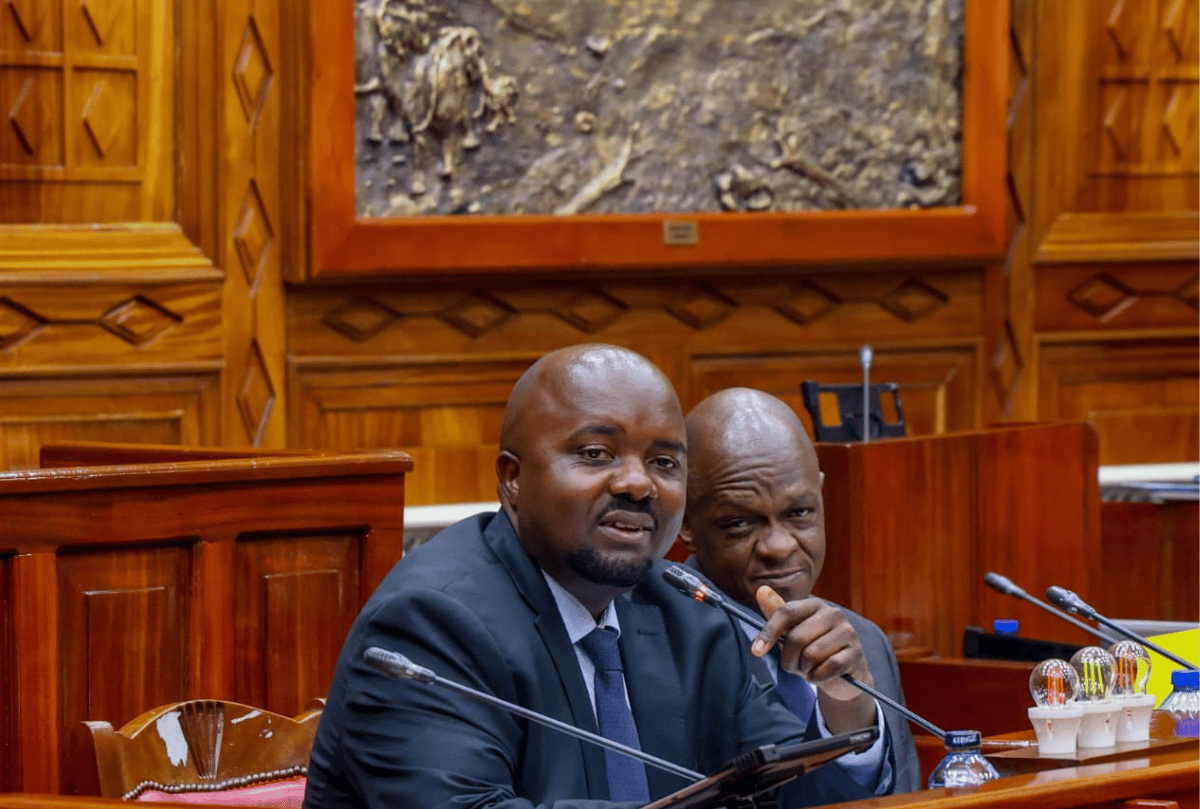
Kenya’s senior government officials have defended and clarified the performance of the country’s digital payments platform, eCitizen, during a session before the Public Accounts Committee (PAC) in Parliament. The appearance followed an Auditor-General’s Special Audit Report examining the platform’s governance, performance, and oversight structures.
Principal Secretaries from key ministries—including the National Treasury, ICT, and Immigration—appeared before the committee chaired by Hon. Tindi Mwale to address concerns raised in the audit. The delegation included Eng. John Tanui, Principal Secretary for the State Department for ICT and Digital Economy; Dr. Chris Kiptoo of the National Treasury; and Dr. Belio Kipsang of Immigration and Citizen Services. Dr. Kiptoo led the briefing on behalf of the team, outlining the platform’s development and current performance.
The officials traced the evolution of eCitizen from its initial rollout in 2013 as an International Finance Corporation (IFC)-supported pilot project to its current status as a central digital government service platform. Today, the system hosts more than 22,000 government services, making it one of the largest integrated e-government platforms in Africa and a key driver of Kenya’s digital transformation agenda.
According to the presentation, eCitizen has significantly improved public revenue collection, with daily inflows rising from under KSh 60 million in the manual system era to over KSh 600 million at present. The officials attributed this growth to improved transparency, reduced revenue leakages, and the digitization of government services, which has streamlined payments and service delivery for citizens.
They further emphasized that the platform has transformed access to public services by enabling citizens to apply for and pay for government services online at any time, reducing both time and cost burdens associated with physical visits to government offices. eCitizen is now widely described as the digital face of government in Kenya.
In response to the Auditor-General’s findings, the Principal Secretaries acknowledged areas requiring improvement but confirmed that governance and oversight mechanisms have already been strengthened. They noted ongoing efforts to enhance system resilience, accountability, cybersecurity, and data protection to safeguard citizen information and ensure platform stability.
The officials reiterated that eCitizen remains a critical national asset supporting transparency, efficiency, and improved public financial management. They reaffirmed the government’s commitment to continuous upgrades and to building a secure, citizen-centered digital government system that delivers services with greater trust and efficiency.
