

The discussions focused on advancing a structured and data-driven investment system aimed at improving Egypt’s global competitiveness and attracting high-quality investments that support sustainable economic growth.
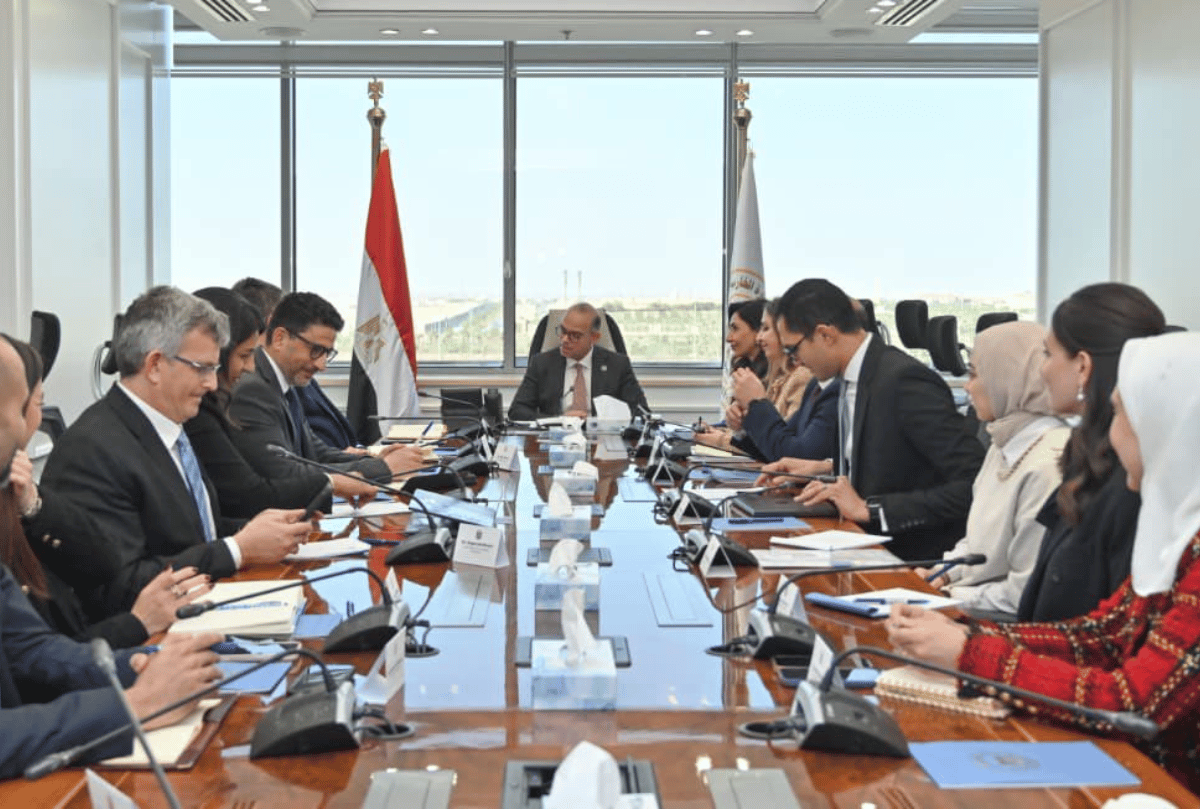
The Ministry of Investment and Foreign Trade held an extended meeting with representatives of the International Finance Corporation (IFC), during which the Minister, Dr. Mohamed Farid Saleh, reviewed ongoing efforts to enhance Egypt’s investment environment and strengthen international cooperation. The discussions focused on advancing a structured and data-driven investment system aimed at improving Egypt’s global competitiveness and attracting high-quality investments that support sustainable economic growth.
Dr. Saleh emphasized that the ministry is working to develop a modern investment framework built on clear key performance indicators (KPIs), accurate metrics, and updated data dashboards. This approach is intended to ensure transparency and objectivity in evaluating investment performance, with indicators such as foreign direct investment inflows, the number of new businesses, and strategic sector growth being closely monitored on a monthly basis. He also highlighted plans to update and integrate national databases with advanced systems to support informed decision-making and improve control over import and export data.
A key focus of the meeting was the promotion of sustainable financing and the establishment of professional investment funds to support start-ups. These funds are designed not only to provide capital but also to engage international partners as strategic contributors, helping to shape project selection and monitor performance for long-term success. The minister noted that this initiative is part of a broader effort to build a robust ecosystem that supports entrepreneurship and innovation.
The discussions also explored opportunities related to Egypt’s carbon market as a pathway to attract green investments. The ministry aims to expand carbon trading mechanisms, encourage the issuance and trading of renewable energy certificates, and link environmental initiatives with community development programs. This includes using carbon-related revenues to support small-scale environmental and agricultural projects, thereby achieving both economic and social impact while reducing emissions.
Digital transformation was another major theme, with plans to introduce a TradeTech Sandbox—a regulatory innovation environment that leverages financial technology, big data, and advanced analytics to enhance foreign trade. This platform would integrate data from multiple government entities and international sources, enabling more accurate market insights and helping to identify new export and investment opportunities. Artificial intelligence startups are expected to play a role in developing tools to analyze this data and generate actionable insights for stakeholders.
Additionally, the meeting highlighted the importance of stakeholder mapping as a tool for precisely targeting investors and aligning opportunities with real market demand. The minister also stressed the significance of developing human capital within the ministry and related institutions, ensuring that teams are equipped with the skills needed to manage investments effectively and uphold high standards of service delivery.
At the conclusion of the meeting, Dr. Saleh reaffirmed the ministry’s commitment to expanding cooperation with international partners like the IFC. He noted that Egypt is pursuing an integrated vision centered on digital transformation, transparency, and institutional capacity building, all aimed at creating a more attractive investment climate, boosting exports, and strengthening the country’s overall economic competitiveness.
