

Despite this, HAC stressed that freedom of expression, including the right to critique and comment, remains a protected right under Gabonese law.
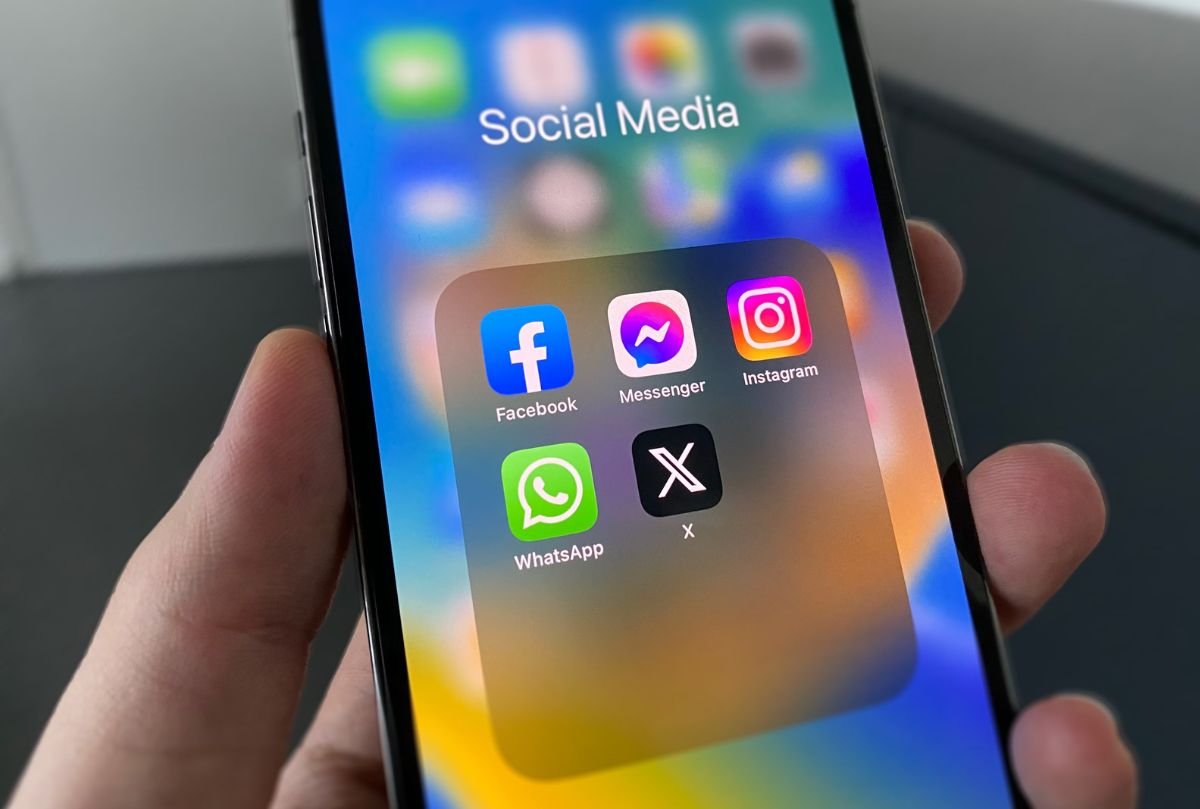
Gabon has moved to restrict access to social media, joining a growing number of African nations using digital controls to manage periods of social tension. The High Authority for Communication (HAC), the country’s media regulator, announced that the suspension of platforms will be in place indefinitely.
Officials explained that the measure is intended to curb the spread of misinformation, online harassment, and the sharing of private data without consent. The regulator also cited content considered harmful or offensive as contributing to threats to public security and the dignity of citizens.
The suspension takes immediate effect and will remain until further notice. Partial disruptions to various social media platforms have been reported, though HAC has not disclosed which services are affected or whether the restrictions are comprehensive or selective.
The decision comes as Gabon faces mounting social pressures less than a year after President Brice Oligui Nguema assumed office. Teacher strikes over pay and working conditions began in December 2025, with unrest now spreading to health and broadcasting workers threatening similar industrial action. While the regulator framed the suspension as a safeguard against online harms, critics note that it coincides with rising public dissatisfaction over living costs and labor issues.
Gabon’s actions reflect a broader trend across the continent. Governments in several African countries have temporarily blocked social media during elections or protests. In 2025, Tanzania restricted nationwide Internet access during elections and had previously limited X (formerly Twitter) access. In 2021, Nigeria suspended Twitter for seven months after it removed a post from then-President Muhammadu Buhari, while Uganda temporarily blocked Facebook and other platforms around its general elections.
Digital rights groups and organizations such as UNESCO warn that shutting down social media can restrict free expression, hinder access to information, and disrupt economic activity. Despite this, HAC stressed that freedom of expression, including the right to critique and comment, remains a protected right under Gabonese law.
