

The programme will be delivered in four cohorts between March and May 2026, with a focus on ethical and risk considerations, including algorithmic bias, misinformation, data privacy, and cybersecurity.
Ghana has launched a nationwide artificial intelligence (AI) literacy programme for civil servants, marking a significant step in strengthening public sector capacity to support its digital transformation agenda. The initiative is being led by the Ministry of Communication, Digital Technology and Innovations in partnership with UNESCO.
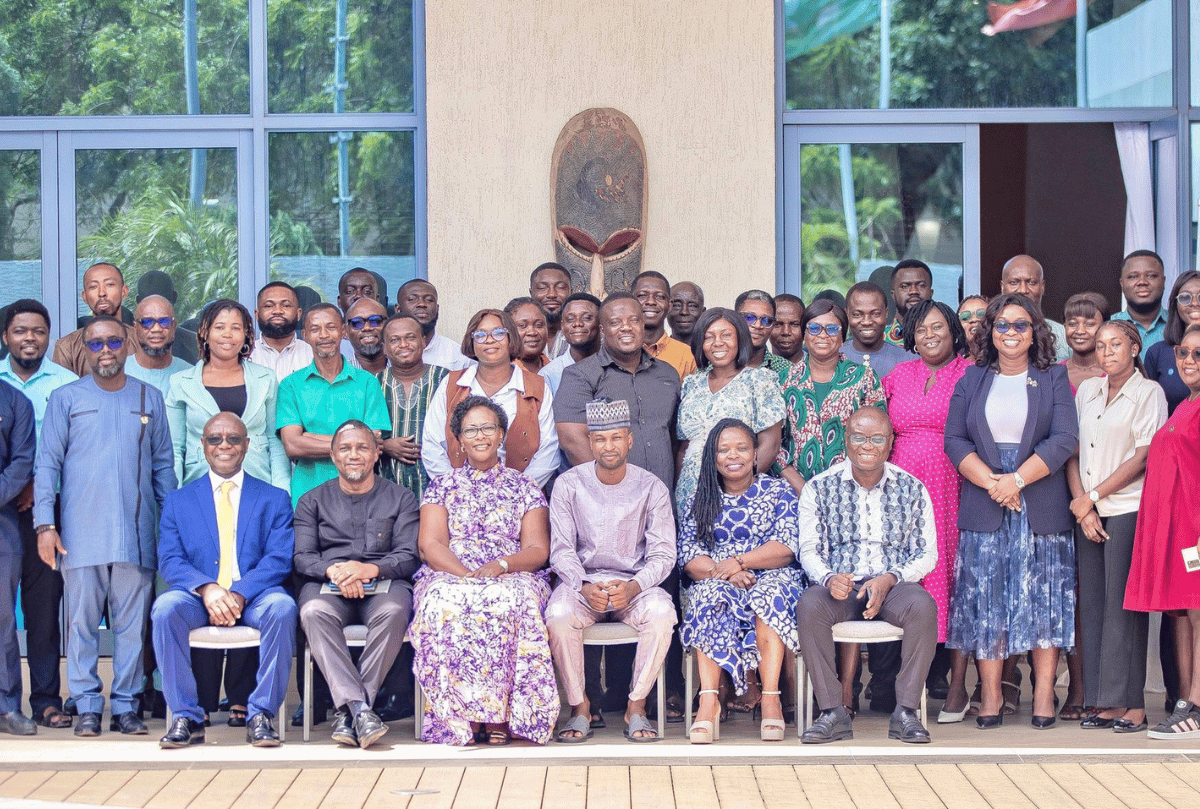
The first cohort of the three-day training programme commenced from March 24 to 26, 2026, at the Best Western Premier Hotel in Accra. The programme is designed to equip civil servants with foundational AI knowledge and practical skills to enhance public service delivery and support the implementation of Ghana’s National Artificial Intelligence Strategy (2023–2033).
Speaking at the opening session, the Ministry’s Director of General Administration, Alfred Nortey, highlighted the growing importance of AI in government operations. He noted that the technology offers opportunities to improve efficiency, strengthen policy development, and enhance service delivery, while also requiring careful governance and ethical oversight. He added that the initiative adopts a Training-of-Trainers model, enabling participants to cascade knowledge across Ministries, Departments, and Agencies.
The training curriculum covers key AI concepts such as machine learning, neural networks, and the broader AI development process. Participants are also introduced to the differences between predictive AI, which forecasts outcomes, and generative AI, which creates new content. Strong emphasis is placed on human oversight to ensure accountability, accuracy, and responsible deployment of AI systems.
The programme will be delivered in four cohorts between March and May 2026, with a focus on ethical and risk considerations, including algorithmic bias, misinformation, data privacy, and cybersecurity. These elements are intended to prepare civil servants to integrate AI responsibly into public sector operations.
Representing the Office of the Head of the Civil Service, Dr. Elizabeth Obeng-Yeboah encouraged participants to take a leading role in translating national AI policy into measurable outcomes. She emphasized the need for public officials to embrace AI as a tool for improving governance while upholding principles of fairness, transparency, and accountability.
Facilitated by experts including UNESCO consultants and AI governance specialists, the initiative is expected to build institutional capacity, foster collaboration, and position Ghana’s civil service to deliver more innovative, efficient, and citizen-centred services in the digital era.
