

Two Years in the Making: The Africa Pavilion
The pavilion’s debut at MWC Barcelona grew out of an initiative launched roughly two years ago by the six largest mobile operators in Africa. The collective goal was to find ways to jointly tackle some of the continent’s most persistent digital challenges, from device and data affordability to the need for locally relevant content and languages. Bringing that shared work into a single, visible space at MWC was the natural next step, giving the global ecosystem a place to see what Africa is building and explore how to collaborate.
Devices, Languages, and the AI Entry Point
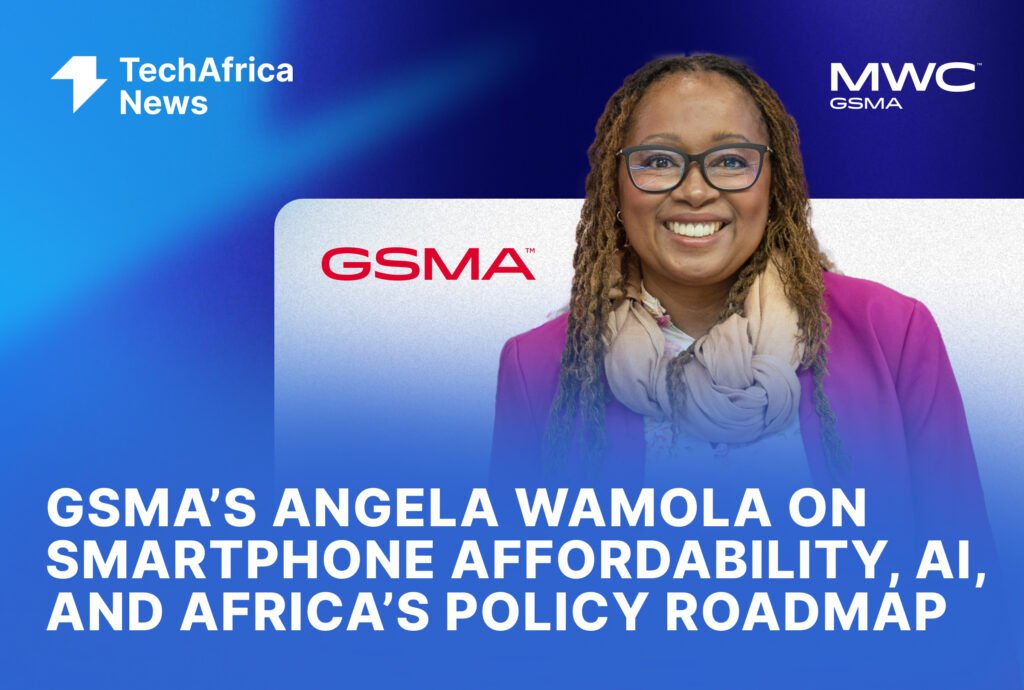
Wamola described the core mission plainly: getting devices into people’s hands. Ministers, device manufacturers, and mobile network operators have all been part of conversations at MWC about how to make that a reality, building on the handset affordability initiative announced in Kigali in October 2024, which set minimum specifications for a $40 4G smartphone. Pilots are now being planned across six countries.
But connectivity alone is not enough. Wamola stressed that once people have a device, they need to find content in their own languages. That is where AI comes in, not as an abstract technology trend, but as a practical tool for developing language models that incorporate Africa’s 2,000-plus languages. The response from developers and innovators at Barcelona, she noted, has been positive.
Policy Blueprints and the Fiscal Imperative
On the digitalization reports GSMA has produced for multiple African countries, Wamola pointed to a consistent finding: every nation already has a national strategy, but the gap lies in translating that ambition into the policies and regulations that actually enable investment and innovation. GSMA’s approach has been to identify four specific policy recommendations per country, each tied to measurable outcomes such as new jobs, additional mobile internet subscribers, and increased government revenues.
Asked for the single most important policy lever, she did not hesitate. Fiscal policy. Reducing customs duties on devices and removing excise duty on data are the interventions that most directly drive affordability. She pointed to India as a reference point, where the cost of one gigabyte of data dropped from three dollars to nine cents over three years through coordinated government and private sector action.
“I think the biggest one is fiscal policy because that affects the affordability of both devices and data. Without addressing incentives, such as reducing taxes on customs duties for devices or removing excise duties on data, it will be difficult to lower costs.”
-Angela Wamola, Head of Africa, GSMA
What to Expect in 2026
Looking ahead, GSMA will continue rolling out digitalization reports across new markets, with Madagascar, Malawi, and Tanzania among those in the pipeline. The AI language model initiative will press forward, with an open call for partners to join the ecosystem. And the smartphone affordability pilots will advance in the six countries announced during MWC, namely DRC, Nigeria, Tanzania, Uganda, Ethiopia, and Rwanda, with additional countries having already expressed interest in Barcelona.
Wamola closed with characteristic resolve. Optimism, she said, is not optional. It is the only way to keep pushing.
