

Overall, the initiative reflects the Nigerian Communications Commission’s effort to strengthen consumer protection, improve service accountability, and ensure a more reliable telecommunications experience across Nigeria.
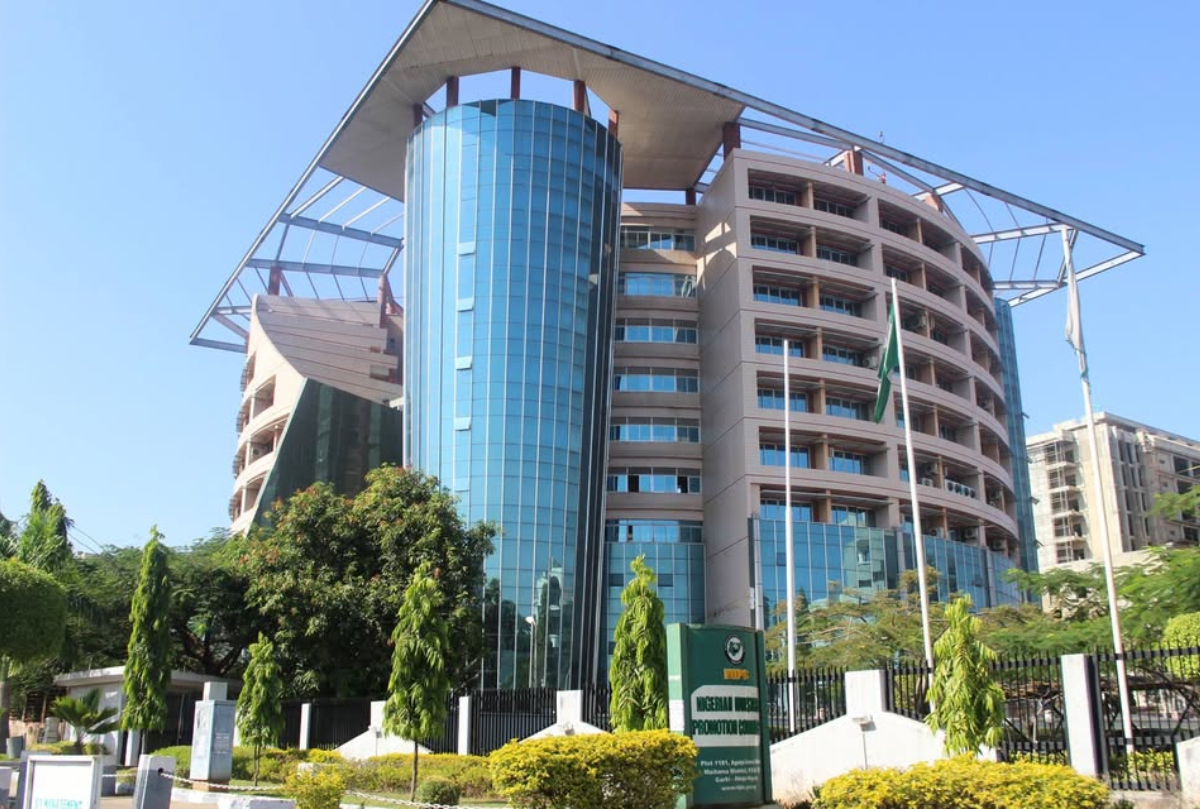
Nigerian Communications Commission has introduced a new directive requiring Mobile Network Operators (MNOs) to compensate subscribers for prolonged or repeated poor network service in specific locations. The framework, which takes effect from April 2026, is designed to address persistent service failures where operators fall short of established Quality of Service (QoS) Key Performance Indicators (KPIs). It builds on existing consumer protection regulations, including the Consumer Code of Practice and QoS Regulations, by adding a direct compensation mechanism for affected users.
Under the directive, both individual and corporate subscribers may qualify for compensation if they experience poor network service within affected Local Government Areas and have made at least one billed activity—such as a call, SMS, or data usage—during the relevant period. The policy applies specifically to licensed MNOs in Nigeria that fail to meet required service standards, while Internet Service Providers already operate under a separate compensation framework.
Compensation will be issued automatically, without the need for subscribers to file complaints. Operators are mandated to monitor network performance and identify impacted users based on verified service disruptions. Eligible subscribers will receive compensation in the form of airtime credits, which can be used freely for calls, data, USSD sessions, and other services. The amount will be calculated based on factors such as the subscriber’s usage during the affected period and the extent of the operator’s service failure in that area.
The framework covers disruptions affecting voice, data, and SMS services, but only where service quality falls below regulatory thresholds. Short or quickly resolved outages may not qualify. Additionally, compensation applies only to Nigerian subscribers who were active in the affected areas, while foreign SIM users roaming in Nigeria are excluded.
Subscribers will be notified via SMS once compensation has been credited, including details of the amount and reason. The directive also clarifies that compensation will only apply to service issues recorded from November 2025 onward, and will be triggered only after the Commission confirms that an operator has breached its performance standards.
While the compensation mechanism provides direct relief to users, it does not replace existing penalties. Operators may still face regulatory fines for severe or repeated violations. The NCC will oversee compliance through continuous monitoring and may conduct independent audits to ensure adherence. However, exceptions may apply in cases of force majeure, such as vandalism, fibre cuts, or natural disasters, where the Commission will determine whether compensation is warranted.
Overall, the initiative reflects the Nigerian Communications Commission’s effort to strengthen consumer protection, improve service accountability, and ensure a more reliable telecommunications experience across Nigeria.
