

After weeks of rumors and hype, Nothing and Google have revealed their midrange phones. Nothing will skip a flagship release in 2026, yet the bright and wallet-friendly Phone (4a) Pro steps in to take that spot. I’ve felt the urge to ditch the Apple ecosystem and grab a Nothing phone since the design pulls me in. At the same time, a voice in my head asks if other phones at this league offer stronger specs. The Phone (4a) Pro starts at $499, which matches the price of the Google Pixel 10a. In this Nothing Phone (4a) Pro vs. Google Pixel 10a guide, I break down both phones so you can weigh each option and pick more than a cool look.
Design
Nothing Phone (4a) Pro
True-blood midranger with 140x ultra zoom
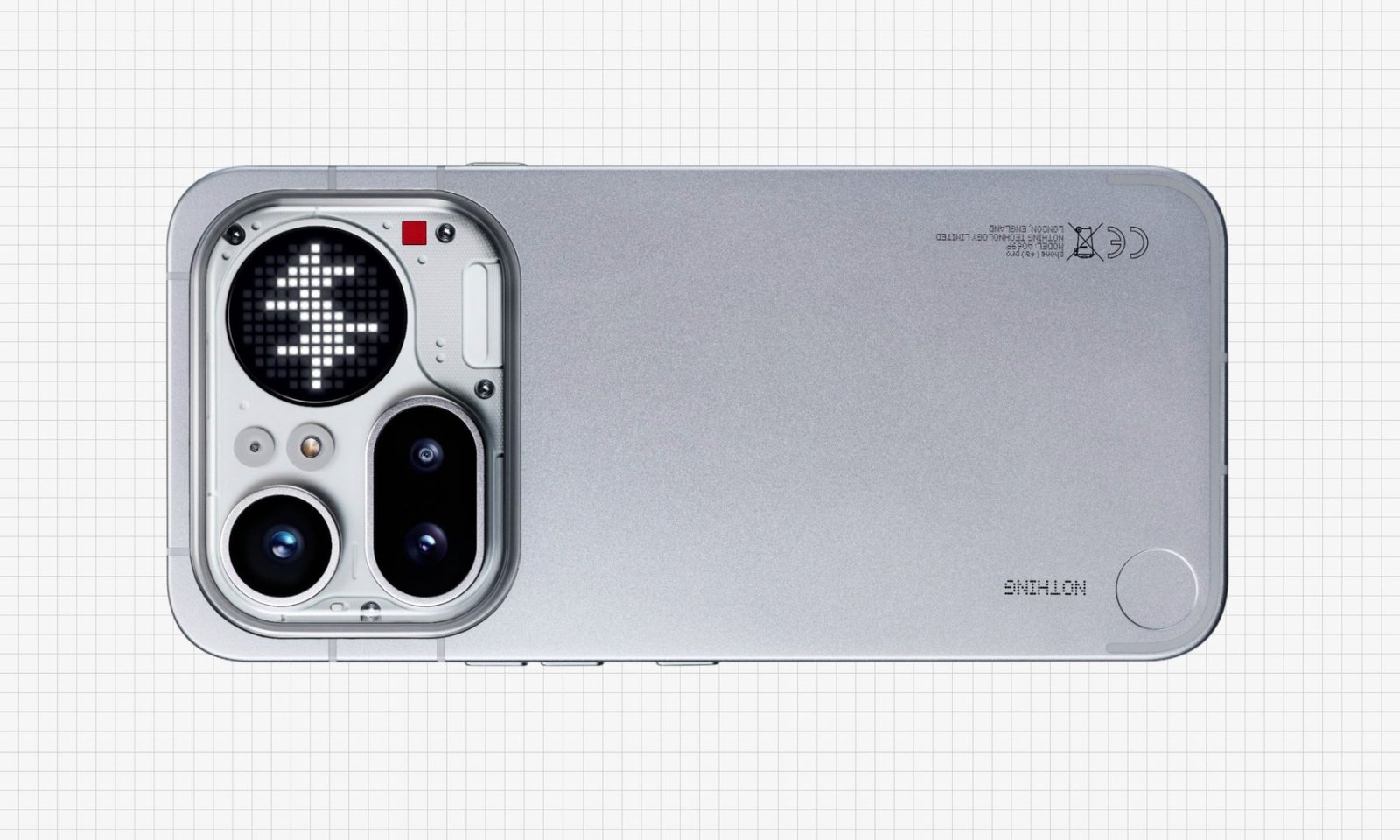
The Phone (4a) Pro uses a full metal aluminum frame, flat surfaces, and a slim 7.95 mm body. That build makes it the slimmest full-metal Nothing phone so far. The Pixel 10a comes in thicker at 9 mm.
Last year’s Nothing Phone (3a) Pro went in a different direction with its look. The cameras sat in an uneven layout and Glyph LEDs wrapped the round camera module. This year Nothing trims the design and tightens the whole style. The brand also moves the Glyph Matrix from the old flagship, the Nothing Phone 3, into the midrange line with the Phone (4a) Pro. I like that change since I can check the time or a timer with no need to flip the phone and unlock the screen. The option that lets select contacts trigger a glyph alert, plus unique animation for each one, makes me envy Phone (4a) Pro owners who pick up their phone far less during busy moments.
The camera bump gives the only clear peek at the Phone (4a) Pro’s inner parts. That area holds the triple camera system and the Glyph Matrix screen. The Pixel 10a takes a different route with a flat back panel. When you place it next to phones with thick camera bumps, which include the Pixel 10, the flat surface feels fresh in the hand and on a desk. I haven’t not run into any wobble with my own phone though, and the bump on my iPhone has never hurt my day to day use since I keep a case on it and never run my finger across that area.
The Pixel 10a comes in four colors: Lavender, Berry, Fog, and Obsidian. Four options feel generous for a budget phone. The Nothing Phone (4a) Pro gives three choices: black, silver, and metallic pink.
Display
Google Pixel 10a
Affordable smartphone with “best-in-class camera system”
When I stack the Pixel 10a next to last year’s strong Pixel 9a, I spot many shared traits. One area where A-series Pixels shift each year involves peak brightness. The Google Pixel 10a hits a peak of 3,000 nits, which helps a lot under bright sun. By contrast, the Nothing Phone (4a) Pro pushes far past that mark. Nothing lists peak brightness up to 5,000 nits and adds touch sampling up to 2,500 Hz during gaming.
The Nothing Phone (4a) Pro packs a 6.83-inch AMOLED display with a 1260 × 2800 resolution, 450 PPI, and a 144 Hz adaptive refresh rate. The Google Pixel 10a uses a 6.3-inch Actua OLED display with a 1080 × 2424 resolution, 422 PPI, and a 60–120 Hz refresh rate. Both phones beat the iPhone 17e in this area, with smoother scroll and faster response in many games. Not every person notices the gap between 60 Hz and 120 or 144 Hz, yet once your eyes adjust to the higher spec, a return to the old rate feels rough.
Camera
Camera sensors keep growing in size, and phone makers add complex optics such as periscope zoom lenses. Brands must build larger camera bumps to fit that hardware while they keep the rest of the phone slim. The Pixel 10a avoids that bump with its flat back, yet that choice brings a trade-off. The camera sensor and image output sit below premium models and show less fine detail in low light. The specs show no major change. The phone still carries the same 48 MP main camera and a 13 MP ultrawide with the same aperture values. On the front, the phone uses the same 13 MP selfie camera. Even so, the photos and video work great for social media posts.
The Nothing Phone (4a) Pro steps up its camera system with a Sony main camera that includes OIS and a 50 MP 3.5x OIS periscope telephoto lens. That setup reaches up to 140x zoom, the longest zoom on any Nothing phone so far. Budget phones often skip fancy parts such as a telephoto lens, so I like that Nothing keeps one in the package.
A Sony ultrawide camera and a 32 MP wide selfie camera join the system. The (4a) Pro handles wide landscapes, natural portraits, far stages, and packed events with clear detail. TrueLens Engine 4 powers the system and supports Ultra XDR photos plus 4K Ultra XDR video. The phone uses HDR effects close to Dolby Vision, which brings rich color, bright highlights, and deep detail.
Performance
The Pixel 10a keeps much of the same hardware from the past model. It runs on the Tensor G4 chip from the Pixel 9a, which breaks the old pattern where Google placed its newest chip in the A-series line. The Phone (4a) Pro takes a step up with the Snapdragon 7 Gen 4 processor. That chip marks a jump from the Snapdragon 7s Gen 3 inside the Phone (3a) Pro. The new chip gives the Phone (4a) Pro a boost with a 27% faster CPU, 30% stronger graphics, and better AI tools.
Even with the old chip, the Pixel 10a still runs everyday tasks and casual games with no trouble. If you plan to run heavy games, the Snapdragon chip makes more sense. For light play though, Pixel phones handle the job with ease.
Related: Pixel 10a review—Should you buy Google’s entry-level phone?
Software and AI
The Phone (4a) Pro runs Nothing OS 4.1 based on Android 16 right out of the box. This version adds new touches such as resizable Quick Settings, a custom lock screen, improved Live Notifications, and faster app launch.
Nothing plans three major Android updates for the Phone (4a) Pro and up to six years of security support.
The Pixel 10a includes AI tools such as Camera Coach and Auto Best Take, features that came to Pixel phones in past updates. These tools help guide shots and combine frames so you can grab the best photo from a set.
Verdict: Nothing Phone (4a) Pro vs. Google Pixel 10a
I see strong value in each option. If you want a bold design, bright display, and a versatile camera setup with telephoto zoom, I’d point you toward the Nothing Phone (4a) Pro. If clean software, solid photos, and tight integration with Google tools matter more to you, the Google Pixel 10a makes a lot of sense.
I think Nothing brings more hardware for the price, which may appeal to you if specs rank high on your list. At the same time, you may prefer the Pixel if you value a simple interface and strong camera processing. In the end, I’d choose the Nothing phone for its features, but you still get an awesome experience with either device.
