

A Home of Their Own
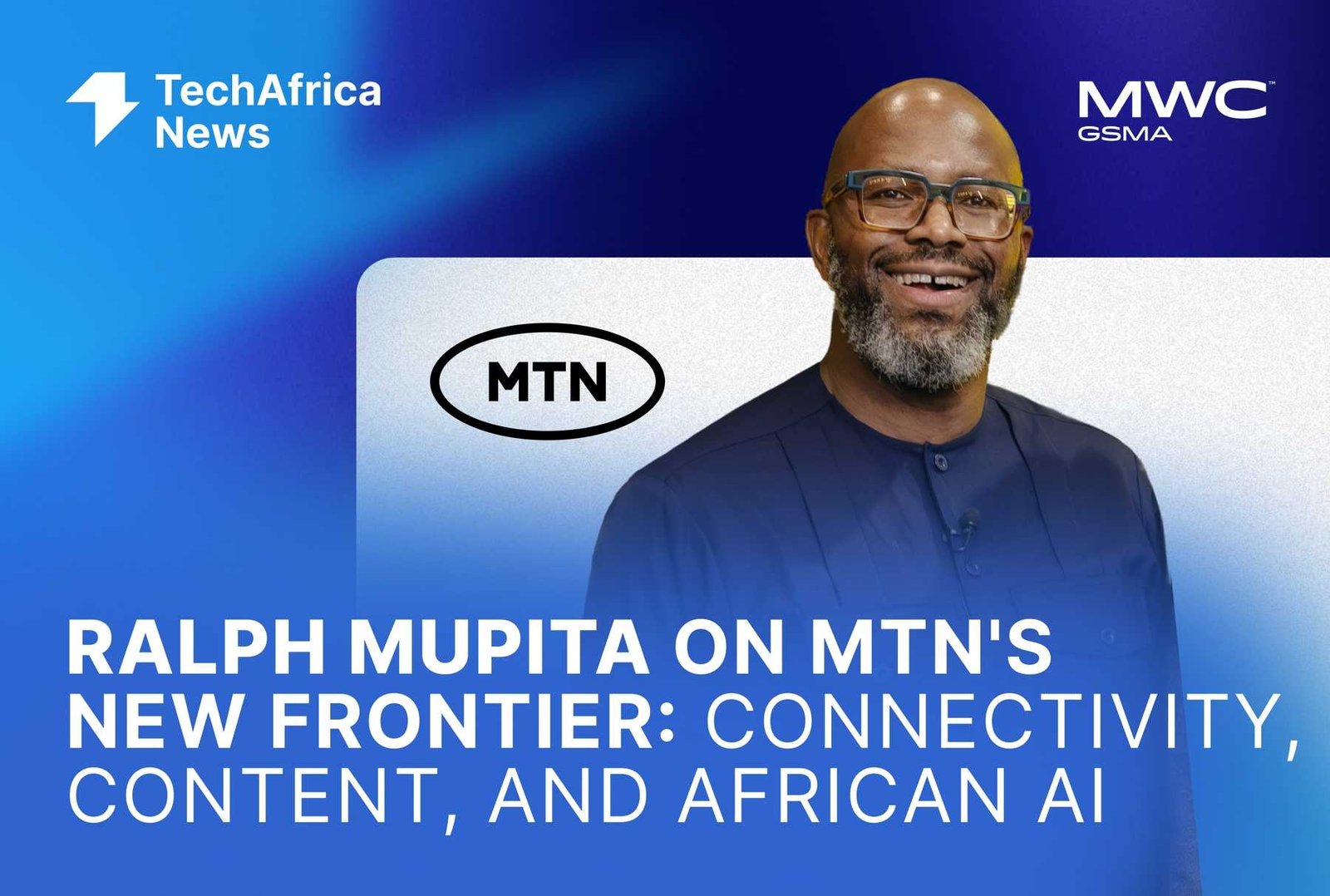
Mupita was visibly energized by MTN’s debut standalone presence at MWC. Previously hosted within other stands, the company now has its own space, and he framed it in terms that went beyond real estate. Being at MWC is about being at the table where decisions about the direction of technology evolution are made. Africa, he said, is not going anywhere, and the pavilion is the physical manifestation of that conviction.
300 Million Customers. 45% Still Offline.
With over 300 million customers across its markets, MTN’s scale is formidable. But Mupita was candid about what that number also reveals: 45 percent of those customers have never experienced the internet and remain in the voice era. Coverage, he argued, is largely a solved problem after two decades of infrastructure buildout. The real challenge now is usage, and the single biggest lever for closing the usage gap is handset affordability. MTN’s response has been to announce a partnership with OEMs willing to commit to volume at the $40 price point, combined with device financing to bring more Africans into the digital economy.
African Languages in the AI Era
The second major initiative Mupita highlighted was the collective effort by African operators to bring Africa’s 2,000-plus languages into large language models. The argument was straightforward and pointed: Africa cannot afford to be left out of the AI era, and that means ensuring the continent’s languages are represented in the models that will shape how people access information, services, and opportunity. Small language models may also have a role to play, he noted, given the capital constraints many markets face.
From Connectivity to Content
One of the more forward-looking parts of the conversation came when Mupita turned to digital services. MTN, he said, does not want to be a dumb pipe. The average MTN customer currently uses 14 gigabytes per month, a figure he expects to more than double to 30-plus gigabytes within a few years, mirroring India’s trajectory. The strategic response is to move into content creation and digital services, not by building walls around African content, but by enabling Africans to create, not just consume. Global formats like short-form video work, he acknowledged, but there are local opportunities that MTN is better positioned to serve than any global platform.
“One of the observations that we’ve reflected on is we’ve been so focused on connectivity and we’ve done a good job, as I said, on coverage. I think the next frontier is how do we develop the digital services ourselves that we can have our customers consume. And for much, we will have a partnership approach to be sure. Partnership is part of our model. But if you think about content creation, whether it’s music or video, we want to participate in that.”
– Ralph Mupita, Group President and CEO, MTN Group
The IHS Deal: A Strategic Rethink on Infrastructure
Asked about MTN’s acquisition of IHS towers, Mupita walked through the strategic logic in detail. The tower sell-and-leaseback model that made sense 15 years ago, when markets had three to five players and inflation was stable, no longer fits the current environment. Markets have consolidated, inflation has spiked, and exchange rate volatility, particularly in Nigeria, has changed the calculus. At the same time, IHS shifted its own strategy toward asset disposal rather than expansion into emerging markets. The two trajectories converged, and MTN moved to reintegrate tower infrastructure into its own balance sheet. In a world increasingly shaped by a geotechnology lens, Mupita said, owning or part-owning digital infrastructure is strategically essential, and towers fit neatly within MTN’s three-to-five-year framework of connectivity, fintech, and digital infrastructure.
What MWC Confirmed
Mupita left Barcelona with three things. First, validation that MTN’s strategy is the right one. Second, a growing conviction that AI’s evolution will enable Africa to leapfrog some of its structural challenges rather than being left behind by them. And third, a reminder that the role of the digital economy has never been more important in a complex and shifting world. MTN currently serves 300 million people. Mupita has his sights set on the next 100 million over the following five to seven years.
