

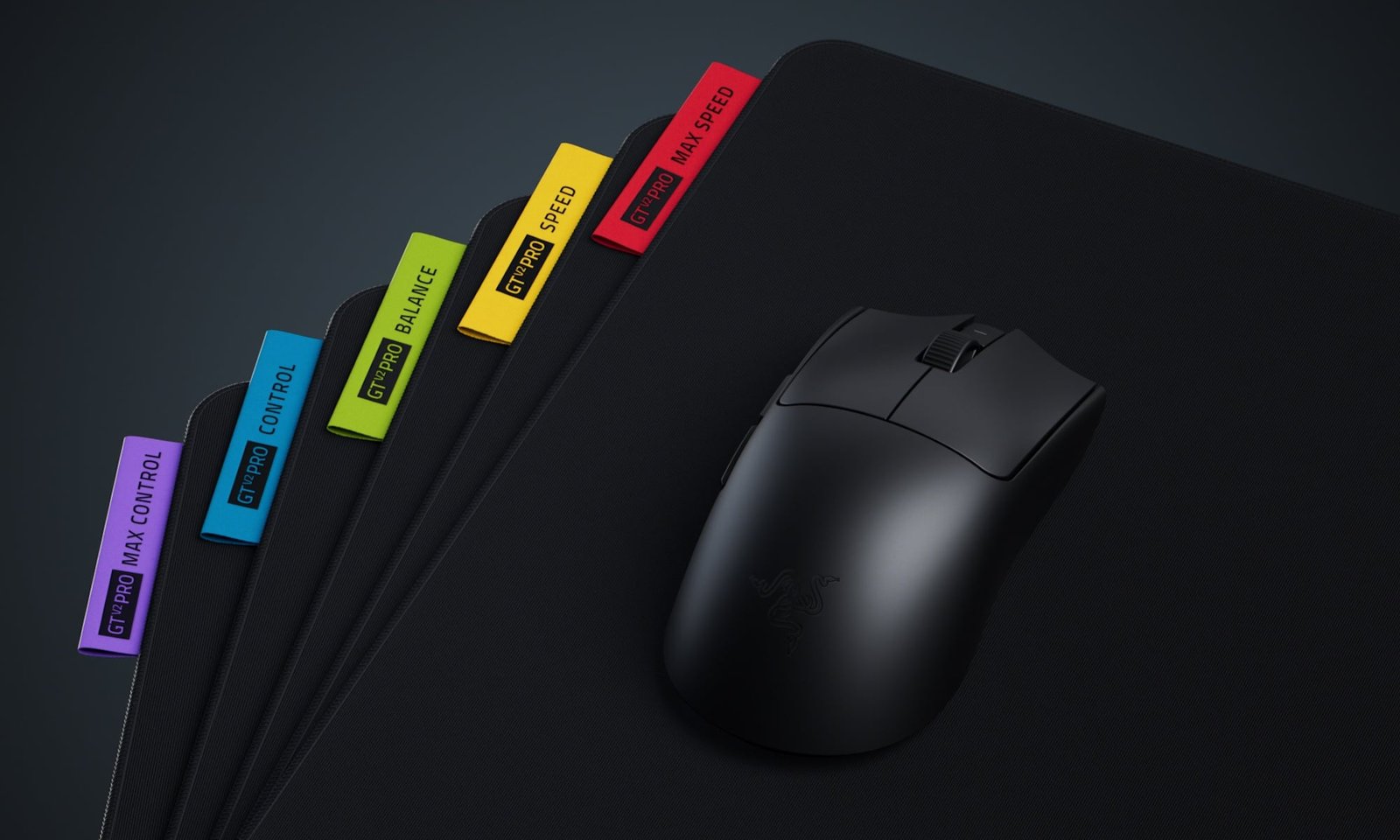
I don’t usually compare gaming gear brands to Apple. But the Razer Viper V4 Pro ecosystem makes that parallel ever more apparent. Take the recent launch of the Razer Viper V4 Pro and Gigantus V2 Pro mouse mats. On paper, they may look like separate products.
But it’s clear that Razer is positioning this as a combined performance setup—a precise, ultra-low latency mouse designed for a surface that can shape how that precision behaves. The Gigantus V2 Pro alone comes in five distinct speed profiles, each tuned for different playstyles. And that’s a big change.
Why the Razer Viper V4 Pro ecosystem feels Apple inspired
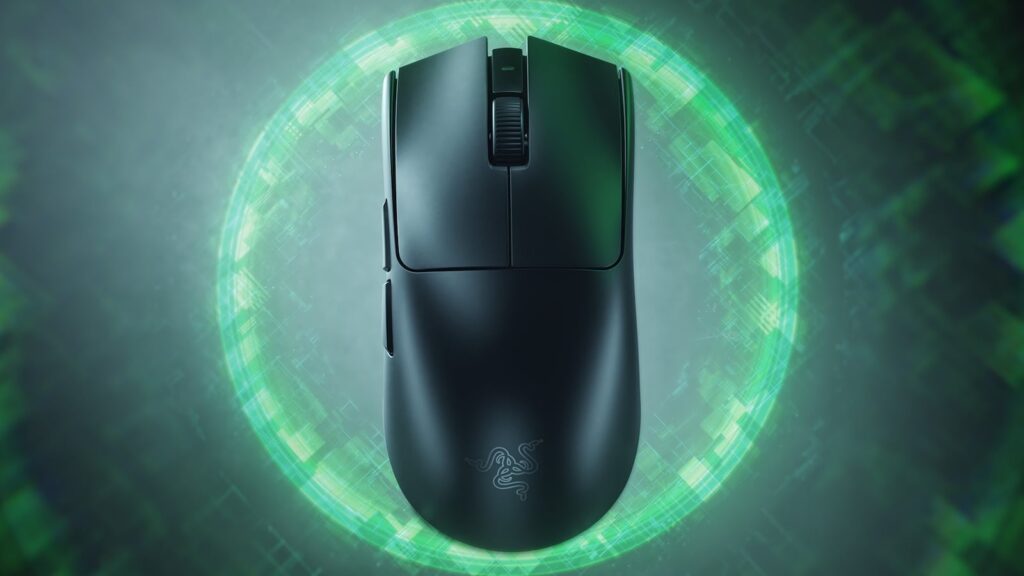
Sure, the iPhone is a great product. But pair it with AirPods, MacBooks, Apple Watch, and iCloud, and you’ve got a setup that’s hard to leave. That same logic is starting to show up with gaming gear. Razer has improved the Viper V4’s specs—and added interdependence.
The Viper V4 Pro delivers gamers extreme responsiveness—up to 8,000 Hz polling and sub-millisecond latency. At the same time, the mouse mat decides how that responsiveness translates into movement and control. So one without the other would be fine. But used together? You get a dynamic duo that shaves off time. And on the digital playing field, every millisecond matters.
The Razer Viper V4 Pro ecosystem changes how you play
Sure, the Viper V4 Pro’s speed is impressive. But I’m intrigued by how personal the new setup feels. Take the mouse mat. Five surface types sound like marketing fluff, but they can actually change how you play. You pick one, adjust your sensitivity around it, and after a while, your movements just start to sync with it.
That’s very different from how gaming peripherals used to be. You could mix and match freely, and it didn’t really matter. Most gear was interchangeable, and good enough was fine. This is a step beyond.
And it’s also how setups start to stick
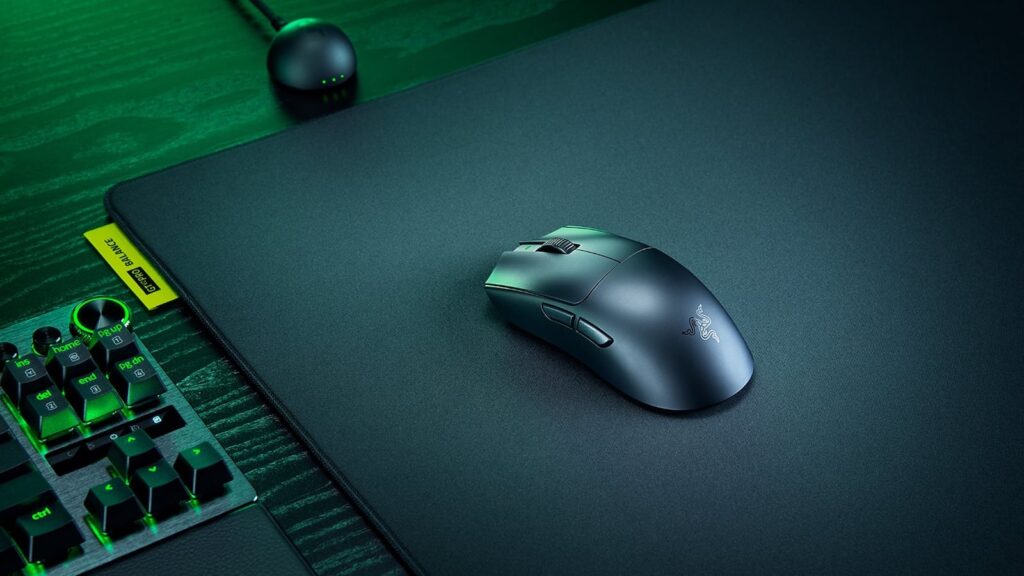
We’ve seen this idea play out before with Apple. The ecosystem is so popular because the products work together seamlessly. And, after some time, that’s familiar and consistent—something you rely on.
Razer seems to be tapping into a similar idea—but instead of doing it through software, it’s doing it via design. The weight of the mouse, the glide of the surface, the way your aim settles over time—it all adds up. They’re small changes, but Razer is betting that once you get used to it, it’ll be a setup you don’t want to mess with.
Where this is heading
I’ve seen this kind of playbook before—and it works. At first, I’m looking at this like any other gaming mouse upgrade. The clicks are faster, the body’s lighter…all the usual stuff. But if the mouse/mat synergy is as good as Razer claims, this could be a duo that gamers lean on.
From now on, you might not be chasing Razer’s “next best mouse,” but trying to keep the setup that already feels right. And yep—the Razer Viper V4 Pro ecosystem feels a lot less like a product launch, and way more like a strategy.
Lauren has been writing and editing since 2008. She loves working with text and helping writers find their voice. When she’s not typing away at her computer, she cooks and travels with her husband and two kids.
