

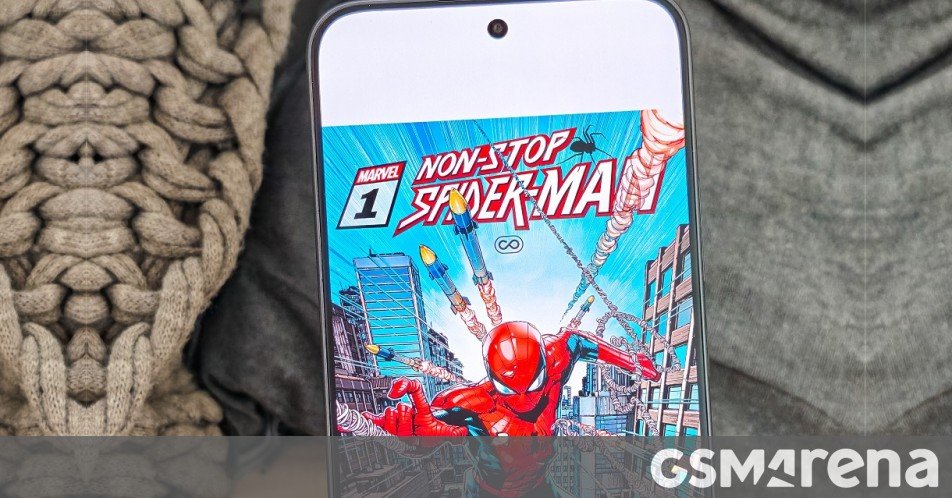
TCL continues its quest to make digital displays feel as natural as paper. After several generations of NxtPaper displays, which were based on LCD panels, the company has created its first NxtPaper AMOLED display.
It tackles several issues that make digital displays feel, well, digital and that put strain on our eyes. The end goal is paper-like comfort for reading but also vibrant images with true-to-life colors for photos and videos.
A major breakthrough was the upgraded Circular Polarizer Light (CPL) technology. It achieves a polarization rate of 90%, which is way up from 57% for the previous generation.
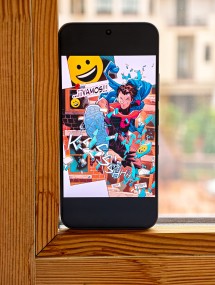
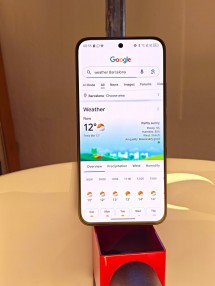
The first AMOLED-based NxtPaper display from TCL CSOT
TCL CSOT applied nano-matrix lithography technology to the AMOLED NxtPaper display to significantly reduce ambient light reflections and glare. Reflected light is a big factor in eye fatigue.
Throughout the day, the display can automatically adjust its brightness and color temperature to align with your circadian rhythm and ambient conditions. The new panel improves the filter for harmful blue light by 15% compared to the previous generation, so the total level is now down to 2.9%.
The display can reduce its brightness all the way down to 1 nit for late-night reading. Additionally, it offers an Adaptive Reading Experience, which tweaks the background color for text based on ambient light conditions.
While the focus is on eye comfort, the new NxtPaper panel is a capable AMOLED display for general use too. It has 100% coverage of the DCI-P3 color space with perfect color accuracy (deltaE < 1).
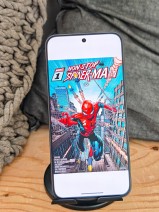
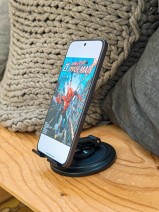
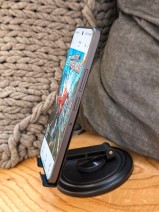
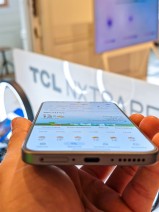
Checking the viewing angles on the NxtPaper AMOLED display
It can reach a peak brightness of 3,200 nits for outdoor use, but its lower reflectivity ensures that the display will rarely need to go to full blast. Also, it supports 120Hz refresh rate for smooth scrolling and high-FPS use cases.
TCL CSOT’s presentation at the MWC was about the display technology, but the company did confirm that the first devices to use the NxtPaper AMOLED display are coming later this year – a smartphone will be first (you can see a prototype smartphone display above).
