

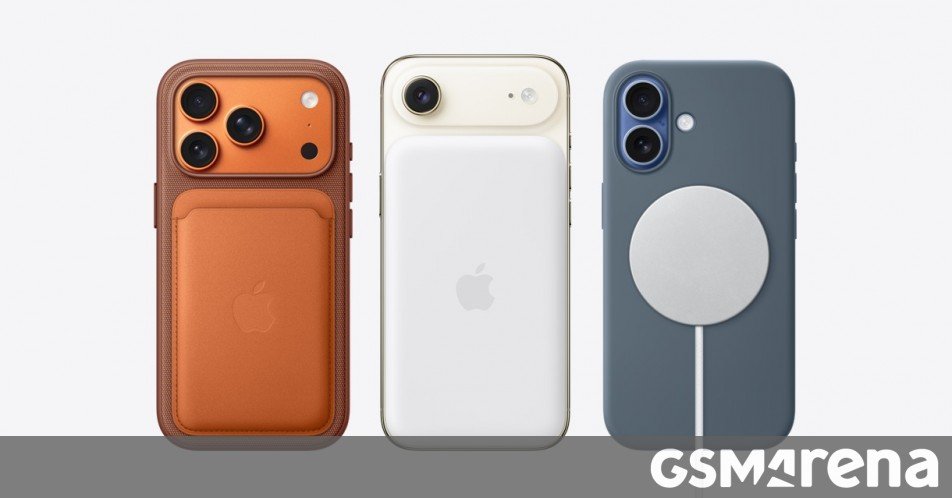
Apple introduced MagSafe wireless charging in 2020 with the iPhone 12 series. In contrast to regular wireless charging, it uses magnets rather than relying on manual alignment between the charging coils or on gravity to keep the phone and charger together. It is a simple, cheap and effective solution.
So why is it that smartphone makers have been so reluctant to adopt it, even years after the Qi standard officially added a Magnetic Charging Profile? Perhaps it’s better to ask this instead – do you care whether your phone has magnets for wireless charging?
First, a bit of history. The HMD Skyline was the first Android to feature built-in magnets. Then, several Chinese makers adopted a half measure – magnets inside select cases. But now Google has jumped on the bandwagon with the Pixel 10 series and Pixelsnap accessories. Also, Samsung’s Magnet Wireless Charger has already surfaced ahead of the Galaxy S26 series launch.
We can already hear some of you typing a comment to say that you don’t use wireless charging. But here’s the thing – the magnetic attachment is useful for other things too, things like phone holders for your car or small wallets for the back of your phone. Third-party companies are coming up with new uses all the time too, e.g. there are MagSafe camera grips, MagSafe external SSDs, MagSafe game controllers and so on.
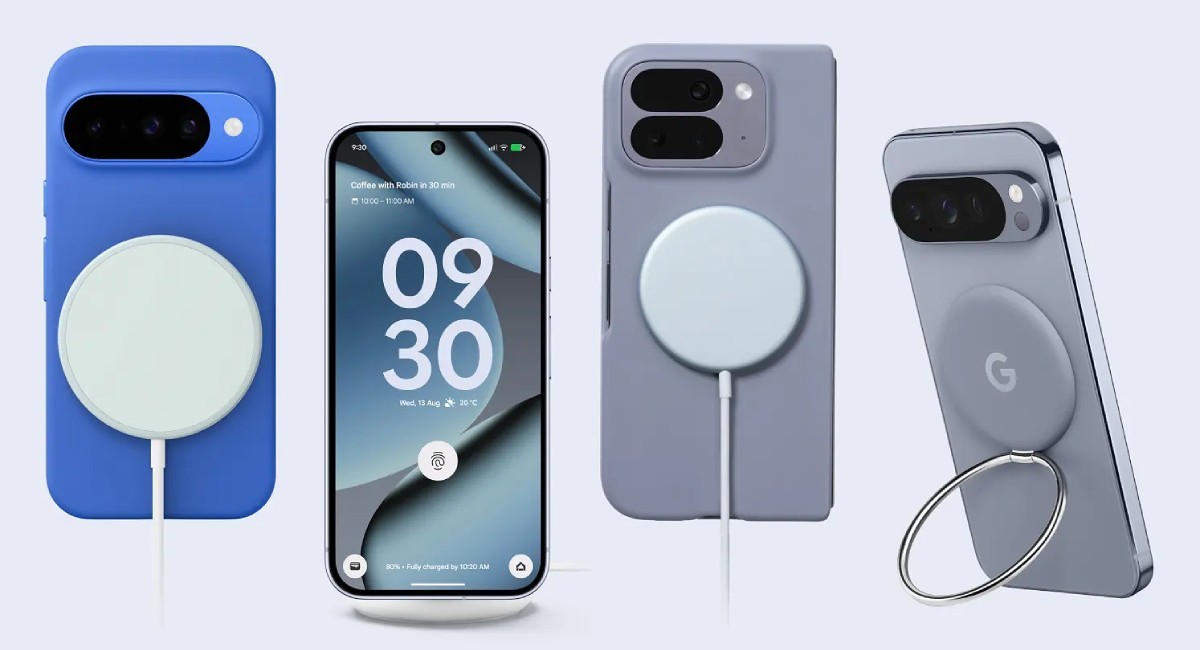
Because Android makers dragged their feet, Android phones have been missing out on all that. And the better wireless charging, of course, because misaligned coils mean heat and lost efficiency.
So, how important will the presence (or lack) of magnetic charging support be when you start looking for your next phone?
