

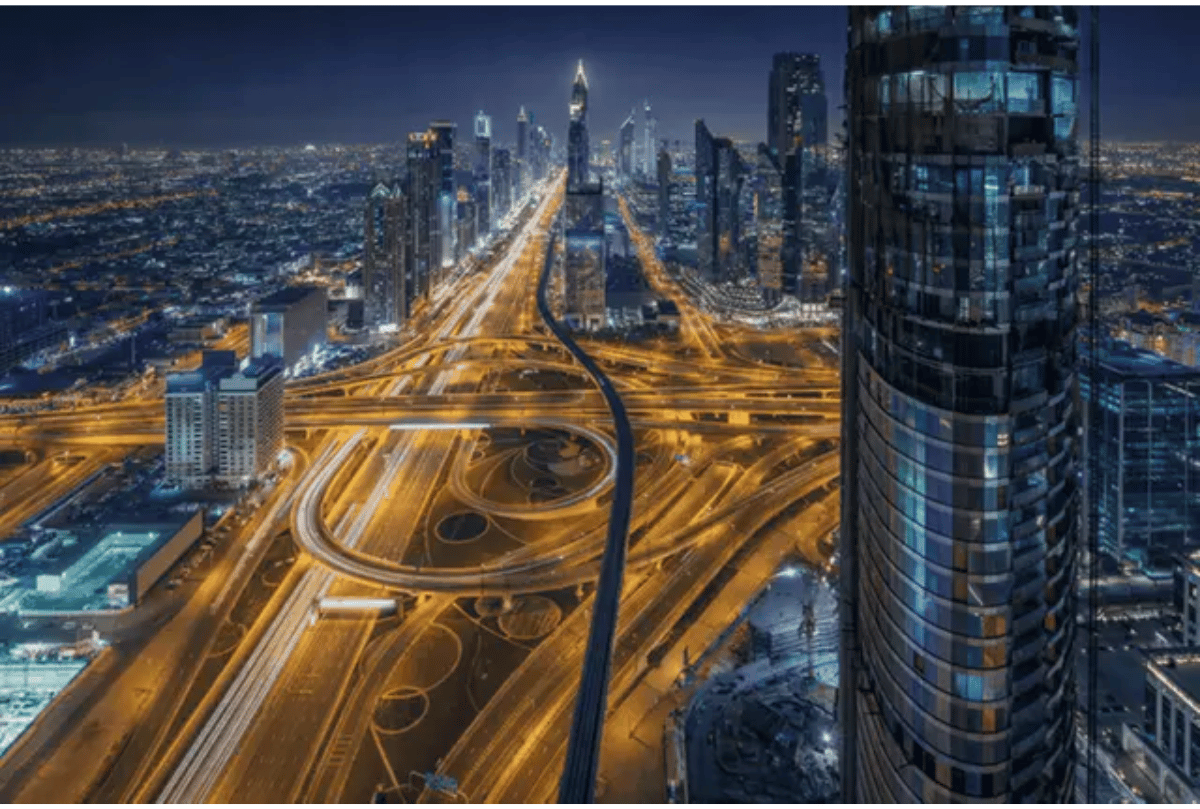
Yango’s system leverages machine learning models, real-time traffic data, and historical analysis to optimize journeys, processing multiple data streams to calculate the most efficient route in milliseconds.
Yango Group, the UAE-based technology company focused on digitalizing urban services, announced that its AI-powered routing technologies saved urban commuters more than 5 million hours in 2025 across more than 20 cities — equivalent to 600 years of human time returned to communities.
The analysis, based on millions of Yango Ride trips, demonstrates how intelligent routing can deliver tangible quality-of-life improvements at scale. Yango’s system leverages machine learning models, real-time traffic data, and historical analysis to optimize journeys, processing multiple data streams to calculate the most efficient route in milliseconds.
In the UAE, the AI-powered routing system delivered measurable time savings: Dubai users saved an average of 2.24% per trip, equating to 17,373 hours annually, while Abu Dhabi commuters saved 1.8% per trip, totaling 17,384 hours. Globally, cities also saw significant benefits — Lima reclaimed over 1.1 million hours annually, Kinshasa riders saved an average of 6.48% per trip, and Guatemala City achieved the highest efficiency gains at 6.99% per trip. In Abidjan, the most active riders gained more than 2 hours individually per year.
The technology continuously improves its accuracy through a self-learning feedback loop, analyzing road characteristics, traffic signals, turn complexity, and predictive congestion patterns. By optimizing traffic flow, Yango’s AI also contributes to urban sustainability, improving fuel efficiency, reducing emissions, and easing congestion.
The research highlights the growing role of AI as a critical component of modern city infrastructure, offering practical solutions to urban mobility challenges and demonstrating the potential for digital technologies to improve daily life for millions worldwide.
