

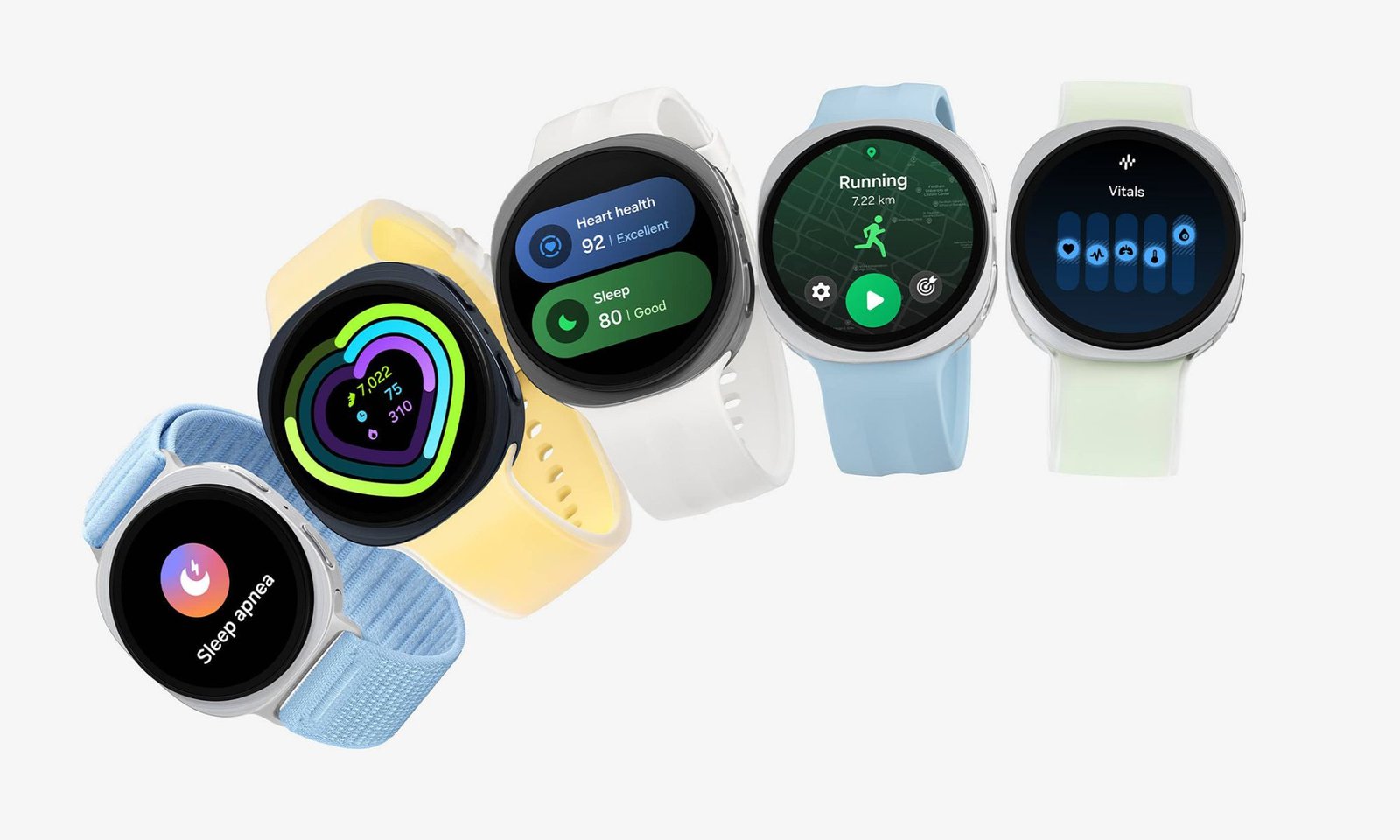
I spend more time thinking about my next hypertrophy block than I care to admit, and that obsession keeps spilling into how I track sleep, recovery, and heart data. Weighing the Galaxy Watch9 against the Galaxy Watch8 felt like the natural next rabbit hole for someone who treats his own body as an ongoing experiment.
Both watches chase the same idea, a small and comfortable health companion that watches your body all day and nudges you toward better habits. The Watch9 gives you a bigger battery and a new Snapdragon chip, while the Watch8 costs less despite looking and feeling almost the same. If you’re stuck between them, I get it. On paper, the differences seem smaller than the price gap.
Quick verdict
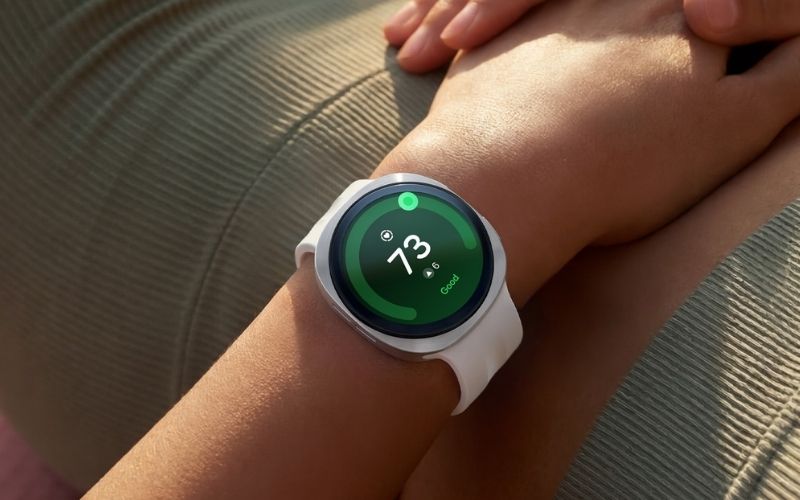
Buy the Galaxy Watch9 if you’re considering the 40 mm model. The larger battery alone makes it the better long-term buy. Pick the Galaxy Watch8 if you want the 44 mm version and find it on sale, because Samsung changed very little in that version. Overall, the two are close enough that the decision comes down to your wrist size and how hard you push the battery.
Battery through a lifting session and a full night
A hypertrophy workout followed by overnight sleep tracking puts a heavy load on a small smartwatch battery. The 40 mm Galaxy Watch8 carries a 325 mAh battery, and many owners struggled to finish a full day with the always-on display enabled. Samsung fixes that on the 40 mm Galaxy Watch9 by increasing capacity to 390 mAh, a 20% jump. That alone would convince me to spend more.
The 44 mm model is a different case. Samsung raises the battery from 435 mAh to 445 mAh, a gain I don’t think justifies the higher price. If I wanted the larger model, I’d save money and buy the Galaxy Watch8 instead.
The chip doing the quiet work
Both watches use a 3 nm processor, so the speed gap looks smaller than Samsung makes it sound. The Galaxy Watch8 runs Samsung’s Exynos W1000, while the Galaxy Watch9 switches to Qualcomm’s Snapdragon Wear Elite with built-in AI features. I don’t expect a huge difference when scrolling through apps or tracking workouts, since both already handle the basics well. The Snapdragon matters more down the road, giving the Galaxy Watch9 a better shot at handling future One UI updates and on-watch Gemini features for years to come.
How far each watch sees into your body
The health features are where I spend the most time as a lifter. The Galaxy Watch9 adds Vitals, Heart Health Score, Daily Cardio Load, and Fitness Index, which tracks strength, endurance, cardio, flexibility, and body composition. Many of these features come through One UI 9 rather than new hardware, and Samsung says Daily Cardio Load also reaches the Galaxy Watch7 and newer after the update.
Since the Galaxy Watch8 uses the same BioActive sensor, I expect both watches to deliver a similar health-tracking experience. Sure, the Watch9 gets these tools sooner, but the upgrade feels less significant once older models receive the same software.
Training load and knowing when to back off
Progressive overload only works when recovery keeps pace, and both watches now push recovery guidance instead of raw step counts. Daily Cardio Load weighs your training against your recent load and flags when you are digging a hole, which is the metric a hypertrophy plan benefits from most between heavy sessions. Because that feature reaches the Watch8 through One UI 9, the guidance itself comes close to a wash. The tiebreaker is battery again, since recovery tracking only helps when the watch survives the night to log your sleep.
What you pay and what the gap buys
The Galaxy Watch9 starts at $379.99 for Bluetooth and $429.99 for LTE, a $30 increase over the Galaxy Watch8’s launch price in 2025. After a year on the market, the Galaxy Watch8 often sells below the original $349.99 tag, making the discount the deciding factor.
Once the price difference reaches $40 or $50, the older model becomes a tough choice to ignore for 44 mm buyers. I’d pay extra for the Galaxy Watch9 only if I wanted the 40 mm battery upgrade or the Snapdragon chip. Beyond that, the extra money doesn’t buy much.
Where the Galaxy Watch9 wins
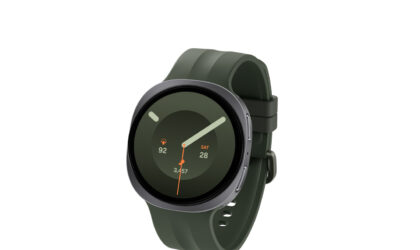
Samsung Galaxy Watch9 (Bluetooth, 40 mm)
The Galaxy Watch9 is the better choice for anyone who prefers the 40 mm case and wants a watch that stays on the wrist all day and night. The 390 mAh battery can mean the difference between charging before bed and trusting the watch to track sleep after a long gym session.
I’d also choose the Watch9 for a three- or four-year ownership cycle. The Snapdragon Wear Elite chip and Wear OS 7 give it more room to handle future updates. Anyone who uses Gemini for quick voice logs during workouts gets extra breathing room too. Buy the Watch9 if battery life and long-term use matter more than new features.
Where the Galaxy Watch8 wins
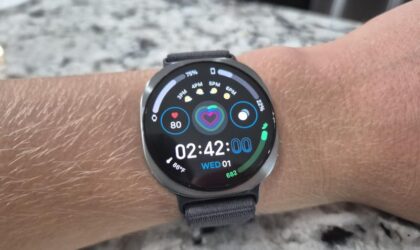
Samsung Galaxy Watch9 (Bluetooth, 40 mm)
For the 44 mm buyer, the Watch8 makes the stronger argument, because that size gained almost nothing on the Watch9 while the price fell over its year on shelves. You get the same 3,000-nit display, the same BioActive sensor, the same 8.6 mm cushion case, and, once One UI 9 rolls out, most of the same health readouts.
A lifter who charges every night anyway and doesn’t chase the newest chip can put the savings toward a fabric band, a screen protector, or a year of a training app. The Watch8 is the value play for someone who wants Samsung’s health depth without paying the freshness tax. Grab it when a solid discount is on the table and you’re fine wearing last year’s model.
My final verdict
My pick for the health-focused lifter is the Galaxy Watch9 in the 40 mm size. The larger battery and newer chip make the upgrade worthwhile for anyone who wears a smartwatch through workouts, recovery tracking, and sleep. The Galaxy Watch8 remains the better value in 44 mm, where Samsung made fewer changes and discounts make the older model easier to recommend.
I’d skip the 44 mm Galaxy Watch9 at full price because the larger case sees few upgrades, while a discounted Galaxy Watch8 offers almost the same everyday experience for less.
Grigor Baklajyan is a copywriter covering technology at Gadget Flow. His contributions include product reviews, buying guides, how-to articles, and more.
