

Under the new system, licensed companies are required to pay a licensing fee equivalent to one national minimum wage, followed by an annual contribution of 1% of revenue from the next fiscal year.
The Government of Mozambique has issued the first licenses to intermediate electronic service providers and digital platform operators, marking a significant milestone in the regulation and formalization of the country’s digital economy.
The licensing ceremony was held in Maputo on June 8, 2026, and represents a key step in implementing the Electronic Transactions Law and its supporting regulations, which establish mechanisms for registration, supervision, and licensing of digital operators.
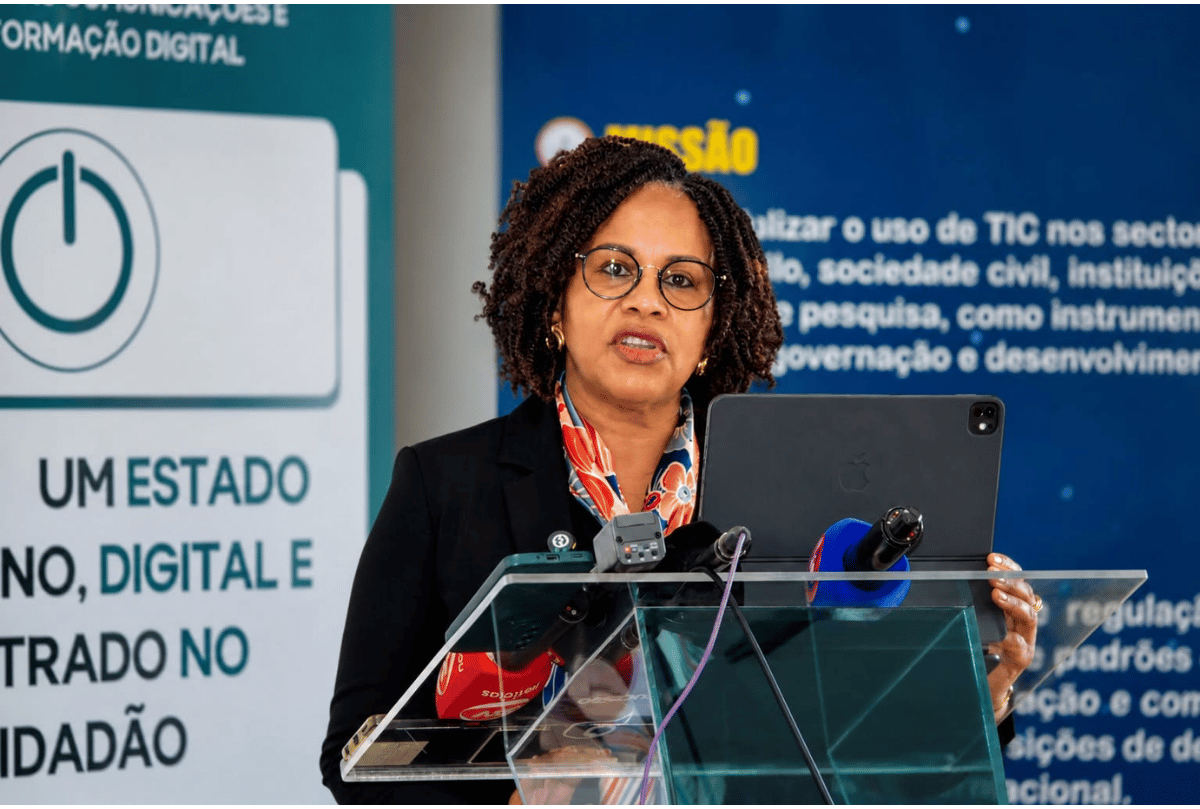
Speaking at the event, the Permanent Secretary of the Ministry of Communications and Digital Transformation, Nilsa Sandra Miquidade, said the issuance of licenses is an important development for strengthening trust, security, and transparency in Mozambique’s digital ecosystem.
She noted that digital transformation remains a major driver of economic growth, innovation, and social inclusion, but emphasized that its success depends on a strong legal and institutional framework that ensures consumer protection, service credibility, and accountability among digital actors.
The President of the Board of Directors of the National Institute of Information and Communication Technologies (INTIC), Lourino Chemane, stated that 19 licenses have been issued so far out of approximately 170 registered companies undergoing evaluation.
He explained that the licensing process involves strict verification of documentation and technical capacity to ensure compliance with regulatory standards, with additional entities expected to be licensed in subsequent phases.
Chemane also announced plans to expand the framework to include new categories of operators such as data centers and cloud computing platforms, in line with recently approved regulatory instruments.
Under the new system, licensed companies are required to pay a licensing fee equivalent to one national minimum wage, followed by an annual contribution of 1% of revenue from the next fiscal year. Authorities said the fee structure was developed through consultations with the private sector to ensure it supports investment rather than discouraging it.
Representatives from digital service providers, including Yango, welcomed the move, describing it as a step toward improving legal certainty, strengthening investor confidence, and supporting the international expansion of digital businesses operating in Mozambique.
The government said the launch of the licensing regime marks the formal beginning of a structured regulatory phase aimed at consolidating the digital economy and improving governance of the country’s rapidly evolving technology sector.
