

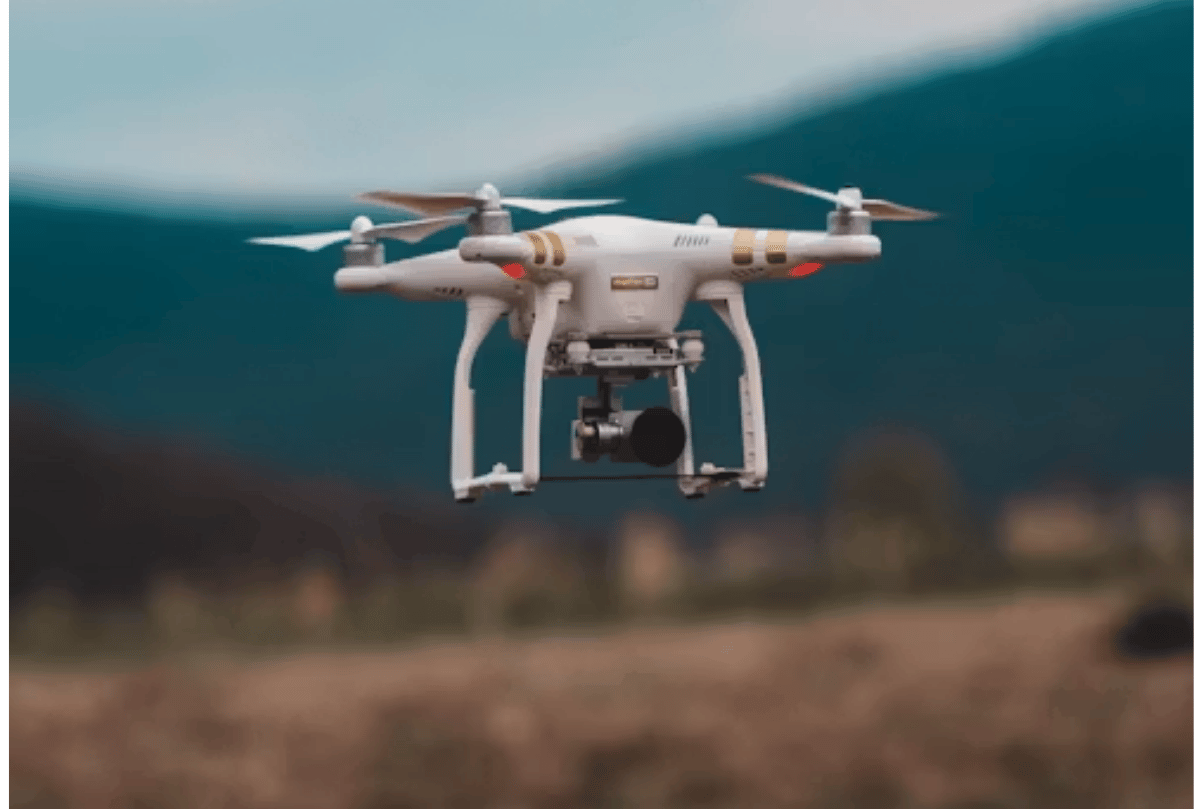
The regulations, dated 1 June 2026, establish the technical and licensing requirements for operating unmanned aircraft radio systems in the country while aligning with the UAE”s telecommunications and civil aviation laws.
The UAE’s Telecommunications and Digital Government Regulatory Authority (TDRA) has released Version 3.0 of its Regulations for Unmanned Aircraft Radio Systems, updating the regulatory framework governing the use of radio frequencies for drones and other unmanned aircraft systems (UAS). The regulations, dated 1 June 2026, establish the technical and licensing requirements for operating unmanned aircraft radio systems in the country while aligning with the UAE’s telecommunications and civil aviation laws.
The updated regulations are issued under the UAE Federal Telecom Law and the Federal Law on regulating the civil use of unmanned aircraft. They provide a comprehensive framework for authorizing radio frequencies used by drones and must be read alongside other TDRA regulations covering spectrum allocation, frequency fees, spectrum monitoring, the national frequency plan, earth stations and aeronautical radio systems.
According to the regulations, unmanned aircraft systems may comprise multiple components, including the aircraft itself, ground control stations, air traffic communication systems, unmanned traffic management platforms, detect-and-avoid systems, payload equipment such as cameras, command-and-control communication links, and weather radar. The framework also recognizes various radio services used by drones, including aeronautical mobile services, mobile satellite services, fixed satellite services, aeronautical mobile satellite services, radiolocation services and mobile broadband technologies.
The TDRA requires all authorized drone operators to comply with the UAE General Civil Aviation Authority’s Civil Aviation Regulations as well as requirements issued by the Ministry of Industry and Advanced Technology. The regulations further stipulate that any data collected through unmanned aircraft must comply with the UAE’s data privacy and data protection framework, reinforcing safeguards around the use of drones for commercial and public-sector applications.
The new framework distinguishes between drone operations that require a Class Authorization and those that require a dedicated UAS Authorization. Class Authorization applies to drones operating within specified frequency bands commonly used for telemetry, payload transmission, model control and short-range communications. The regulations outline numerous approved frequency ranges and technical conditions, including transmission power limits and applicable international standards for safe spectrum use.
For drones using dedicated command-and-control (CNPC) frequencies or operating within aeronautical radio bands, operators must obtain a UAS Authorization from the TDRA. These operations are subject to additional requirements under the Aeronautical Radio Systems Regulations, with specific provisions covering onboard radio equipment, ground control stations and satellite communication links. The authority also noted that applications involving frequencies outside the prescribed bands may be considered on a case-by-case basis.
In addition, the regulations allow unmanned aircraft systems to operate over licensed mobile networks provided by UAE telecommunications operators where appropriate. The TDRA retains sole responsibility for coordinating radio frequencies nationally and internationally, including registration with the International Telecommunication Union (ITU), while applicants are required to support the coordination process. The regulations take effect upon their publication in the UAE Official Gazette.
