

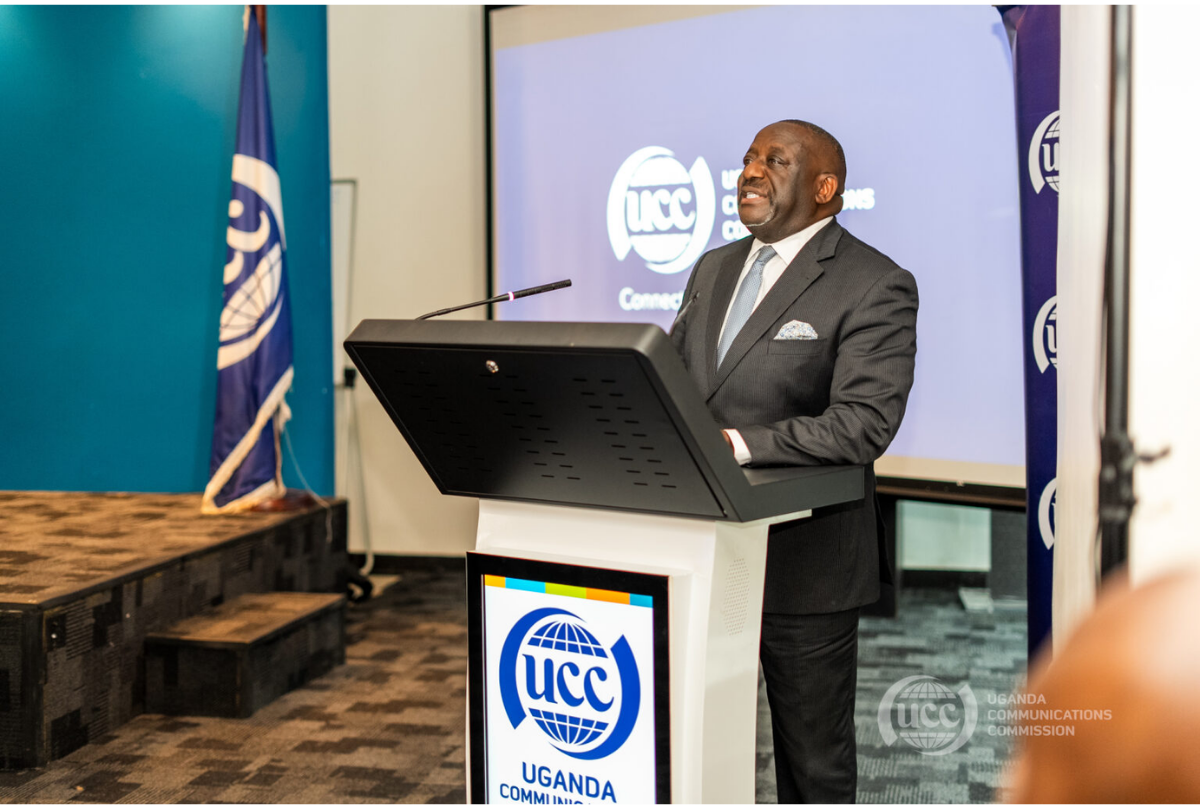
The engagement focused on building a shared understanding of the scale and impact of digital piracy, exploring content-blocking technologies, and laying the groundwork for a national anti-piracy coordination framework to improve enforcement, information sharing, policy coordination and public awareness.
The Uganda Communications Commission (UCC) has convened a high-level stakeholder engagement aimed at strengthening national efforts to combat digital piracy, describing the issue as a growing threat to Uganda’s communications sector, creative economy and digital ecosystem.
Held at UCC House in Kampala, the meeting brought together regulators, broadcasters, telecommunications operators, internet service providers (ISPs), technology companies, copyright holders, law enforcement agencies, traders’ associations and content creators to develop a coordinated national response to online piracy.
Among the participants were representatives from MTN Uganda, Airtel Uganda, Lyca Mobile, the Uganda Revenue Authority (URA), Uganda Registration Services Bureau (URSB), the National Association of Broadcasters (NAB), and other public and private sector organisations.
The engagement focused on building a shared understanding of the scale and impact of digital piracy, exploring content-blocking technologies, and laying the groundwork for a national anti-piracy coordination framework to improve enforcement, information sharing, policy coordination and public awareness.
Opening the meeting, UCC Executive Director Hon. Nyombi Thembo said digital piracy has evolved beyond being a challenge for broadcasters and copyright holders into a national issue requiring collective action. He noted that piracy discourages investment, stifles innovation, distorts fair competition and reduces government revenue.
Thembo also warned that illegal streaming platforms and unauthorised digital applications expose consumers to cybersecurity risks, fraud and identity theft, making piracy not only an intellectual property issue but also a consumer protection and digital security concern. He called on stakeholders to work together to implement practical and enforceable measures that safeguard intellectual property and support Uganda’s digital economy.
Presenting UCC’s assessment of the problem, Dr. Abudu Sallam Waiswa, Head of Litigation, Prosecution and Legal Advisory, said digital piracy affects the entire communications value chain and should not be viewed solely as a challenge facing pay television operators. While acknowledging that some consumers are attracted to illegal streaming services because of their lower cost and that some traders profit from unauthorised streaming devices, he warned that piracy undermines industry sustainability by reducing revenues and discouraging investment.
Dr. Waiswa revealed that legitimate pay television subscriptions have declined significantly in recent years, falling from about 1.65 million in 2021 to approximately 800,000 by March 2026. He said the decline has contributed to lower revenues, organisational restructuring and job losses affecting broadcasters, local content creators, actors, technicians and other professionals across Uganda’s creative industry.
Providing an industry perspective, MultiChoice Uganda Managing Director Hassan Saleh said digital piracy extends beyond illegal television streaming to include software piracy, unauthorised distribution of copyrighted material and other forms of online infringement. He warned that piracy is becoming increasingly normalised as many consumers perceive illegal streaming services and modified devices as acceptable alternatives to legitimate subscription platforms.
Saleh said every illegal stream deprives broadcasters, producers, artists, actors and technicians of income, weakening the country’s creative economy. He also highlighted concerns over declining pay television revenues and the increasing importation of devices used to access premium broadcasting services illegally, calling for stronger collaboration between regulators, telecom operators, ISPs, technology firms and law enforcement agencies.
The engagement also featured a technical presentation from Canal+, where Kiaren Bently introduced Dynamic Internet Protocol (IP) and Domain Name System (DNS) blocking technologies used internationally to restrict access to illegal streaming websites. Participants welcomed the approach while stressing the need to balance effective enforcement with transparency, accountability and the protection of legitimate internet services.
The meeting concluded with stakeholders committing to strengthen cooperation, improve enforcement, expand public awareness campaigns and adopt technology-driven solutions to combat digital piracy and protect Uganda’s communications and creative industries.
