

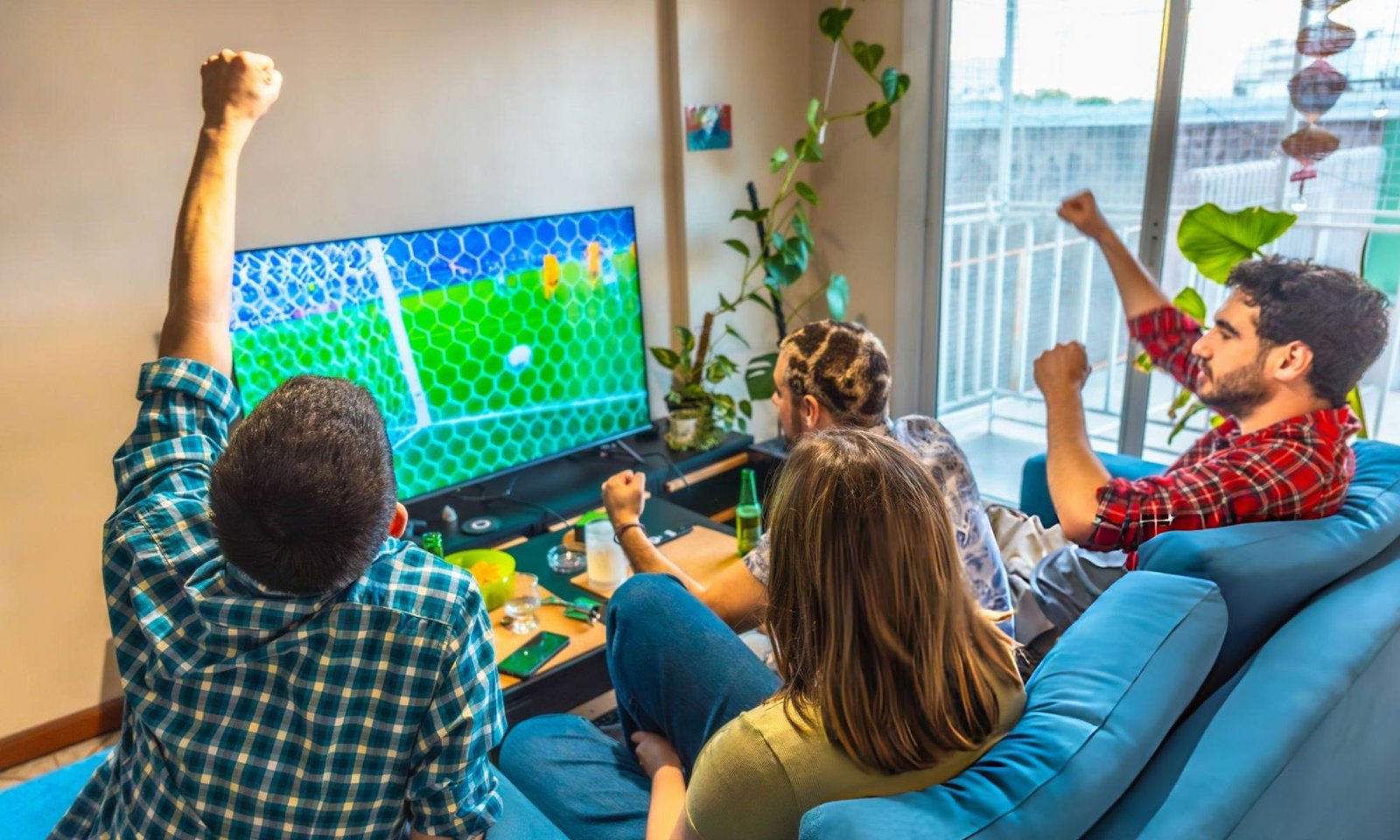
A World Cup on home soil only comes once in a generation, and the matches deserve a screen that does them justice. The USMNT already opened the tournament with a thumping 4-1 win over Paraguay, with Australia and Türkiye up next before the knockouts arrive. As a European, I’ve burned through plenty of weekends glued to fast, frantic football, so I know how much a good panel changes the experience. You still have time before the July 19 final at MetLife to upgrade, and the best World Cup 2026 TV deals make it easier.
What World Cup viewing actually demands
Related: 5 World Cup 2026 tablet deals that make sense for watching matches on the go all summer, and beyond
World Cup viewing puts specific demands on a television, and the priorities differ from what a movie buff or a console gamer would chase. Soccer broadcasts in the United States top out around 60 frames per second, so a 60 Hz panel can technically keep up, though stronger motion processing keeps the blur down when play breaks quickly from one box to the other. Brightness matters more than most buyers expect, because several group-stage matches kick off in the afternoon when sunlight floods the living room. A dim screen washes out in those conditions, while a brighter panel holds the green of the pitch and the white of the shirts.
Screen size sits near the top of the list once you know the room. A watch party with friends crowded onto the couch wants something in the 55 to 65-inch range, while a kitchen or a bedroom overflow screen can stay smaller. Audio deserves a quick mention too, since almost every budget set ships with thin speakers that struggle with crowd noise and commentary. Planning for a modest soundbar saves you the disappointment that fills so many owner reviews.
What can you ignore? An 8K panel offers nothing for a broadcast that never approaches 8K resolution. A 144 Hz refresh rate looks great for PlayStation sessions, yet it adds little for a 60 fps match feed. Ambient art modes and voice assistants are pleasant extras, never reasons to overspend when the football is what pulls you to the screen.
My top picks for the 2026 World Cup
Best for the dedicated match-day fan: TCL 55″ QM7K Series
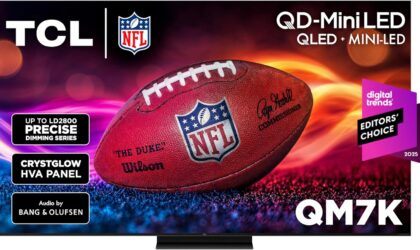
The QM7K is the pick I’d point any serious supporter toward, because its mini-LED panel pairs a 144 Hz refresh rate with up to 2,600 nits of brightness and as many as 2,500 local dimming zones. Fast soccer is where a screen earns its keep, and that combination should render quick counterattacks cleanly while holding deep blacks during night fixtures. The anti-reflective CrystGlow panel also tackles glare, which matters for those sun-soaked afternoon kickoffs. Owner feedback praises the bright-room performance and the capable built-in audio from the rear-mounted speakers.
The remote feels cheap, and the boot-up runs slow, going by repeated owner notes, so temper your expectations there. At $598 in the current deal, down from a typical $688, the QM7K delivers premium motion and brightness without crossing into flagship pricing. Serious match-day viewing has a clear winner, and the TCL QM7K gets my money.
Best big screen for a watch-party host: Insignia 65″ QF Series QLED
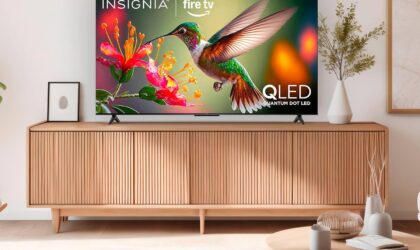
Insignia 65″ QF Series QLED
Hosting friends for the USMNT run wants size above all, and the 65-inch QF Series brings QLED color to a 4K panel for around $300 in the current limited-time deal, down from $500. Quantum-dot color should make the kits and the pitch pop across a screen big enough for a full living room, and Dolby Vision plus a 5.1 Atmos setup rounds out the spec sheet nicely. The Fire TV system keeps streaming apps front and center, which helps when you are scrambling to find the right channel before kickoff.
A few owners flag a sluggish Fire interface, and a handful report units failing after a couple of weeks, so registering the warranty early would be my move. Motion tops out at 60 Hz, fine for a broadcast feed, yet not built for high-frame gaming.
Best contrast for the evening knockouts: Amazon Fire TV 50″ Omni QLED
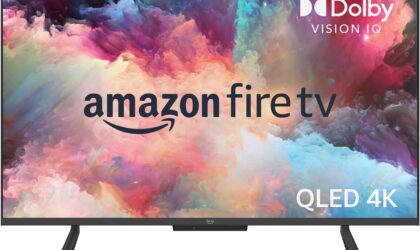
Amazon Fire TV 50″ Omni QLED
Knockout-round drama tends to land at night, and the Omni QLED leans into darker viewing with full-array local dimming across 48 zones plus Dolby Vision IQ. The dimming should deepen shadows during those tense extra-time finishes while the adaptive brightness sensor adjusts to your room automatically. Around $250 in the current deal, down from $470, the 50-inch Omni QLED reads as strong value for a panel with proper local dimming.
The trade-off shows up in owner reports, where a slow interface and occasional reliability hiccups appear more than I would like. A few buyers also describe picture settings getting locked out after installing certain apps, so I’d rely on the built-in software rather than piling on extras. Evening contrast is the Omni QLED’s calling card, which lands it my mid-range nod.
Best for the cord-cutting fan: Samsung 55″ Crystal UHD U8000F
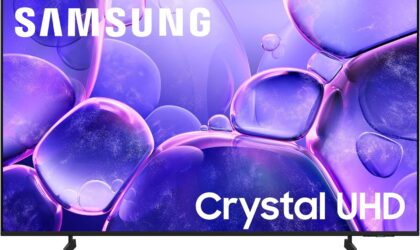
Samsung 55″ Crystal UHD U8000F
Cord-cutters circling the World Cup get a useful bonus from the U8000F, since Samsung TV Plus bundles more than 2,700 free channels, including news, sports, and movie feeds to round out your tournament coverage. The 55-inch 4K panel carries HDR10+ and Samsung’s Motion Xcelerator processing, and owner feedback skews toward praise for the crisp picture and the light, easy-to-mount build.
Setup draws the most complaints, because the screen relies on a phone app and a Samsung account before it fully works. Several buyers also received units with cracked screens, so inspect yours the moment it arrives. Cord-cutters squeeze the most mileage out of the Samsung U8000F and its free channel lineup.
Best value for the casual viewer: Toshiba 50″ C350 Series
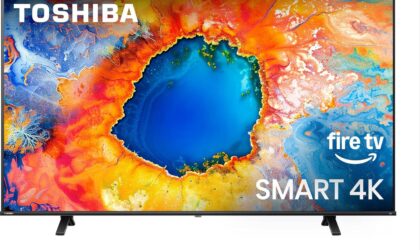
Toshiba 50″ C350 Series
Casual viewers who just want a clean 4K picture without overthinking the purchase land well with the C350. The set includes a dedicated Sports Mode tuned for fast action, plus Game Mode with VRR and ALLM if a console shares the screen between matches. A 50-inch 4K panel at that price represents one of the better value plays on the board right now.
Owner feedback runs positive on picture and value, though a minority report screens going white or black, which is worth monitoring during the return window. The default warm color setting also ships looking yellowish, so a quick trip into the picture menu sets it straight. Budget-minded casual fans can stop looking once they reach the Toshiba C350.
Best second screen for overflow: Hisense 40″ A4 Series
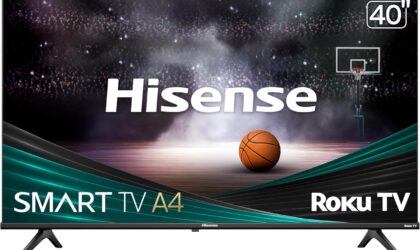
Big matches pull people into the kitchen and the spare room, and a second screen keeps everyone in the action. The 40-inch A4 runs about $150 and pairs with the simple, fast Roku platform that newcomers find easy to navigate. Full HD resolution suffices at that size, and the lightweight build makes wall-mounting a one-person job.
A few owners report the panel quitting after several weeks, along with occasional Bluetooth quirks, so the warranty matters here as well. Motion stays at 60 Hz, perfectly adequate for a broadcast feed in a secondary space. Keeping the kitchen and the spare room on the action comes down to the Hisense A4.
What to skip
Plenty of fans talk themselves into a mistake or two while shopping, so let me steer you clear. Skip the 8K sets, since no World Cup broadcast comes close to that resolution, and you’d pay a heavy premium for pixels you cannot use. Avoid the temptation of a 720p bargain like a 32-inch panel for your main room, because the pitch detail and the scoreboard text suffer at that resolution on a big wall.
Resist buying refurbished or open-box units sight unseen, as owner reviews are littered with damaged screens and missing parts from poorly packed returns. One more trap catches many buyers, the tinny built-in speakers on budget sets, so budget a small soundbar rather than suffering through muffled commentary during the biggest goals of the summer.
Quick-start advice
Measure your wall or console before you commit, then match the screen size to how far back the couch sits. Check the delivery estimate against the match calendar too, because a few of the deals above ship after the group-stage dates, and you don’t want a blank wall when the USMNT faces Australia on June 19. Order early, plan for a soundbar, and you’ll be set well before the July 19 final at MetLife.
